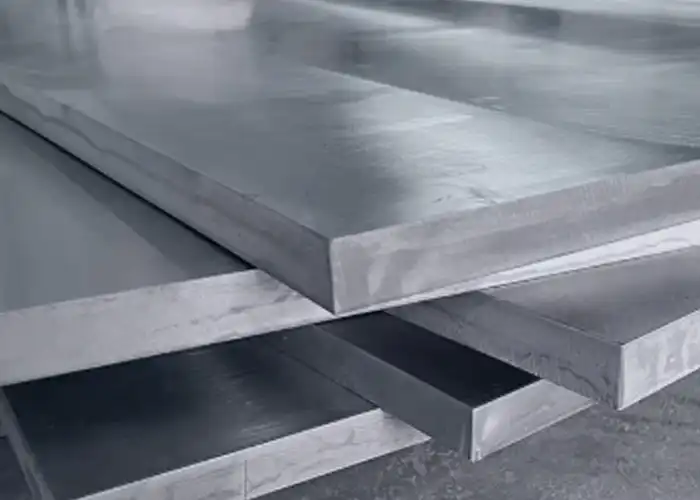
Hastelloy C276 is a nickel-molybdenum-chromium alloy with strong resistance to a broad range of corrosive environments. This material finds extensive usage in chemical processing, pollution control, and petrochemical and pharmaceutical companies. These rough industries need metals that can withstand frequent exposure to harsh chemicals.
According to the real operation condition, the correct Hastelloy C276 Plate should be selected. Specifying the alloy by grade name alone is not sufficient for material selection. Before ordering, engineers will need to consider the exact chemicals, temperatures, and physical conditions in the factory.
What Is Hastelloy C276 Plate?
Hastelloy C276 contains high amounts of nickel, molybdenum, and chromium. It also has a small addition of tungsten. The material designation is UNS N10276. This specific composition gives the metal high structural stability.
UNS N10276 Plates handle localized corrosion very well. Pitting and crevice corrosion destroy standard steel in stagnant chemical zones. This alloy resists those attacks under suitable conditions.
Mills produce these plates in different thicknesses, dimensions, and surface finishes. Plate thickness is selected according to pressure, structural loads, corrosion allowance and fabrication requirements. Thinner plate may be used for certain fabricated components or lining applications, while heavier plate may be required for pressure-containing structures.
Key Properties of Hastelloy Alloy C276 Plate
A Hastelloy Alloy C276 Plate brings several specific properties to industrial applications:
- It is extremely resistant to a broad range of corrosive substances. These include extremely reactive fluids such as wet chlorine gas and hypochlorite.
- The material is resistant to pitting and crevice corrosion.
- Another property is resistance to stress corrosion cracking under suitable settings. Though chlorides usually cause cracking in stainless steels, the significant nickel concentration here prevents that.
- The plate has good mechanical strength and physical toughness. It’s also structurally quite robust and won’t deform under strain.
- It retains good performance in harsh temperature ranges.
- Fabricators have experienced good weldability with proper methods. The low carbon concentration is beneficial to prevent the grain boundary precipitation during shop welding.
- Compared with many standard alloys, it offers resistance to oxidizing and reducing conditions.
Factors to Consider When Selecting Alloy C276 Plates
1. Operating Environment
First, specify the acids, chlorides, compounds, and other solvent combinations that is used in the plate. Engineers must set the correct temperature, pressure, concentration levels, and overall exposure time. The damage due to corrosion is critical even in the presence of minor levels of impurities or pollutants. A minor number of ferric or cupric ions modify the way the acid acts on the metal. When metal is made in batches, it can get a lot of different flaws. As processing goes on, the level of exposure stays the same.
2. Temperature and Pressure
Plate thickness and grade appropriateness will be dictated by the internal pressure and mechanical stresses. The corrosion behavior is strongly influenced by temperature and the concentration of the chemicals. A chemical environment that is relatively mild at room temperature can become substantially more aggressive as temperature and concentration increase.
3. Plate Thickness and Dimensions
Thickness choice according to structural loads & pressure. This option depends both on the fabrication needs and the specific corrosion allowance. Plants add extra millimetres of thickness to make up for sluggish material loss over decades. Verify needed length, width, and dimensional tolerances. Ensure that you are completely compatible with the shop’s fabrication and installation standards.
4. Fabrication and Welding
Consider cutting, forming, machining and welding requirements. The material work-hardens during machining. Machinists need slow speeds and heavy feeds to cut it. Use suitable welding procedures and filler materials recommended for the alloy. Account for heat input and fabrication practices that can affect material performance. Too much heat during welding reduces the localized corrosion resistance of the metal.
Applications of High Strength Hastelloy C276 Plates
Industrial facilities use these plates for specific containment and processing tasks.
- Chemical processing equipment requires this metal to handle mixed acids safely.
- Reactors and process vessels use the heavy plates to hold pressurized chemicals.
- Heat exchangers use the metal for internal tube sheets and shell bodies.
- Scrubbers and flue-gas treatment systems install High Strength Hastelloy C276 Plates to handle wet sulfur dioxide.
- Pollution-control equipment relies on it to manage harsh acidic condensates.
- Petrochemical processing equipment uses the alloy for sour gas containment.
- Pharmaceutical processing equipment requires it for handling severe sterilization chemicals.
- Acid handling systems transport raw hydrochloric and sulfuric acids with this material.
- Wastewater and industrial treatment equipment use it to survive highly toxic effluents.
Quality Checks Before Buying Hastelloy C276 Plates
Procurement teams must demand specific inspections before accepting material on site.
- Chemical composition verification confirms the metal matches the standard.
- Positive Material Identification (PMI) is done on the shop floor to verify the alloy type.
- Tensile and mechanical testing confirm the physical yield strength.
- Hardness testing is done where specified by the project engineer.
- Dimensional and thickness inspection ensures the plate fits the rolling machines.
- Surface quality inspection looks for gouges, deep scratches, or rolling defects.
- Non-destructive testing is used where required to find internal lamination defects.
- Mill heat-treatment records must be examined.
- The Material Test Certificate (MTC) is the certified certification of quality.
- The heat number traceability connects the actual plate with the MTC.
How to Choose a Reliable Hastelloy C276 Plate Supplier
Choose a provider with an established record of working with nickel alloys and one that can supply the required sizes, thicknesses and specifications. B2B suppliers such as AB Steel can be considered when sourcing Hastelloy C276 plates, subject to the required grade, dimensions, certification and inspection requirements. Check the supplier’s material test results and inspection capabilities before placing an order. In industrial applications, it is strongly needed that batch traceability is full. You also need to look at their handling processes so that the alloys are not contaminated by carbon steel stringing or banding during shipping (logistics phase). Lastly select a provider who is on time and can deliver project specs and give good technical assistance when working in hard chemical circumstances.
Conclusion
Evaluation of corrosion conditions, temperature, pressure, size, fabrication requirements, and applicable regulations is necessary for plant safety. The excellent corrosion resistance and mechanical properties of C276 are appropriate for demanding industrial applications. The final material selection should be based upon the actual conditions of the process and the pertinent parameters. If you guess about the material grade, the equipment will break quickly and create serious safety hazards.
Tags : Hastelloy C276 Plate