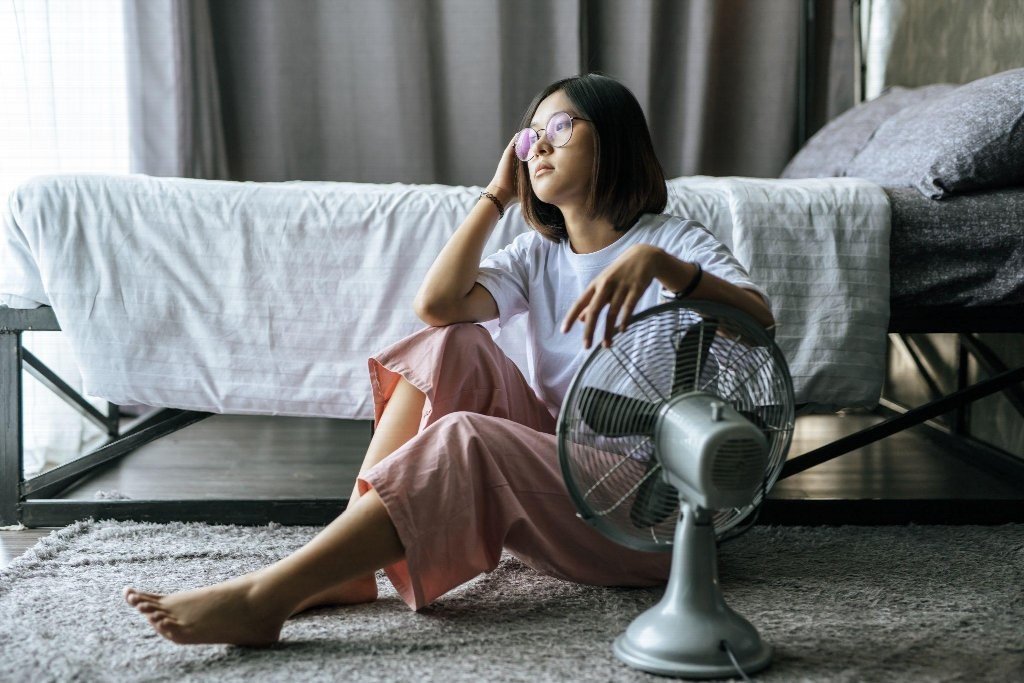
A hot July afternoon can make your AC feel like the hardest-working appliance in the house. Then the power bill shows up. Ouch. The upside is that you can reduce AC costs, lower air conditioning bills, and save money on AC without turning your living room into a sauna. A few practical changes go a long way.
Switching to high-efficiency air conditioners and taking other actions to keep your home cool could reduce energy use for air conditioning by 20% to 50%.
Top Strategies to Reduce AC Costs and Lower Air Conditioning Bills This Summer
The quickest wins usually come from two places: how you run your system and how well your home holds onto cooled air. Start with your thermostat, then look at airflow, leaks, insulation, and the overall health of your equipment.
Fine-Tune Your Thermostat Without Feeling Miserable
Your thermostat is the first place to look if your summer bills are creeping up. You do not need to make the house uncomfortable. Just nudge the temperature a little higher when nobody is home, then cool things down closer to the times your family actually uses the space.
A programmable or WiFi thermostat makes this easier because it works around your real routine. Forgot to adjust the AC before heading to the grocery store or a meeting? No problem. You can change it from your phone and avoid paying to cool an empty house.
Keep Maintenance Simple, but Don’t Skip It
Poulsbo, WA, has that pleasant coastal feel, but summer can still bring humid days, warm afternoons, pollen, and indoor stuffiness. Homes near Liberty Bay may also deal with salt air, damp crawl spaces, and extra moisture that can affect comfort and airflow.
A clean filter and a properly tuned system can make a noticeable difference. Better airflow means your AC does not have to strain as much, and less strain usually means less wasted energy. If your system starts making strange sounds, short-cycling, or leaving some rooms warmer than others, scheduling AC repair services in Poulsbo, WA can help catch the issue before it turns into higher bills or a bigger repair.
Seal the Places Your Money Escapes
Cool air has a sneaky way of slipping out through small gaps. Check around attic hatches, older windows, exterior doors, baseboards, and duct joints. Weatherstripping and caulk are not exactly thrilling weekend plans, I know. But they are inexpensive and often surprisingly effective.
Once you seal obvious leaks and improve insulation where needed, your home can hold cool air longer. That means the AC runs less often. From there, daily habits can help lower air conditioning bills even more.
Smart Ways to Cut AC Usage Without Sacrificing Comfort
You do not have to cool every corner of the house at full blast all day. Fans, shade, and room-by-room strategies can help you stay comfortable while reducing runtime.
Compare Your Cooling Options Before Spending
These are practical summer energy-saving tips because they do not require a remodel or a huge budget. Something as simple as closing blinds before the afternoon sun hits and running a ceiling fan in the room you are using can make the space feel much better.
Use Smart Controls and Energy Tracking
Smart controls can show you patterns you might otherwise miss. Maybe the AC runs hard during late afternoon sun. Maybe one old window unit is quietly driving up the bill. Homes with high heating and cooling bills, as well as homes that are unoccupied for much of the day, can save approximately $100 a year with an ENERGY STAR certified smart thermostat.
A plug-in energy monitor can also help you spot power-hungry devices like dehumidifiers, older fans, or portable AC units. Gadgets are useful, but your routines matter just as much.
Lifestyle Habits That Help Save Money on AC All Summer Long
Smart technology works best when your daily habits back it up. Small choices, repeated often, can cut down how frequently your AC kicks on.
Manage Windows, Doors, and Shade
Close blinds or curtains on the sunniest side of your home during peak heat. If one room stays cooler than the rest, make it your summer hangout spot instead of trying to cool bedrooms, hallways, and spare rooms equally.
Window film can also help in rooms that get blasted with direct sun. It may seem like a minor fix, but keeping heat out in the first place is easier than paying your AC to remove it later.
Cut Indoor Heat Before it Builds
Your home can heat up from the inside, too. Cooking, laundry, dishwashing, and old light bulbs all add warmth. On hot days, use the grill, microwave, air fryer, or slow cooker when you can. Run the dishwasher and laundry later in the evening, when the house is naturally easier to cool.
LED bulbs help because they produce less heat than older lighting. If you are wondering how to cut AC expenses, ask yourself a simple question: “What am I doing inside that is making the AC work harder?”
Match Cooling to Family Routines
If everyone gathers downstairs after dinner, there is no reason to cool every upstairs room just as aggressively. Close doors to unused rooms if your system allows it, but be careful about blocking vents. Some systems do not handle pressure changes well.
The goal is simple: cool the areas people are actually using. Empty rooms do not need premium comfort. If your bills keep climbing even after smarter usage, your system may need attention.
Advanced AC Maintenance and Cost-Smart Repairs
Good habits help, but a struggling AC can still waste energy. Dirty coils, weak components, low airflow, and electrical issues can all make your system run longer than it should.
Signs Your AC Needs Attention Soon
Watch for warm air from vents, uneven temperatures, frequent starts and stops, or an AC that runs forever without really catching up. Indoor humidity that suddenly feels worse can also be a warning sign.
A sharp bill increase is worth investigating, especially if your habits have not changed. Small problems are usually easier and cheaper to handle before they become emergency repairs.
Consider a Seasonal Maintenance Plan
A seasonal maintenance visit often includes filter checks, coil cleaning, refrigerant checks, electrical inspection, and thermostat testing. Not glamorous, true. But it helps keep the system from drifting into inefficient operation.
Regular service also gives you a clearer picture of what may need repair later. That way, you are not making rushed decisions during the first hot weekend of the season.
Check Rebates Before Replacing Equipment
Before replacing your AC, look at local utility programs, state energy resources, and manufacturer rebate offers. High-efficiency air conditioners, heat pumps, and smart thermostats may qualify for savings at different times.
Do not shop by sticker price alone. Think about comfort, repair history, expected energy use, and how long you plan to stay in the home.
Quick-Start Checklist Before the Next Heatwave
You now have plenty of ways to reduce AC costs without making your home uncomfortable. Before the next warm stretch rolls in, use this quick list.
Do These Today
Check or replace the air filter. Close blinds on sunny windows. Raise the thermostat slightly when you leave. Turn on ceiling fans in occupied rooms. Make sure vents are not blocked by rugs, furniture, or curtains.
Then take a quick walk around your windows and doors. If you feel warm air sneaking in, seal it before the next heatwave.
Do These This Month
Schedule a tune-up if your system has not been serviced recently. Review your electric bills and compare usage on hot days. Decide whether a smart thermostat, added insulation, or simple air sealing makes sense.
These steps help save money on AC now while making the rest of summer more comfortable. And yes, a few questions come up all the time.
Final Thoughts on Staying Cool for Less
Summer comfort does not have to come with a painful power bill. Adjust your thermostat, block heat early, keep filters clean, seal leaks, and deal with AC problems before they waste more energy. Poulsbo homes can stay cool with realistic choices that fit everyday life.
Start with one habit, one room, or one repair. Small moves add up, and your next bill may finally bring better news.
Common Questions About Lowering Summer Cooling Costs
Is 77 a Good Temperature for AC in Summer?
Yes, 77 can be a good setting for many homes, especially when ceiling fans are running. If it still feels too warm, check humidity, airflow, and sunlight before dropping the thermostat several degrees.
Is it Cheaper to Keep My AC on or Turn it Off?
It is usually cheaper to raise the setting when you are away instead of cooling an empty home. Turning it off completely may work for short trips, but long heat buildup can make the house uncomfortable and slow to cool later.
Do Ceiling Fans Help Make My AC Run More Efficiently?
Yes, if you use them correctly. Fans help people feel cooler, so you can often set the thermostat a little higher. Just remember that fans cool people, not rooms, so turn them off when you leave.
Tags : .....