Choosing the right floor for your home is not as simple as picking a color you like. Every room has its own needs. A kitchen deals with spills and heat. A bedroom needs comfort underfoot. A bathroom deals with constant moisture. If you match the wrong material to the wrong space, you end up spending more money later on repairs or full replacements. This guide walks you through how to choose the best flooring for each room in your home, based on daily use, moisture levels, foot traffic, and style.
Why Room-by-Room Flooring Choices Matter
Not every surface material works everywhere in a home. Wood looks beautiful in a living room but can warp in a bathroom. Tiles feel cool and clean in a kitchen but might feel too cold in a bedroom. Homeowners often make the mistake of picking one flooring type for the entire house because it looks uniform, but this can shorten the lifespan of the material and increase maintenance costs. When it comes to flooring Dubai homeowners choose, thinking room by room helps you balance durability, comfort, water resistance, and budget in a smarter way.
Living Room: Balance Style and Durability
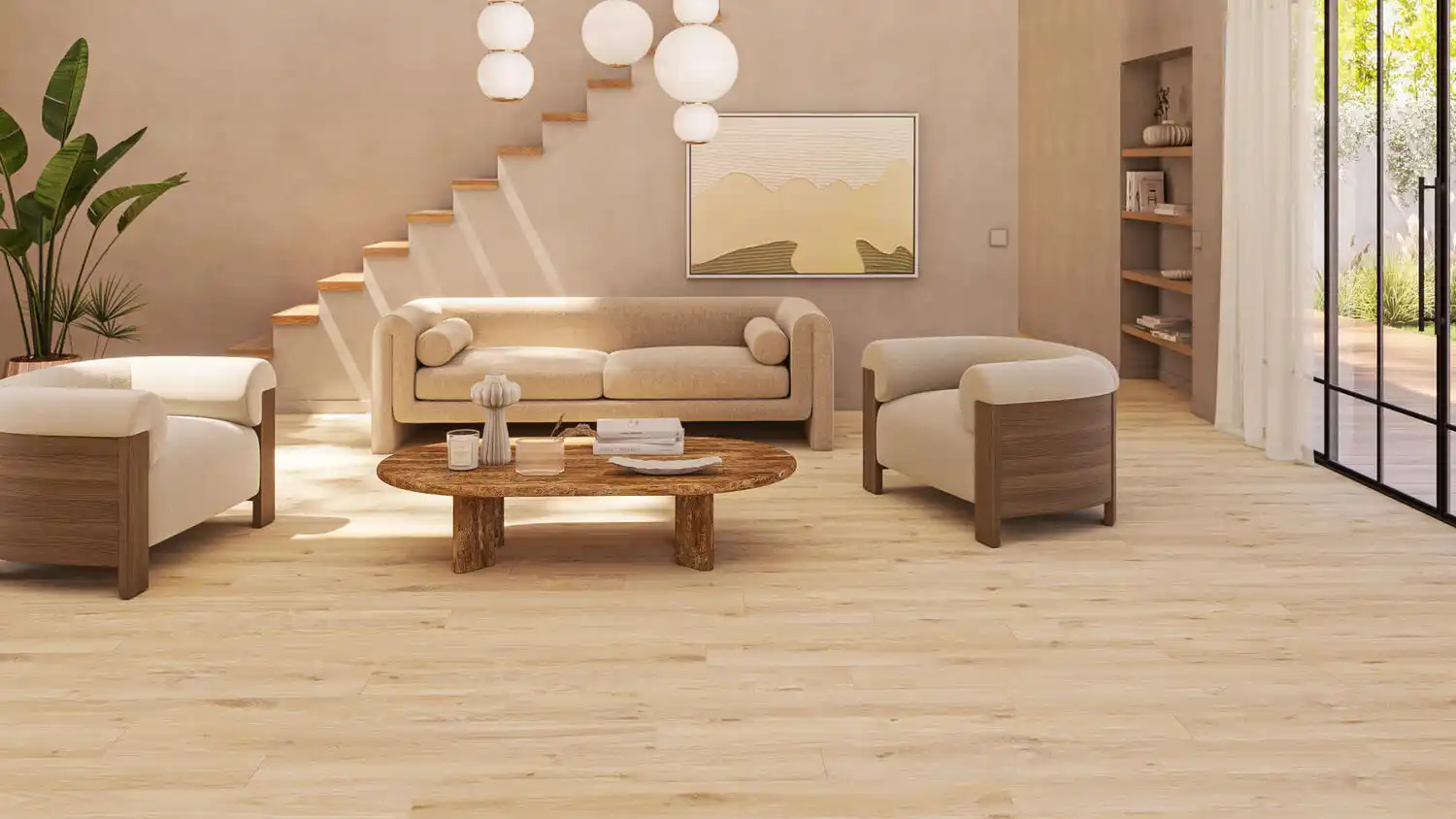
The living room usually gets the most foot traffic in the house, so durability matters as much as looks. Engineered wood, laminate, and luxury vinyl planks are popular choices because they combine a warm, natural appearance with strong resistance to scratches and daily wear. If you host guests often or have kids running around, a scratch-resistant surface with a protective wear layer will save you from early replacement. For a softer, cozier feel, some homeowners add area rugs over hard flooring instead of full carpet, which gives flexibility to change the look over time.
Kitchen: Prioritize Water and Heat Resistance
Kitchens deal with spilled liquids, dropped pans, grease, and heat from cooking, so water-resistant and heat-tolerant materials work best here. Porcelain tiles and vinyl flooring are strong choices because they resist stains, don't absorb moisture, and are easy to wipe clean. Vinyl also has a slight cushioning effect, which is easier on your feet and back if you spend a lot of time standing while cooking. Avoid solid hardwood in kitchens unless it has a sealed, waterproof finish, since standing water can cause swelling and long-term damage.
Bathroom: Waterproof Flooring Is a Must
Bathrooms are the most moisture-heavy rooms in any home, so waterproof flooring is non-negotiable. Porcelain and ceramic tiles remain the top choice because they handle constant humidity, water splashes, and frequent cleaning without damage. Waterproof vinyl flooring is another excellent alternative, especially for homeowners who want a warmer feel underfoot compared to cold tile. Whatever material you pick, make sure it has slip-resistant texture, since bathroom floors get wet often and safety should always come before appearance.
Bedroom: Focus on Comfort and Warmth
Bedrooms are all about relaxation, so comfort underfoot matters more than heavy-duty durability. Carpet remains a favorite here because it feels soft, muffles sound, and adds warmth, especially during cooler months. If you prefer a hard surface for easier allergy control, engineered wood or laminate paired with a soft rug near the bed gives you the best of both worlds. Avoid overly cold materials like plain tile in bedrooms unless you plan to use rugs, since walking on a cold floor first thing in the morning isn't the most pleasant experience.
Home Office: Think About Noise and Static
A home office needs a floor that supports a chair with wheels and doesn't create too much noise during calls or meetings. Low-pile carpet tiles or vinyl flooring with a cushioned backing both work well, since they reduce echo and handle rolling office chairs without denting easily. If you go with a hard surface, a chair mat can help protect the floor from scuff marks and wear over time.
Outdoor Spaces and Balconies: Weather-Resistant Materials
Outdoor areas like balconies, terraces, and gardens face sun exposure, rain, and temperature changes, so the flooring here needs to resist fading, cracking, and moisture damage. Outdoor-rated tiles, weather-resistant decking, and UV-treated composite materials hold up much better than indoor flooring types when exposed to direct sunlight for long hours. Textured, slip-resistant finishes are also important for safety when these surfaces get wet.
Key Factors to Compare Before You Decide
- Moisture exposure: bathrooms and kitchens need waterproof or water-resistant materials
- Foot traffic: hallways and living rooms need scratch-resistant, hard-wearing surfaces
- Comfort: bedrooms benefit from softer, warmer materials underfoot
- Maintenance: consider how often you're willing to clean, seal, or reseal a surface
- Budget: balance upfront installation cost against long-term durability and replacement cost
Final Thoughts
There's no single flooring material that works perfectly in every room. The smartest approach is to match each space to its own daily demands, whether that's water resistance in a bathroom, comfort in a bedroom, or durability in a busy living room. Taking the time to plan room by room instead of choosing one material for the whole house will give you a home that looks great and holds up well for years to come.