How to Maintain Your Dust Collector Filter Cartridge for Maximum Efficiency
By Anthony Rill 23-03-2026 86
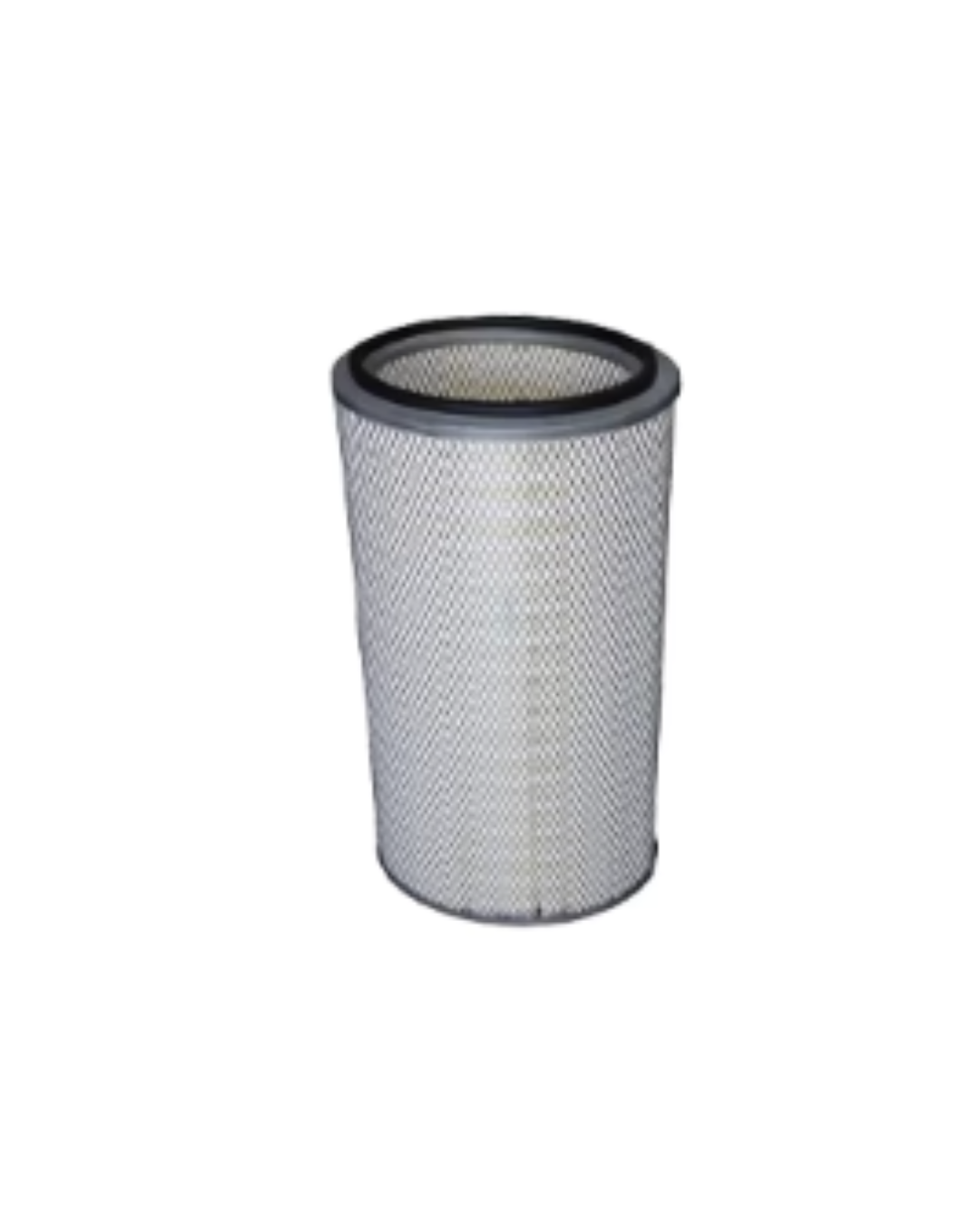
In artificial operations, maintaining a clean and effective workspace is critical not only for product quality but also for worker safety and outfit life. A crucial element in achieving this is a dust collector sludge cartridge, which captures dust, debris, and other airborne patches from artificial processes. Proper conservation of these pollutants ensures maximum effectiveness, reduces time-out, and extends the life of your filtration system.
In this blog, we’ll explore practical tips for maintaining dust collector filter cartridge and punctuate how they integrate with systems similar as cutting oil painting filtration systems to maintain optimal performance.
Understanding the significance of Dust Collector Filter Charges
A dust collector sludge cartridge is an essential part of artificial dust collection systems. It captures airborne patches generated during manufacturing processes, precluding them from spreading into the workspace and causing safety hazards.
Without proper conservation, dust collector sludge charges can come congested or damaged, reducing tailwind and filtration effectiveness. This not only increases energy consumption but also puts gratuitous stress on outfit, potentially leading to system failures.
Signs That Your Filter Cartridge Needs Attention
relating problems beforehand is pivotal for effective conservation. Then are common signs that a dust collector sludge cartridge requires examination or relief
Reduced Tailwind A conspicuous drop in tailwind can indicate clogged sludge media.
Increased Pressure Drop Monitoring pressure drop across the sludge helps descry blockages.
Visible Dust Leakage Dust escaping into the workspace signals sludge inefficiency.
Frequent drawing or relief If your sludge requires further frequent attention than usual, it may be time for a conservation review.
Regular monitoring helps help expensive time-out and ensures the system continues operating at peak effectiveness.
Steps to Maintain Your Dust Collector Filter Cartridge
Maintaining a dust collector sludge cartridge involves routine cleaning, examination, and careful running. Follow these way for maximum effectiveness
1. Regular drawing
Dust collector charges should be gutted regularly to help flyspeck buildup.
drawing styles include
Shaking or Tapping Some systems have homemade shake-down styles to dislodge dust from the sludge face.
Compressed Air drawing Using compressed air can remove trapped dust without damaging the sludge media.
Rear palpitation drawing numerous artificial systems use palpitation spurt technology to clean pollutants automatically.
Always follow manufacturer guidelines to avoid damaging the sludge material during cleaning.
2. Examination for Wear and Tear
Indeed with proper cleaning, sludge charges degrade over time. check the sludge for
Gashes or perforations in the media
Damaged end caps or gaskets
Signs of chemical or heat damage
Replacing damaged charges instantly helps maintain filtration effectiveness and protects downstream outfit, including cutting oil painting filtration systems that calculate on clean particulate-free surroundings.
3. Monitor System Performance
Regularly check system parameters similar as tailwind, pressure drop, and dust attention. This data can indicate when the dust collector sludge cartridge needs servicing or relief. numerous ultramodern dust collection systems feature erected- in monitoring for real- time feedback.
4. Proper running and Installation
When installing or removing sludge charges, handle them precisely to avoid damage. insure proper seating of the sludge to help air bypass, which can reduce system effectiveness. Misaligned charges frequently lead to unseasonable wear and tear and impurity in critical areas.
Integrating Dust Collector Filter Charges with Cutting oil painting Filtration Systems
numerous artificial operations, especially metalworking, use cutting oil filtration systems to remove essence patches and pollutants from lubricants. These systems work in tandem with dust collection units to maintain a clean terrain and helpcross-contamination.
Proper conservation of dust collector sludge charges complements cutting oil painting filtration by
Reducing Airborne Contamination Clean air prevents essence slices and oil painting mist from settling on ministry or product shells.
guarding Filtration Equipment By landing larger dust patches, the dust collector sludge cartridge reduces the cargo on cutting oil painting filtration systems, extending their lifetime.
Maintaining Product Quality Minimizing impurity ensures that cutting canvases remain effective, supporting perfection machining processes.
Integrating these systems with well- maintained pollutants ensures comprehensive artificial cleanliness and effectiveness.
Tips for Extending Filter Cartridge Life
Maximizing the lifetime of your dust collector sludge cartridge saves plutocrat and reduces environmental impact. Consider these tips
Pre-Filtration Usingpre-filters can capture larger debris, reducing strain on the main cartridge.
Environmental Control Keep the workspace and filtration casing free of inordinate humidity and chemical exposure, which can degrade sludge media.
slated conservation Develop a routine conservation schedule grounded on system operation and dust cargo.
Quality relief Pollutants Use high- quality charges designed for your specific system to insure optimal performance.
By following these practices, artificial drivers can achieve harmonious tailwind, reduce energy consumption, and maintain clean and safe work surroundings.
Common miscalculations to Avoid
To insure effective conservation of dust collector sludge charges, avoid these common miscalculations
Neglecting Regular examinations staying until a problem arises frequently leads to expensive time-out.
Using Improper drawing ways Aggressive cleaning can damage the sludge media and reduce effectiveness.
Ignoring System Performance Metrics Pressure drop and tailwind should be covered continuously to catch issues beforehand.
Mixing Filter Types Using inharmonious pollutants can compromise filtration performance and outfit protection.
Being visionary in conservation ensures that dust collector systems and associated cutting oil painting filtration systems continue to serve at peak effectiveness.
Conclusion
A dust collector sludge cartridge is a critical element for maintaining clean and effective artificial operations. Proper conservation not only maximizes its filtration effectiveness but also reduces time-out, prevents outfit damage, and supports reciprocal systems similar as cutting oil painting filtration systems.
By following a structured approach to cleaning, examination, and monitoring, businesses can extend the lifetime of their pollutants, enhance air quality, and cover the integrity of their operations. Investing time and trouble into regular conservation ensures long- term savings, functional trustability, and a safer working terrain.
Maintaining your dust collector sludge cartridge is further than routine keep it’s a strategic move toward functional excellence and effectiveness.