Finger joint pine plywood has earned a strong reputation for combining efficient use of timber with consistent appearance and reliable performance. Whether for cabinetry, interior paneling, furniture frames, or decorative elements, it offers a blend of stability and aesthetic appeal that many other engineered woods struggle to match. However, not all finger joint pine plywood is produced to the same standard. Knowing how to distinguish premium panels from lower‑grade options can prevent warping, delamination, and uneven finishes later on. Careful inspection before purchasing is one of the simplest ways to avoid extra work and costly mistakes.
Below is a detailed guide on the features, construction techniques, and quality indicators that define top‑tier finger joint pine plywood.
Understanding What Makes Finger Joint Pine Plywood Unique
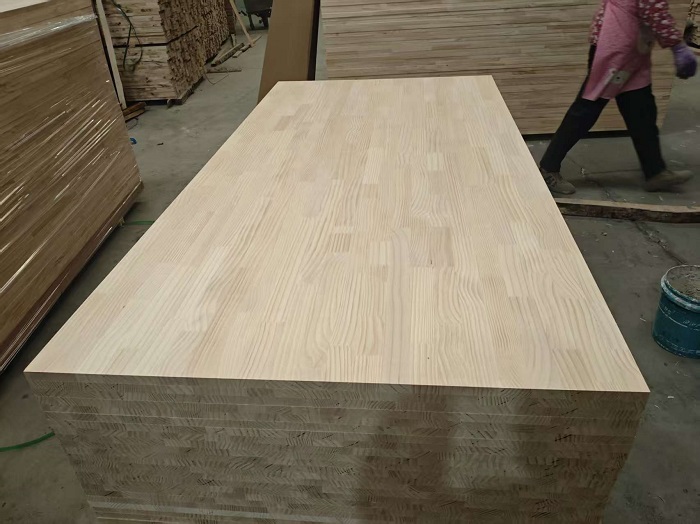
Finger joint pine plywood is made by joining short pieces of pine using interlocking “fingers” cut into the ends of each segment. Adhesive bonds these fingers together, producing long, straight lengths of lumber with predictable dimensions. These pieces are then used as veneers or cores within a plywood panel.
Several advantages stem from this method:
Better stability compared to solid pine boards.
Fewer knots, cracks, and natural defects.
Efficient use of small wood offcuts.
Consistent grain patterns for uniform finishing.
These advantages only hold true when the joints and veneers are manufactured with precision. Poorly executed finger joints or subpar adhesives weaken the overall panel, making inspection essential.
Start With the Overall Flatness and Straightness
Premium plywood should lie flat without noticeable bowing, cupping, or twisting. Place the sheet on a level surface or stack and check all four corners. Irregularities at this step are difficult to correct later and often indicate internal tension or poor manufacturing processes.
Key things to observe:
All edges should make even contact with a flat surface.
No excessive spring‑back when the sheet is lifted.
Minimal flexing in the center of the panel.
If a sheet shows obvious distortion, the veneers may have been unevenly dried or pressed. High‑quality panels use well‑calibrated presses and properly conditioned veneers, resulting in greater dimensional stability.
Check the Finger Joint Quality
The finger joints are one of the most important indicators of craftsmanship. Their precision affects the surface appearance and structural integrity.
Look for:
Clean, sharp finger profiles with minimal gaps.
Tight bonding with no visible adhesive failures.
Consistency in joint spacing and size across the sheet.
Poor joints often appear with small voids, glue starvation, or raised edges. When sanded or finished, these imperfections can telegraph through the coating or cause uneven absorption of stain. A premium panel has joints that feel almost seamless to the touch.
Inspect the Surface Veneers
Finger joint pine plywood is valued partly for its finish‑friendly surface. The face veneer should be smooth, even in color, and free from manufacturing flaws.
High‑quality surface characteristics include:
Minimal patches or repairs.
No veneer overlap or telegraphic lines from the core.
Gentle, consistent grain without sudden changes in direction.
Smooth sanding with no deep lines from heavy factory grit.
Run your hand across the sheet. It should feel even, without noticeable ridges or dips. Premium panels also use higher‑grade pine veneers with fewer knots. Small, tight, well‑filled knots are acceptable, but loose or dark knots often indicate a lower grade.
Assess the Core Construction
While the face veneer is the most visible part, the internal structure is equally critical. Carefully examine the panel edges to evaluate the core.
Signs of a premium core include:
Uniform veneer thickness with no missing patches.
Tight bonding between layers.
Absence of large voids or empty pockets.
Smooth layer transitions without splitting or misalignment.
The edge should show even layering, with the adhesive lines appearing consistent and continuous. Gaps inside the core reduce strength and can cause warping or uneven fastening.
Examine the Adhesive Quality
The durability of any plywood depends heavily on the resin used during manufacturing. Although internal adhesive type is not always labeled on the surface, suppliers often mark panels with codes indicating the glue quality.
Common adhesive grades include:
Interior‑grade (suitable for dry indoor use)
Moisture‑resistant (MR)
Water‑boil‑proof (WBP) for higher moisture exposure
Premium finger joint pine plywood intended for cabinetry or decorative use typically uses moisture‑resistant adhesives to guard against occasional humidity and temperature variations. If the application involves even more moisture—such as bathrooms or sheltered outdoor structures—upgrading to a WBP‑bonded sheet is worth considering.
Look for Consistent Color and Grain Matching
Because finger jointed sections are combined from multiple smaller pieces, color and grain consistency is a useful way to judge material quality. Skilled manufacturers take time to match segments so the finished panel looks harmonious.
A premium sheet shows:
Even color tone across its width and length.
Grain patterns that blend naturally rather than abruptly shifting.
No high‑contrast planks that stand out visually.
Panels with noticeable mismatches may still perform adequately, but they typically require more surface preparation, filling, or staining effort to achieve a uniform look.
Consider the Weight of the Panel
Higher‑quality plywood often has a slightly heavier feel due to denser veneers and better adhesive saturation. While weight alone is not a perfect indicator, it can support your evaluation when combined with other factors.
Lift two panels of the same size from different suppliers:
The sturdier panel usually feels more solid and rigid.
Lightweight panels sometimes indicate thin veneers or gaps in the core.
This simple comparison often reveals differences not immediately visible.
Review the Grading and Manufacturer Information
Premium plywood manufacturers label their products with grading information that reflects surface quality, structural rating, and intended use. Common designation systems vary by region, but most follow a clear pattern.
Look for:
Face and back veneer grade (e.g., A/B, B/C).
Glue type categorization.
Panel thickness tolerance.
Manufacturing batch number or quality control stamp.
Panels without clear labeling may be inconsistent or sourced from mills with minimal oversight. Reputable mills generally provide documentation detailing moisture content, adhesive standards, and grading criteria.
Check Moisture Content Before Purchase
Excess moisture in plywood can lead to movement after installation. Some suppliers use moisture meters on request, and a stable panel typically falls between 8% and 12% moisture content, depending on climate.
If the sheet feels cool or damp, or if the face veneer appears swollen, consider selecting a different panel. Excess moisture often indicates inadequate storage or insufficient kiln drying.
Evaluate Edge Sealing and Factory Finishing
Some premium manufacturers pre‑seal the edges of their finger joint pine plywood with a protective coating to reduce moisture absorption and prevent veneer splitting. While not essential for every application, factory sealing is a mark of higher quality and attention to detail.
Professionally sealed edges:
Reduce the risk of delamination.
Improve longevity in humid environments.
Provide a smoother surface for final finishing.
If the edges appear frayed or splintered, the panel may have been handled roughly or produced with dull cutting tools.
Observe How the Panels Are Stored at the Supplier
Even the highest‑quality sheet can degrade if stored poorly. Before purchasing, take a moment to inspect the environment where the plywood is kept.
Signs of proper storage include:
Sheets stacked on level supports rather than leaning.
Dry, shaded conditions away from direct sunlight or moisture.
Protective wrapping or banding around bundles.
If the store keeps the panels in damp corners, under fluctuating temperatures, or with significant bending pressure, the sheets may already have internal stresses.
Consider the Source and Reputation of the Supplier
Trusted suppliers generally have better control over how their products are sourced and stored. They tend to carry reputable brands known for consistent manufacturing standards.
A reliable supplier can provide:
Specific information about veneer species and thickness.
Details about the type of adhesive used.
Guidance on appropriate applications.
Panels stored in optimal conditions.
While price matters, extremely low‑priced sheets often reflect reduced quality in veneers, adhesives, or manufacturing precision.
Test a Small Area if Possible
If you’re intending to stain or finish the plywood, many suppliers allow you to lightly sand or spot‑test a small area on a sample sheet. A premium sheet sands evenly without blotching, and the finish absorbs at a consistent rate.
Watch for:
Uneven stain penetration.
Sudden dark patches around joints.
Excessive grain rise after a light water wipe.
These clues help predict how the final product will behave during finishing.
Bringing It All Together
Identifying premium finger joint pine plywood involves a combination of visual inspection, tactile assessment, and attention to manufacturing details. Flatness, veneer quality, finger joint precision, consistent color, solid core construction, and clear labeling all contribute to a reliable sheet that will perform well once installed. When these elements line up, the plywood not only looks better but also offers greater durability and stability over time.
Tags : Pine Plywood