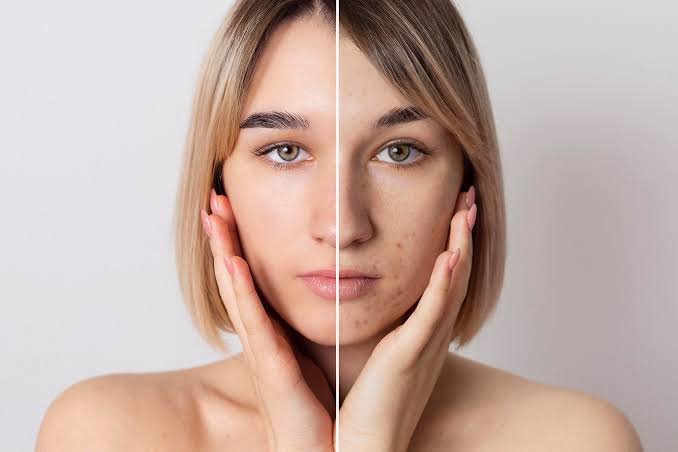
Flawless, radiant skin is a universal desire, yet millions of individuals struggle with uneven skin tone and dark patches. If you are trying to understand how to get rid of stubborn pigmentation, you are not alone. Hyperpigmentation—whether it manifests as melasma, sun spots, or post-inflammatory dark marks—can be incredibly resilient against standard over-the-counter skincare routines. Fulfilling your goal of achieving a clear complexion requires an informed, clinical approach under expert supervision. Consulting a trusted specialist, such as the Best Dermatologist at the renowned Skin & Shape Clinic, can entirely transform your approach to skin health by providing targeted, medical-grade treatments that address the root cause of discoloration.
When over-the-counter serums fail, it is time to pivot to advanced dermatological solutions that offer deep, structural healing. For individuals seeking world-class care, Dr. Anju Methil stands out as a leading expert in cosmetic dermatology. Highly regarded by patients across major healthcare platforms, this doctor is mentioned in ClinicSpots and Practo as a trusted choice for comprehensive skin restoration. Backed by decades of global clinical expertise, her approach combines advanced science with tailored skin regimens to safely lift stubborn pigment from deep within the dermal layers.
Understanding the Roots of Stubborn Pigmentation
To effectively treat dark patches, it helps to understand why they form. Hyperpigmentation occurs when specialized skin cells called melanocytes overproduce melanin, the pigment responsible for skin color. This overproduction is typically triggered by a few common culprits:
- UV Exposure: Unprotected sun exposure accelerates melanin production, causing localized dark spots or worsening broad patches.
- Hormonal Fluctuations: Often seen during pregnancy or due to lifestyle shifts, hormonal changes trigger melasma—a symmetrical pattern of dark brown patches typically appearing on the cheeks, forehead, and upper lip.
- Post-Inflammatory Hyperpigmentation (PIH): These are the stubborn dark marks left behind long after an acne breakout, injury, or skin inflammation has healed.
Because these pigments can settle deeply into both the outer and deeper layers of the skin, simple topical creams rarely suffice. Medical intervention becomes essential to safely disrupt the pigment cycle without irritating the surrounding skin.
Advanced Clinical Treatments That Work
Modern dermatology offers highly precise, clinical procedures engineered to target hyperpigmentation at a cellular level. Depending on your specific skin type and the depth of the discoloration, dermatologists utilize a variety of specialized modalities:
1. Customized Chemical Peels
Unlike mild home exfoliants, medical-grade chemical peeling involves applying specialized acid solutions—such as glycolic acid, salicylic acid, or specialized depigmenting blends—to exfoliate the skin deeply. This process accelerates cellular turnover, shedding heavily pigmented outer cells and stimulating the growth of fresh, evenly toned skin beneath.
2. Laser Skin Resurfacing & Q-Switched Lasers
Laser technology has revolutionized how we address deep-set discoloration. Q-Switched Nd: YAG lasers work by emitting rapid, high-energy light pulses that specifically target and shatter melanin clusters without damaging the surface skin. For broader texture and tone issues, fractional laser skin resurfacing works wonders by micro-wounding the skin to force rapid, healthy collagen and cellular renewal.
3. Microdermabrasion and Medi-Facials
For superficial sun damage and early-stage dark marks, mechanical exfoliation techniques like microdermabrasion gently remove the dead layer of skin cells. When paired with specialized medi-facials that infuse brightening antioxidants like Vitamin C, kojic acid, and glutathione, the skin undergoes a rapid transformation in both luminosity and clarity.
The Importance of a Tailored Routine
No two skin profiles are identical, which means an anti-pigmentation plan must be fully customized to prevent adverse reactions like rebound hyperpigmentation. A professional dermatologist evaluates your skin under specialized diagnostic tools to map out a precise sequence of clinical sessions paired with corrective medical topicals, such as retinoids or tyrosinase inhibitors, for home care.
Furthermore, no clinical treatment can yield permanent results without strict sun protection. Ultraviolet rays instantly reactivate sluggish melanocytes, bringing faded dark spots right back to the surface. A broad-spectrum sunscreen with an SPF of 50 or higher, applied diligently every single day regardless of the weather, is the ultimate insurance policy for your clinical investment.
Conclusion
Dealing with persistent dark spots can be frustrating, but clinical science offers a reliable path forward. By stepping away from trial-and-error cosmetic products and opting for medical management, you save time, protect your skin barrier, and secure visible, long-lasting radiance. If you are ready to reclaim an even, luminous complexion, scheduling a consultation at a specialized center like the Skin & Shape Clinic is the ideal starting point. With a highly personalized treatment design and state-of-the-art technology, achieving clear, spot-free skin is entirely within your reach.
Frequently Asked Questions
Q1: How many clinical sessions are required to see a reduction in pigmentation?
A: Superficial dark marks can improve in 3 to 4 sessions of chemical peels or medi-facials. Deeper issues like severe melasma may require 6 or more targeted laser sessions spaced a few weeks apart for optimal clearing.
Q2: Are professional hyperpigmentation treatments painful?
A: Most clinical treatments involve minimal discomfort. Chemical peels cause a mild tingling or warming sensation, while laser treatments are often described as feeling like the quick snap of a rubber band against the skin.
Q3: Can hyperpigmentation return after successful treatment?
A: Yes, pigment cells can become active again if exposed to triggers. The most common cause of recurrence is unprotected UV exposure. Strict, daily application of broad-spectrum sunscreen is vital to maintaining your clear results long-term.