Water marks on walls or ceilings often signal trouble in your plumbing, while many homeowners brush off small drips, yet these signs can hide deeper blockages or rising pressure in the pipes; therefore, when drains clog or strange smells drift up, the problem can spread each day.
At this point, leaking pipe repair plays a key role in stopping damage or bringing back steady water flow. Quick action shields your home, cuts stress, or stops harm from creeping into floors, paint, or fittings.
Spot the Signs Early
You can stop major damage when you catch small signs first. While you look or listen for clues around your home.
Warning Signs
- Wet marks on walls or ceilings
- Low water flow from taps
- Bad smells from the sinks
- Gurgling sounds in drains
When you find any of these signs in your water system, check your pipes at once. While a small drip may seem minor, it can grow fast. So, never delay action.
Check Common Leak Areas in Your Home
Some areas face more strain than others. Even focus on spots where water runs each day.
Kitchen or Bathroom Pipes
Kitchens handle grease or food waste. Even bathrooms collect hair or soap. Block pipes with ease. When pressure rises, it can strain joints and split them. So, check behind toilets and under sinks. If you notice rust or damp spots, act fast and fix the issue before it grows.
Outdoor Drain Lines
Garden pipes or main drains can clog with leaves or roots. Heavy rain can add more strain. Walk around your home to check for soggy soil. This may signal a hidden leak below ground.
Understand How Choked Pipe Makes Leaks Worse
A pipe choke blocks water flow. As a result, pressure builds inside the pipe. That pressure can crack joints or burst weak spots. When this happens, leaks spread.
Blocked pipes often form from:
- Grease build-up
- Hair or soap waste
- Food scraps
- Tree roots near outdoor lines
Because of this, you must clear blockages before they harm the pipe. Therefore, when you treat the leak in the pipe, you protect the whole system.
Inspect the Damage Before Repair
Before you start any fix, study the problem with care. While this step helps you avoid waste or repeating faults.
Look for Surface Leaks
Surface leaks show water around joints or valves. While you may even see drips or stains. In this case, you can tighten fittings or swap worn parts.
Detect Hidden Leaks
Hidden leaks hide inside walls or floors. You may hear faint dripping or see mould. If signs persist, shut off the water supply or seek skilled help; therefore, quick action limits harm.
Choose the Right Repair Approach
Not all leaks need the same fix. First, inspect the pipe. Then, decide the next step.
Simple Fixes for Small Leaks
- Tighten loose joints
- Replace worn washers
- Seal tiny cracks with pipe tape
These steps work for minor faults. However, large cracks or hidden leaks need skilled hands.
When to Call a Professional
Call a trained plumber if:
- Water pools under floors
- Pipes burst or split.
- Leaks return after repair.
- Drains stay blocked
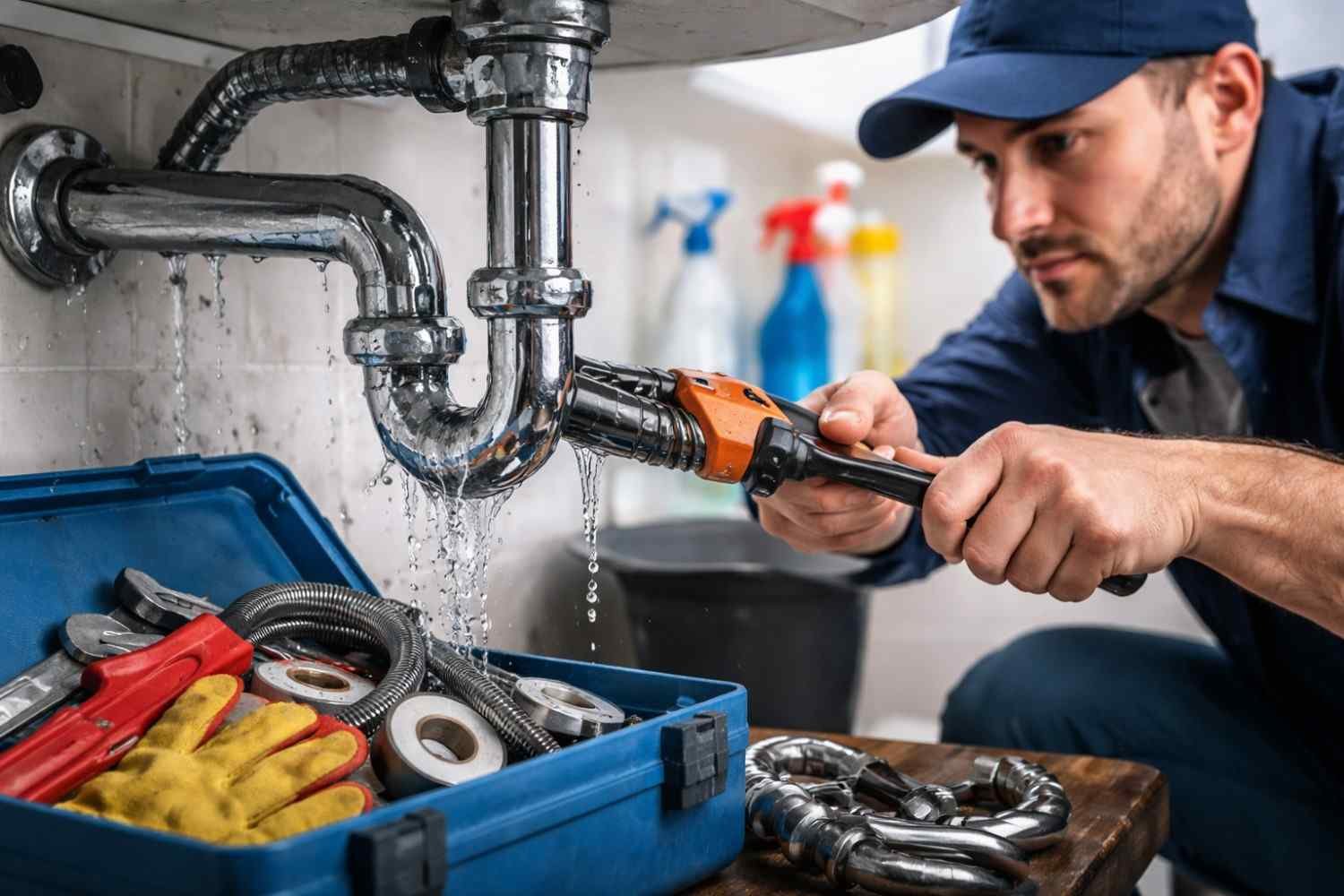
A skilled worker will trace the source, clear the choked pipe, or carry out proper repair to leak pipe. This prevents repeat damage.
Use the Right Tools for Safe Repairs
Proper tools help you fix issues with care. While they also guard you from harm.
Basic Tools to Keep at Home
- Adjustable spanner
- Plumber’s tape
- Bucket or cloth
- Drain snake
With these tools, you can manage small faults. Therefore, don't put extra force to pipe or the joint that may cause cracks.
Safety First
Wear gloves to protect your hands. Turn off the main water system before work. Also, dry the area to avoid slips. Safety must guide each step.
Create a Simple Pipe Care Routine
A routine keeps your plumbing strong. While you do not need complex steps.
Monthly Checks
Always do a cross-check of your bathroom or kitchen once a month. While looking under sinks or near appliances. Even if you see dampness, trace the cause.
Seasonal Care
In cold months, insulate exposed pipes. While a frost can freeze water inside pipes or cause splits. In warm months, flush drains with hot water to clear residue. While routine care cuts the chance of another pipe choke.
Shut Off Water Before the Damage Spreads
When you spot a leak, act at once; therefore, do not wait or watch. Water can flood floors or stain walls within minutes. First, stop the flow to limit harm. Even this simple step can save wood, paint, or wiring from serious damage.
Steps to Turn Off the Water Supply
- While locating the main water valve in your home.
- Turn the valve clockwise to stop the flow.
- Open taps to drain leftover water in the pipes
- Check that water has fully stopped before repairs begin.
Keep Drains Clear With Smart Daily Habits
Daily habits shape the health of your plumbing. Small actions each day can stop the build-up inside pipes. When you care for drains, you lower the risk of pressure or cracks. Therefore, simple routines protect your home from sudden trouble.
Easy Habits That Protect Your Pipes
- Wipe grease from pans before washing.
- Use sink strainers to catch food or hair.
- Run hot water after each wash.
- Empty strainers or bins each day
Prepare for Plumbing Emergencies
Pipe trouble can strike without warning. When it does, you need a calm or clear plan. While preparation helps you act with confidence. Even a few simple steps can reduce panic or limit damage.
Build a Simple Emergency Plan
- Store basic tools in one easy-to-reach place.
- Keep towels in buckets ready for spills.
- Save the contact details of a trusted plumber.
- Teach family members how to shut off the water.
These steps help you respond with speed to protect your home from greater harm.
Final Thought
Pipe problems rarely fade on their own, or delay can trigger burst lines or hidden mould growth. Regular checks or prompt care keep your plumbing strong. When warning signs appear, step in before the damage spreads further.
In many cases, leaking pipe repair helps to secure your home or restore full water flow. Stay alert, follow simple care steps, or call for skilled help when needed to guard your property, which protects your peace of mind.
FAQ
Q 1: What should I do first when I notice a water leak?
Shut off the main water supply at once to stop the rush of water. Then wipe the area dry and trace where the water starts. Quick steps protect walls, floors, and nearby fittings from harm.
Q 2: Can blocked drains cause bigger plumbing problems?
Yes, blocked drains trap water and push pressure back into the pipes. This pressure can strain joints and split weak spots. If you ignore slow flow or odd sounds, the problem can spread through the system.
Q 3: How long does a typical pipe fix take?
The repair time depends on the size and place of the fault. A loose joint may need less than an hour. A hidden crack inside a wall may take longer to find and mend.
Q 4: How can I lower the risk of future pipe damage?
Keep grease and food scraps out of sinks. Clear drains often and scan exposed pipes for rust or damp marks. Simple care steps help your plumbing stay strong and work without trouble.
Tags : leaking pipe repair pipe choke