Have you ever wondered what separates a genuinely authentic Japanese restaurant from one that's simply serving up westernised interpretations? Are you tired of ordering what you think is traditional Japanese fare, only to discover it's been heavily modified for local tastes? And perhaps most importantly, do you know what to look for when searching for that perfect, authentic Japanese dining experience right in your neighbourhood?
Finding a truly authentic Japanese restaurant can feel like searching for a needle in a haystack. With Japanese cuisine becoming increasingly popular across Australia, restaurants claiming authenticity have popped up on practically every corner. Yet not all of them deliver the real deal. The difference between authentic Japanese food and its imitations goes far beyond taste—it encompasses tradition, technique, and a cultural philosophy that has been refined over centuries.
In this guide, we'll walk you through everything you need to know about finding genuine Japanese dining experiences in your area. From understanding what makes a restaurant truly authentic to spotting red flags on menus, we've got you covered. You'll learn how to search effectively, what to look for when you arrive, and how to dine like a local. By the end, you'll be equipped with the knowledge to make informed choices and enjoy Japanese cuisine the way it was meant to be experienced.
What Makes a Japanese Restaurant Truly Authentic?
Traditional Ingredients and Sourcing
Authenticity begins with ingredients. Genuine Japanese restaurants prioritise sourcing high-quality, traditional components. This means real wasabi (not the horseradish-based paste found in most places), properly aged soy sauce, and rice varieties specifically suited for Japanese cooking. Many authentic establishments import key ingredients directly from Japan or work with suppliers who specialise in Japanese products.
Fresh, seasonal produce plays a massive role too. Traditional Japanese cuisine celebrates what's available at each time of year. If you spot dishes featuring seasonal ingredients appropriate to the current month, that's a promising sign you're in the right place.
Cooking Techniques and Presentation
Japanese cooking techniques are incredibly precise and often take years to master. Whether it's the perfect temperature for frying tempura, the exact timing for grilling yakitori, or the meticulous knife skills required for sashimi, these methods define authentic cuisine. Presentation matters equally—Japanese food should look almost too beautiful to eat, with careful attention to colour, arrangement, and the vessels used.
The Role of the Chef's Background and Training
A chef's background speaks volumes. In Japan, culinary training is rigorous and specialised. Sushi chefs, for instance, might spend years just learning to prepare rice correctly. While this doesn't mean non-Japanese chefs can't create authentic dishes, training under traditional masters or extensive time spent in Japan often indicates a commitment to authenticity.
How Do You Know if a Japanese Restaurant is Authentic?
Menu Red Flags and Green Flags to Look For
Menus tell stories. Green flags include Japanese text alongside English descriptions, regional specialities, and seasonal dishes that change throughout the year. Be wary of menus featuring predominantly westernised rolls with elaborate names, excessive fusion items, or dishes that seem designed more for Instagram than for authenticity.
A focused menu often signals quality over quantity. Restaurants trying to do everything rarely excel at anything. If a place specialises in ramen, sushi, or izakaya-style dining, they're more likely to do it well than somewhere offering all Japanese cuisines under one roof.
The Atmosphere and Dining Experience
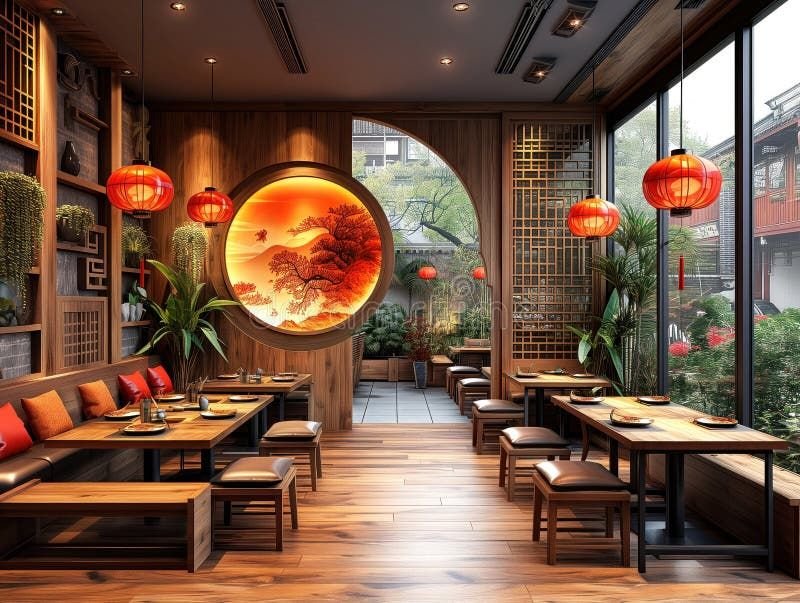
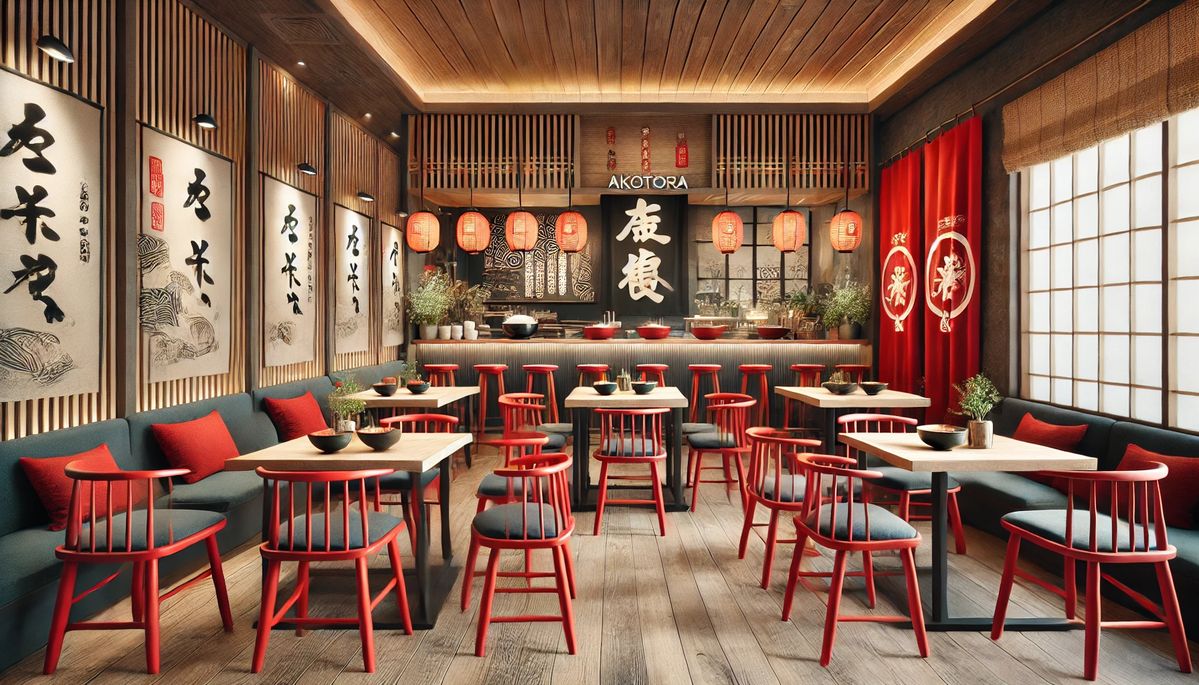
Step inside and observe. Authentic Japanese restaurants often feature minimalist decor, natural materials like wood and bamboo, and a calm atmosphere. You might hear Japanese being spoken by staff or see traditional elements like noren curtains at the entrance. The overall vibe should feel considered and intentional, not like a themed chain restaurant.
What Japanese Customers Look For
Here's a helpful tip: look for Japanese diners. If a restaurant attracts customers from the local Japanese community, that's a strong endorsement. Japanese expats and visitors know what authentic tastes like, and they won't settle for imitations when they're craving a taste of home.
Best Ways to Search for Japanese Restaurants Near Me
Using Google Maps and Local Search Effectively
Start your search by typing "authentic Japanese restaurant" into Google Maps. Check reviews carefully, paying particular attention to comments from reviewers who mention Japanese heritage or extensive travel in Japan. Filter by rating, but don't dismiss places with fewer reviews—sometimes the best spots fly under the radar.
Look at photos uploaded by customers. Genuine Japanese dishes have a distinctive appearance that differs from westernised versions. If the sushi looks like it belongs in Tokyo rather than a food court, you're onto something good.
Japanese Community Recommendations and Forums
Online communities can be goldmines for authentic recommendations. Search for Japanese expat groups on Facebook or Reddit communities focused on Japanese food in your city. These spaces often feature honest discussions about where to find the real deal. People passionate about their cuisine won't hesitate to share their favourite hidden gems.
Social Media and Food Blogger Reviews
Food bloggers and Instagram accounts dedicated to Japanese cuisine can point you in the right direction. Look for reviewers who demonstrate genuine knowledge of Japanese food culture rather than those simply chasing trendy spots. A blogger who can explain why a particular restaurant's dashi stands out is more trustworthy than someone focused solely on aesthetics.
What Should I Look for on a Japanese Restaurant Menu?
Seasonal Dishes and Regional Specialities
Japanese cuisine celebrates seasons intensely. Spring might bring bamboo shoots and cherry blossom-themed dishes, while autumn features matsutake mushrooms and sanma fish. Regional specialities—like Hiroshima-style okonomiyaki or Hakata ramen—indicate a restaurant's depth of knowledge and commitment to authenticity.
Omakase and Set Menus Explained
Omakase translates to "I'll leave it up to you," trusting the chef to create your meal. This tradition showcases a chef's skills and creativity while using the freshest available ingredients. Set menus, or "teishoku," offer balanced meals with multiple components. Both options demonstrate a restaurant's confidence in their craft.
Avoiding Fusion Confusion
There's nothing wrong with fusion cuisine—it can be delicious. But if you're seeking authenticity, be mindful of menus heavy on creative rolls, unusual flavour combinations, or dishes described with non-Japanese culinary terms. Authentic Japanese restaurants let traditional flavours shine without unnecessary embellishment.
Is Expensive Japanese Food Always Better Quality?
Understanding Price Points and Value
High prices don't automatically guarantee authenticity. While certain Japanese dining experiences—particularly high-end sushi or kaiseki—justifiably cost more due to premium ingredients and skilled labour, expensive doesn't always mean better. Some restaurants charge premium prices for mediocre food in fancy settings.
Evaluate value by considering ingredient quality, portion sizes, and the overall dining experience. A moderately priced restaurant using excellent ingredients and traditional techniques often delivers better value than an overpriced establishment coasting on reputation.
Hidden Gems: Affordable Authentic Options
Some of the most authentic Japanese food comes from humble establishments. Small ramen shops, family-run izakayas, and unassuming neighbourhood spots often serve food that rivals expensive restaurants. These places prioritise substance over style, pouring their passion into every bowl and plate.
How to Spot Inauthentic Japanese Restaurants
Common Warning Signs
Watch out for these indicators: menus featuring sushi alongside Thai, Chinese, and Korean dishes; excessive use of mayonnaise and cream cheese in rolls; staff who seem unfamiliar with Japanese dining customs; and décor that feels stereotypical rather than genuinely Japanese. If something feels off, trust your instincts.
Questions to Ask Before You Book
Don't hesitate to call ahead and ask questions. Enquire about their rice supplier, whether they make dashi from scratch, or if they offer seasonal specials. Genuine restaurants appreciate informed customers and will happily discuss their approach to Japanese cuisine.
Tips for First-Time Diners at Traditional Japanese Restaurants
Dining Etiquette Basics
A few simple gestures show respect. Say "itadakimasu" before eating and "gochisousama deshita" after finishing. Don't stick chopsticks upright in rice, and avoid passing food directly between chopsticks. These small courtesies demonstrate appreciation for Japanese dining culture.
How to Order Like a Local
Start with lighter dishes before moving to heavier ones. Don't be afraid to ask staff for recommendations—they'll appreciate your interest. If ordering omakase, communicate any dietary restrictions beforehand and embrace the experience with an open mind.
Your Next Authentic Japanese Dining Experience
Finding authentic Japanese restaurants takes a bit of effort, but the rewards are absolutely worth it. By understanding what defines genuine Japanese cuisine—from traditional ingredients and meticulous techniques to chef backgrounds and seasonal awareness—you're now equipped to make informed dining choices.
Remember, authenticity isn't about perfection or pretension. It's about respect for tradition, quality ingredients, and the care that goes into every dish. Whether you find your perfect spot through community recommendations, careful online research, or simply by observing Japanese customers queuing outside, trust your newfound knowledge.
So go ahead—start your search, visit that promising neighbourhood restaurant, and experience Japanese cuisine as it's meant to be enjoyed. Your taste buds will thank you, and you might just discover a new favourite dining destination that keeps you coming back for more.