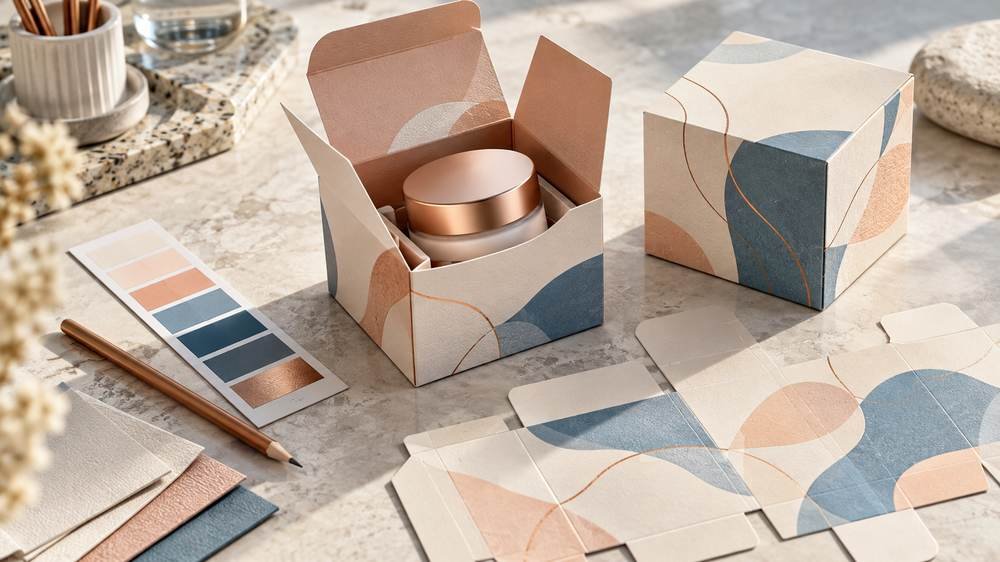
The very first thing a customer will notice in your product is its packaging. Before they use your product, they see the box, label, pouch, or bag. This first impression can help them decide whether your product feels trustworthy, useful, and worth buying.
Designing is the process in which the functionality of your box meets creativity. Good packaging should protect the product, explain why it is, and show your brand personality. Product packaging design is not only about looking attractive. It is also about product protection, easy use, clear information, and smart presentation.
With the right branded packaging ideas, even the simplest packaging can become a powerful marketing tool. It can help your product stand out in stores, look professional online, and create a memorable customer experience after purchase.
Step 1: Choose a Packaging Design
Start by selecting the right packaging type for your product. Think about what shape, size, material, and protection level your product needs.
If you are still confused about which packaging works best for your product, ask yourself these simple questions:
- Is the product fragile?
- Is it heavy?
- Does it need to stay fresh?
- Will it be sold in the retail store?
- Will it be shipped through e-commerce?
Retail packaging should look attractive on shelves and quickly show what your product is. Whereas an e-commerce package should be strong enough to protect the item inside during shipping and handling.
Similarly, the size of your product also matters. If the box size you choose is too large for your product, it will cost you more in shipment charges, and if it is too small for your product, it will damage your product or make your design look overfilled.
This is why you need to choose a size that fits well and gives enough space for branding and information. For a more professional and branded look, many brands prefer custom boxes with logo to make the brand easier to recognize, improve presentation, and give customers a more memorable unboxing experience.
Step 2: Turn Idea Into Visuals
After choosing the packaging type, start working on the visual design. First, understand your product category and your audience. The same packaging design will not work for skincare products, food items, candles, or tech accessories.
It is also helpful to check competitors. This does not mean we are recommending that you copy them. It simply helps you understand what already exists in the market and how it works. You can then decide whether your packaging should mix in or stand out.
Choose colors thoughtfully. Do not follow random trends without a solid reason. Your colors should match your brand and the feelings you want to create. Soft colors may feel gentle, dark colors may feel premium, and bright colors may feel like fun.
Typography should also be easy to read. A stylish font is useful only if customers can understand it quickly. Use clear fonts for important details like product name, benefits, and instructions.
You can also use AI tools for quick mockups, color ideas, and visual clarity. These tools can help you explore options faster before finalizing the design.
Step 3: Create Layout and Brand Message
Your packaging layout should guide customers naturally. The information should appear in a clear order.
Key message —> secondary information's —> details
The key message is what customers will notice first. This may include the product names, flavor, scent, size, or main benefit.
Secondary information supports your main message, like your product is “organic,” “handmade,” “eco-friendly,” “premium-quality, ” or “for sensitive skin.”
Details come at last. These include ingredients, directions, warnings, barcode, weight, and company information.
Also, your product packaging is your free marketing tool. The front should attract attention, while the back and sides should answer customer questions. For extra help, use a packaging design checklist to make sure you do not miss important design or printing details.
Step 4: Make Packaging Easy to Use
Good packaging should be easy to use, read, and handle. If, by any chance, customers struggle with it, the experience can feel frustrating.
Make sure the design you choose is easy to open. Tabs, seals, sleeves, or zippers should work smoothly. Customers should not need too much force or extra tools to deal with your product’s packaging.
Readable text is also important. Use clear font sizes and strong contrast. Dark text with a light background makes readability easier than pale text on a dull background. It loses the whole charm.
Tactile elements can also improve the experience. Embossing, textured paper, soft-touch finishes, or raised labels can make packaging feel more premium. These details are not always required, but they can make your product feel special.
Step 5: Mockup and Test Design
Before you print in bulk, we suggest you create a mockup and test it because a design may look good on screen but feel different in real life.
Print a rough version, assemble it into shape, and place the product inside. Check the front, back, sides, folds, and edges. Make sure the logo, text, and design elements are in the right place.
Now, test this packaging in a real situation. If it is for retail, place it beside similar products. If it is for e-commerce, pack it like a shipped order and check whether it protects the item.
Take feedback from the people who know your brand and the people who do not. If the packaging does not match your intent, improve it before final printing.
Best Practices for Business Packaging Design
Keep your branding consistent everywhere. Your packaging should match your website, social media, labels, and other marketing materials.
Use a simple design. Simple packaging does not mean boring. It means the message is clear and easy to understand.
Consider sustainable packaging options when possible. Recyclable, reusable, or reduced-material packaging can make your brand feel more responsible.
Also, Focus on user experience and function. Your packaging should look good, but it must also protect the product, fit properly, and provide useful information.
Creative Branded Packaging Design Ideas
Minimalist and bold packaging can create a clean, modern, and premium look. Use simple typography, open space, and one strong brand color.
Seasonal and limited-edition packaging can make products feel fresh and exciting. It works well for holidays, launches, and special collections.
Personalized packaging can help customers feel connected to your brand. This may include your customer’s name, thank-you note, or custom messages.
Handmade design and illustrations can add warmth and personality. They are great for small businesses, candles, skincare, food products, and handmade items.
Common Mistakes to Avoid
One of the common mistakes many brands make is by overcrowding their design by adding too much information and using too many colors. Too much text, too many colors, and too many graphics can confuse customers.
Do not forget legal information. Some products need ingredient information, warning details, directions to use, net weight of the product, or safety measures.
Avoid brand colors that do not print well. Always test colors before final production. Do not ignore your audience or market trends. Your design should feel current and suitable for buyers.
Final Words
Packaging design is a balance of beauty, function, and clear communication. It should protect your product, explain its value, and make your brand easy to remember.
Start with the right box structure, create a clear visual style, test your design, and improve it before printing. When done well, packaging becomes more than a container. It becomes a powerful part of your product experience.