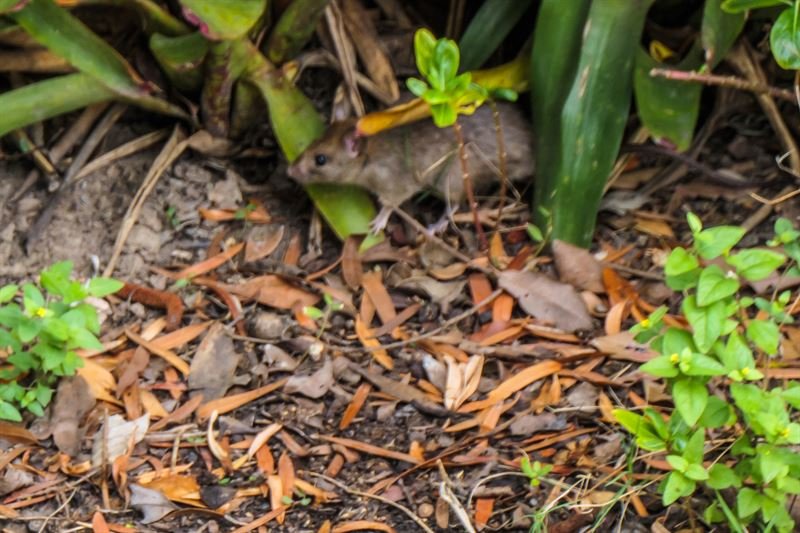
A quote for a mouse problem can look cheap until you notice that it covers only the first visit. Another quote may cost more because it includes checking traps, closing gaps and coming back. The totals alone don't tell you which offer fits the job.
For US homeowners comparing rodent treatment quotes, the useful starting point is a written description of the work. Get each company to explain what it found, what it plans to do and what you would pay for separately.
Ask what the inspection actually found
Before discussing a treatment package, ask where the technician saw evidence of activity. Was it inside a cabinet, near a pipe or in the attic? Ask which areas were checked and which couldn't be reached. A note that says only "rodent activity" leaves you with very little to compare.
You don't need to diagnose the problem yourself. You do need to know whether the proposal rests on an inspection or a guess made over the phone. If access is limited, ask how that affects the price and whether another visit could change the plan.
Separate removal from closing the gaps
Dealing with rodents already inside and repairing places where they enter are different jobs. Don't assume a quote covers both. Ask the company to list the openings it proposes to close, the materials it would use and any areas it would leave untouched.
If the terms are unfamiliar, the inspection, removal and entry sealing explanations at RodentExterminator.com give you some background before comparing proposals. Use that reading to ask about your own house, rather than assuming every service described is part of your quote.
A vague promise to "seal the property" isn't much help. A written list lets you ask whether roof access, damaged vents or work behind appliances changes the bill. Ask who would handle repairs outside the pest company's scope.
Put the return visits on paper
A first visit is easy to picture. What happens afterward is where the offers can differ.
Ask how many return visits the price includes, what happens during them and how the company decides the job is finished. Find out who checks or removes any devices it installs. If more activity appears, ask whether that means a free return, another inspection or a new charge.
Check the timing too. "Follow up included" doesn't tell you when someone will return or how you should report a problem between visits.
Read the exclusions before the guarantee
Ask whether the price includes removing nesting material, cleaning affected spaces or dealing with damaged insulation. If it doesn't, request a separate scope and price before agreeing to extra work. Don't treat a general cleanup promise as a detailed plan.
The guarantee needs the same attention. Ask what it covers, when it ends and what could void it. Does it cover the repaired openings, renewed rodent activity or something else? If keeping it requires paid inspections or a recurring contract, get those charges in writing.
Compare the work, not just the number
The US Environmental Protection Agency advises households to gather several estimates and weigh a company's competence alongside its price. Its guidance also recommends checking references and credentials. Ask which business will perform your work and verify any required pesticide license with the relevant state agency.
Put the quotes next to each other. Mark the inspection, removal work, repairs, return visits and exclusions on each one. Send back the missing questions before signing. A higher quote may include work you'd otherwise pay for later, but don't assume it does. Have the company show you where it's included
Tags : .....