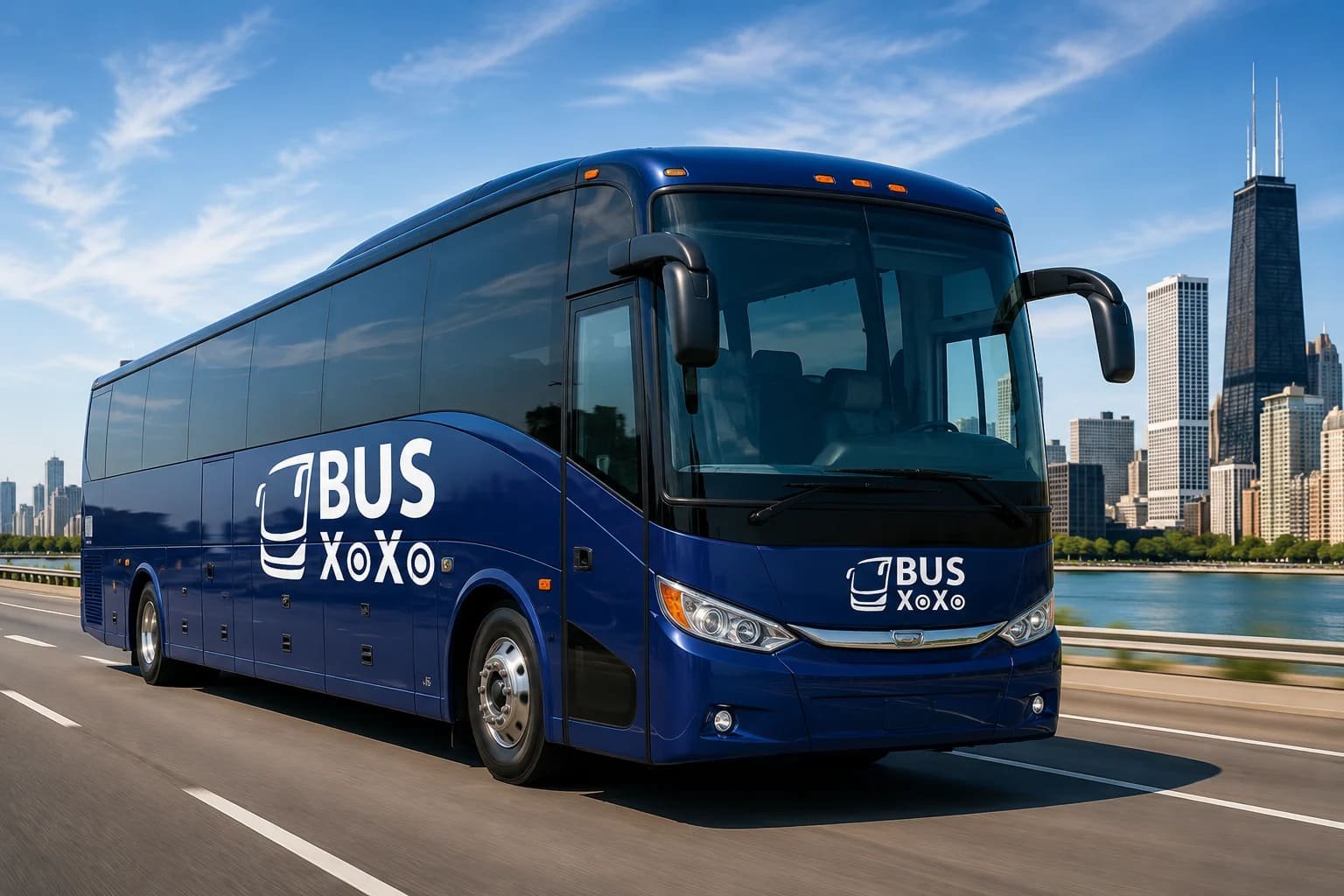
Planning transportation for a large group in Texas involves more than finding enough seats. The distance between cities, amount of luggage, number of stops, trip duration, and type of event can all affect which transportation option makes sense. Choosing reliable Texas group transportation can help travelers stay together, simplify scheduling, and make a long trip more manageable.
Start With Your Group Size
The number of travelers is one of the first things to consider when planning group transportation. A small family group may only need a passenger van, while a school group, sports team, wedding party, or corporate organization may need a larger vehicle.
However, don't choose a vehicle based only on its advertised seating capacity. Think about how much luggage, equipment, or personal belongings your passengers will bring. A group traveling with sports equipment or several pieces of luggage may need additional storage space even when the passenger count seems relatively small.
Having a little extra room can also make boarding and unloading easier, particularly when the itinerary includes several stops.
Consider the Distance of Your Trip
Texas is enormous, so transportation requirements can change considerably depending on the route. A short trip around one metropolitan area is very different from traveling between Dallas, Austin, Houston, San Antonio, or destinations in West Texas.
For longer journeys, passenger comfort becomes more important. Travelers may spend several hours on the road, making features such as comfortable seating, climate control, storage, and available onboard amenities useful considerations.
Before booking transportation, estimate the total driving time rather than looking only at the distance between your starting point and destination.
Think About the Type of Trip
The best transportation option also depends on why you're traveling.
A wedding group may need transportation between hotels, the ceremony venue, and reception location. A corporate group might need repeated transfers between an airport, hotel, conference center, and business facility. School groups may require transportation between campuses, museums, attractions, and educational sites.
Sports teams have another set of requirements because they may need space for uniforms, equipment, coolers, and other gear.
Identifying the purpose of the trip helps determine whether you need a simple point-to-point transfer, a recurring shuttle, or transportation that remains with the group throughout the itinerary.
Plan Your Pickup and Drop-Off Locations
Pickup locations can have a major impact on how smoothly a group trip starts.
Instead of simply providing a city name, identify the exact hotel, venue, campus, airport terminal, or meeting location whenever possible. Large buses may have different loading requirements than passenger cars, and some properties have designated areas for commercial vehicles.
For multi-stop trips, organize the locations in the order they will be visited. This gives the transportation provider a clearer understanding of the route and allows the group to build a more realistic schedule.
Don't Forget About Travel Time Between Stops
A common mistake when planning group transportation is creating an itinerary that is too tight.
Travel time is not limited to driving. Passengers need time to board, unload, collect belongings, use restrooms, eat meals, and gather at meeting points. Traffic around major Texas cities can also affect arrival times.
When planning a group itinerary, leave reasonable buffers between important activities. This is especially important when the group has tickets for an event, a scheduled tour, a wedding ceremony, or a conference session.
A flexible schedule can prevent one small delay from affecting the entire day.
Choose the Right Vehicle
Texas group transportation can include several types of vehicles. Smaller groups may find a passenger van or minibus practical for local trips. Larger groups may prefer a full-size charter bus, particularly for long-distance travel.
An executive coach may be appropriate for business or VIP travel, while a party bus can work well for celebrations and entertainment-focused outings.
The goal isn't necessarily to select the largest vehicle available. Instead, choose a vehicle that matches the passenger count, luggage requirements, trip length, route, and amenities your group actually needs.
Prepare for Weather and Road Conditions
Texas weather can vary significantly throughout the year and between regions. Heat, thunderstorms, heavy rain, and other weather conditions can affect travel schedules.
Before departure, check the forecast and allow additional travel time when necessary. For long-distance trips, identify possible rest and meal stops in advance instead of assuming the group can find suitable facilities along the way.
A backup communication plan is also useful if the itinerary needs to change during the trip.
Make Group Travel Easier With Advance Planning
Good transportation planning can eliminate many of the problems that occur when a large group travels in separate vehicles. Instead of coordinating multiple drivers, parking locations, arrival times, and directions, the group can follow one organized transportation plan.
Whether you're arranging a wedding, business trip, school excursion, sports event, family reunion, or Texas sightseeing tour, start planning transportation at the same time you create the itinerary.
Consider the group size, route, luggage, vehicle requirements, pickup locations, and schedule before making a reservation. With the right transportation plan in place, your group can spend less time worrying about logistics and more time enjoying the Texas destinations on the itinerary.