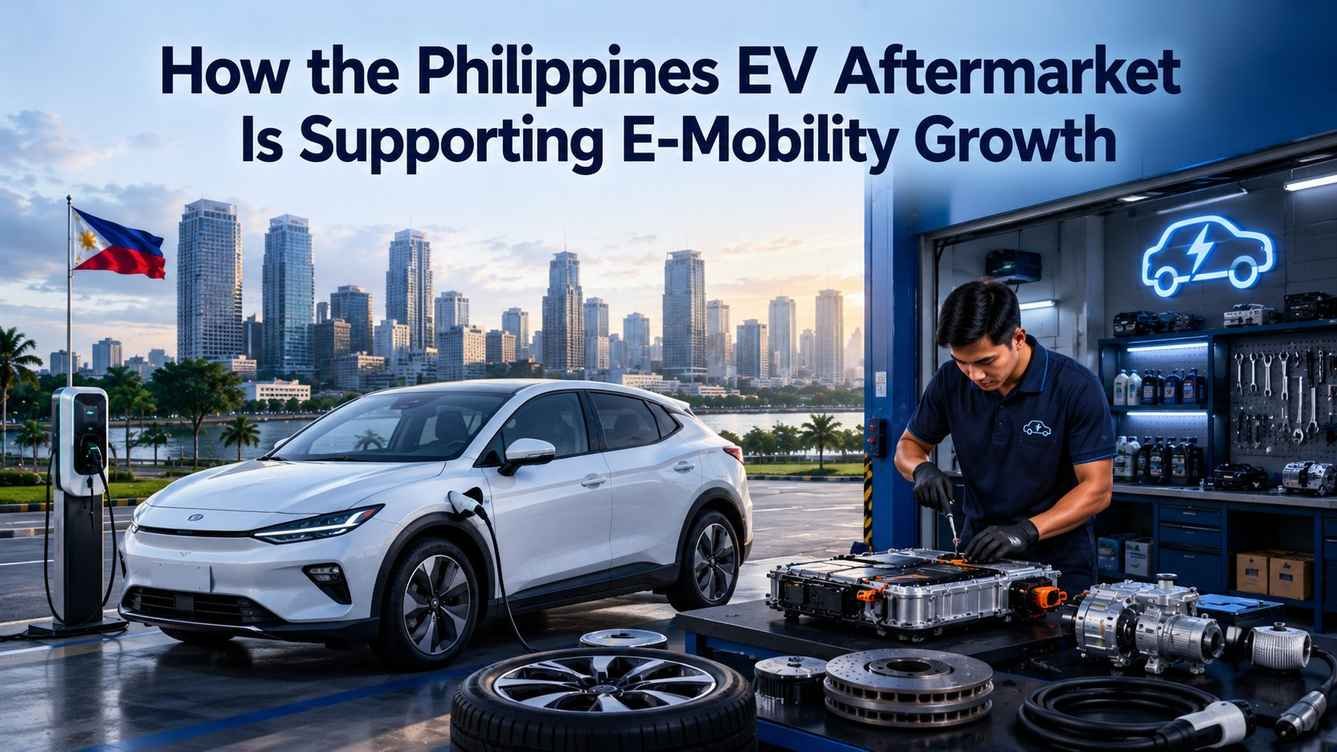
The electric vehicle aftermarket in the Philippines is becoming an important part of the country’s broader transition toward sustainable transportation. As electric vehicle adoption gradually expands across passenger and commercial segments, demand for maintenance services, replacement components, charging-related equipment, and software support is also increasing. This shift is creating new opportunities for service providers, parts distributors, and technology companies operating within the automotive ecosystem.
Unlike conventional vehicles, electric vehicles require specialized servicing, battery diagnostics, power electronics support, and software updates. These unique requirements are reshaping aftermarket operations and encouraging investments in technical expertise and digital service capabilities. As EV ownership grows, aftermarket services are expected to play a vital role in ensuring vehicle reliability, performance, and long-term customer satisfaction.
According to the Philippines Electric Vehicle Aftermarket report, the industry is projected to witness notable growth during the forecast period. The expansion is being supported by increasing EV adoption, improvements in charging infrastructure, and rising awareness of sustainable mobility solutions. The growing focus on vehicle longevity and performance optimization is further contributing to aftermarket demand.
Growing Electric Vehicle Adoption Is Expanding Service Needs
The increasing presence of electric vehicles on Philippine roads is creating a parallel demand for specialized maintenance and repair services. While EVs generally have fewer moving parts than internal combustion engine vehicles, they require periodic inspections of batteries, electric motors, thermal management systems, and electronic control units. As vehicle fleets mature, the need for professional servicing is expected to become more prominent.
Electric vehicle owners also require access to certified replacement parts and technical support. Components such as battery management systems, charging connectors, power converters, and cooling systems demand specialized knowledge. As a result, automotive workshops are investing in technician training and advanced diagnostic tools to meet evolving customer requirements.
Battery Services Are Becoming a Core Aftermarket Segment
The battery remains one of the most critical and valuable components in an electric vehicle. As EV ownership expands, battery health monitoring, diagnostics, refurbishment, and replacement services are expected to become increasingly important. Service providers capable of accurately assessing battery performance may gain a competitive advantage in the evolving aftermarket landscape.
Growing global attention toward battery lifecycle management is influencing industry practices. Organizations such as the International Energy Agency’s Global EV Outlook have highlighted the importance of battery sustainability, recycling, and efficient resource utilization as electric mobility continues to expand worldwide. These trends are likely to influence aftermarket strategies across emerging EV markets.
Charging Infrastructure Development Supports Aftermarket Growth
The expansion of charging networks is creating additional opportunities for aftermarket participants. Charging stations require periodic maintenance, software upgrades, component replacements, and technical inspections to ensure operational reliability. Companies involved in charging infrastructure management are increasingly becoming part of the broader EV aftermarket ecosystem.
In addition, home charging equipment is generating demand for installation, maintenance, and troubleshooting services. As more consumers adopt electric vehicles, reliable charging solutions are becoming essential for everyday mobility. This trend is encouraging partnerships among automotive companies, energy providers, and technology firms.
Digital Technologies Are Transforming Aftermarket Operations
Digitalization is playing a growing role in the electric vehicle aftermarket. Connected vehicles generate large volumes of operational data that can be used for predictive maintenance and remote diagnostics. These capabilities allow service providers to identify potential issues before they develop into major problems, helping improve vehicle uptime and customer experience.
Industry organizations such as the World Economic Forum’s electric mobility initiatives have emphasized the role of digital technologies in supporting efficient transportation systems. Advanced analytics, telematics, and cloud-based monitoring tools are expected to enhance the effectiveness of aftermarket services in the years ahead.
Skills Development Is Essential for Industry Expansion
The transition toward electric mobility requires a workforce equipped with specialized technical knowledge. Traditional automotive maintenance skills must be complemented by expertise in high-voltage systems, battery diagnostics, software management, and electrical safety procedures. Training institutions and industry stakeholders are increasingly recognizing the importance of workforce development.
Educational programs and certification initiatives can help address emerging skill requirements while supporting service quality across the aftermarket value chain. As EV adoption accelerates, the availability of qualified technicians will become a critical factor influencing industry growth and customer confidence.
Future Outlook for the Philippines EV Aftermarket
The Philippines electric vehicle aftermarket is evolving alongside the country’s broader transportation transformation. Rising EV ownership, expanding charging infrastructure, growing battery service requirements, and increasing digitalization are collectively reshaping aftermarket dynamics. These developments are creating opportunities for service providers, technology companies, and automotive businesses seeking to support the next phase of mobility evolution.
As per a study published by MarkNtel Advisors, continued growth in electric vehicle adoption is expected to strengthen demand for aftermarket products and services throughout the forecast period. The industry's long-term development will likely depend on infrastructure investments, technological innovation, workforce readiness, and effective battery lifecycle management. Together, these factors are expected to support a more mature and resilient EV ecosystem across the Philippines.