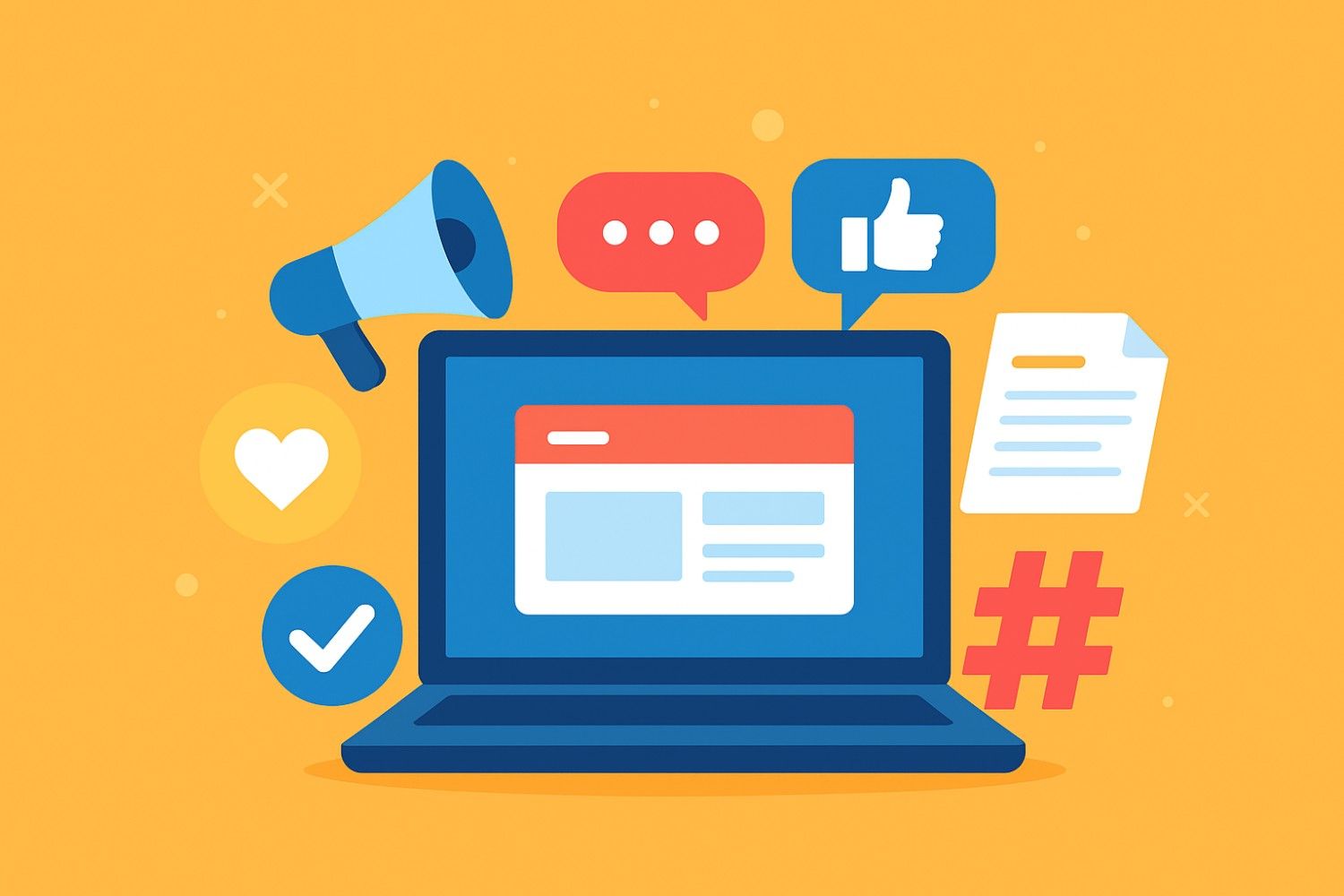
Managing social media today is no longer just about posting content regularly. Conversations move fast, trends change quickly, and audiences expect timely, thoughtful responses. This is why using both social monitoring tools and social media scheduling tools has become essential for brands, creators, and marketers who want to stay relevant and organized.
While scheduling tools help plan content ahead of time, monitoring tools help understand what is happening in real time. Together, they create a more balanced and effective social media strategy.
What Are Social Monitoring Tools?
Social monitoring tools are platforms that track online conversations across social media channels. They help users see what people are saying about a brand, topic, keyword, or industry.
These tools monitor:
- Brand mentions and tags
- Comments and replies
- Trending keywords and hashtags
- Audience sentiment and feedback
- Competitor activity
Instead of manually checking each platform, social monitoring tools collect this data in one place. This allows teams to respond faster and make informed decisions.
Why Social Monitoring Matters
Social media is not a one-way channel. People comment, ask questions, and share opinions daily. Ignoring these conversations can lead to missed opportunities or unresolved issues.
Social monitoring tools help:
- Identify customer concerns early
- Understand audience preferences
- Detect potential reputation issues
- Spot trending topics quickly
- Improve engagement quality
When users see that a brand listens and responds, trust grows naturally.
What Are Social Media Scheduling Tools?
Social media scheduling tools allow users to plan and publish posts in advance. Instead of posting manually every day, content can be scheduled for specific dates and times across multiple platforms.
These tools typically offer:
- Post scheduling for multiple accounts
- Content calendars
- Time-based publishing
- Draft management
- Performance tracking
Scheduling tools reduce daily workload and ensure consistent posting, even during busy periods.
The Importance of Scheduling Content
Consistency plays a major role in social media growth. Posting irregularly can reduce visibility and engagement.
Social media scheduling tools help:
- Maintain a consistent posting schedule
- Save time through automation
- Plan campaigns in advance
- Reduce last-minute posting errors
- Improve content organization
For teams managing multiple platforms, scheduling tools bring structure and clarity.
Why Using Both Tools Together Works Best
Using only scheduling tools means content is planned, but audience reactions may be missed. Using only monitoring tools means insights are available, but posting may be inconsistent.
When social monitoring tools and social media scheduling tools are used together:
- Content is planned based on real audience insights
- Brands can respond quickly while staying organized
- Posts can be adjusted based on trending conversations
- Engagement feels more natural and timely
Monitoring informs scheduling, and scheduling supports long-term consistency.
Improving Content Strategy With Monitoring Insights
Monitoring tools reveal what type of content resonates most with audiences. If a specific topic receives high engagement, it can be included in future content calendars.
This allows teams to:
- Create content based on real feedback
- Avoid topics that cause confusion or low engagement
- Refine messaging and tone
- Align posts with audience interests
Scheduling tools then help turn these insights into actionable plans.
Managing Multiple Platforms Efficiently
Handling several social platforms manually can quickly become overwhelming. Each platform has different posting styles, peak times, and audience behavior.
Using the right tools helps:
- Manage all accounts from one dashboard
- Schedule platform-specific content
- Monitor comments and mentions in one place
- Maintain consistent branding
Efficiency improves without sacrificing engagement quality.
Who Benefits From These Tools?
Social monitoring tools and social media scheduling tools are useful for:
- Small businesses building online presence
- Content creators and influencers
- Marketing agencies managing clients
- Startups growing brand awareness
- Social media managers handling daily operations
Anyone responsible for social media communication can benefit from a structured system.
Best Practices for Using These Tools Effectively
To get the best results:
- Monitor conversations daily, even if posts are scheduled
- Adjust content calendars based on real-time feedback
- Avoid over-automation in responses
- Use insights to improve clarity and messaging
- Focus on meaningful engagement, not just volume
Tools should support communication, not replace human interaction.
Conclusion
Social media success today depends on both planning and listening. Social monitoring tools help understand what audiences are saying, while social media scheduling tools help deliver content consistently and efficiently.
When used together, these tools create a balanced strategy that improves communication, engagement, and long-term growth. Instead of reacting late or posting blindly, brands can act with clarity, purpose, and confidence.
By combining listening with structured planning, social media becomes more manageable, insightful, and effective.