How Solar-Powered Cameras Reduce Installation and Energy Costs
By Centex Security Cameras 12-06-2026 68
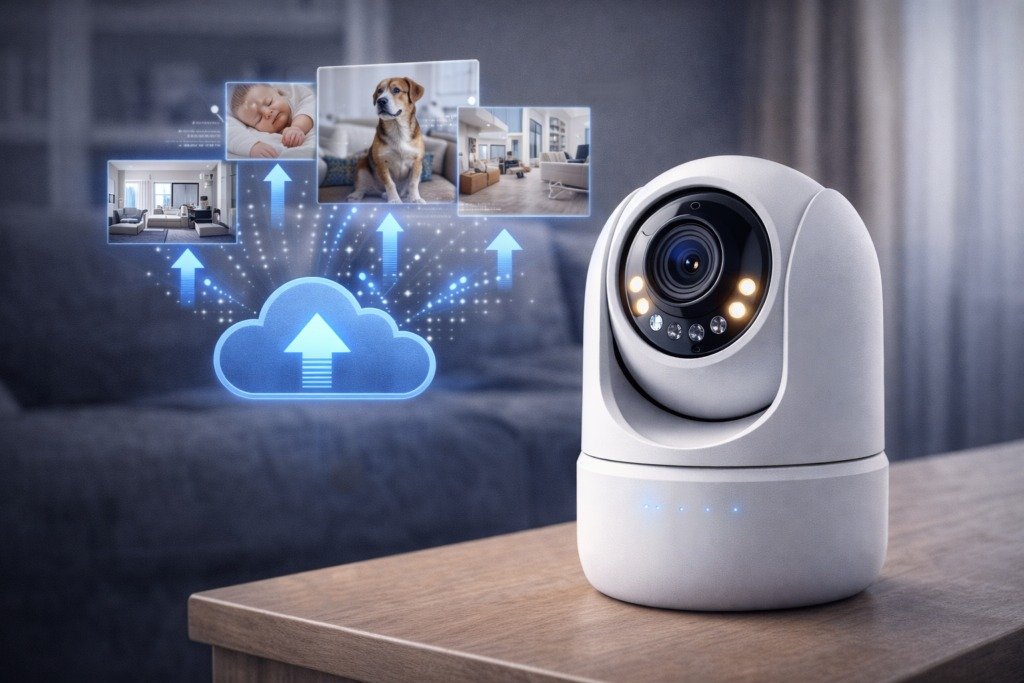
Running power to a security camera in the right spot is sometimes the hardest part of the job. The best camera angle is often the one that has no outlet nearby, no easy cable path through the wall, and no practical way to get electricity there without tearing something apart.
That is the problem
Running power to a security camera in the right spot is sometimes the hardest part of the job. The best camera angle is often the one that has no outlet nearby, no easy cable path through the wall, and no practical way to get electricity there without tearing something apart.
That is the problem solar-powered cameras solve. And in Texas, where the sun shows up reliably for most of the year, they solve it well.
This post covers how solar-powered security cameras reduce both installation costs and long-term energy expenses, where they make the most sense, and what to consider when pairing them with other security components like a security door lock system.
The Real Cost of Wired Camera Installation
Most property owners think about the cost of the camera itself. Fewer think about what it costs to get power to it.
For a camera mounted on a detached garage, a back fence line, a barn, or a remote corner of a commercial parking lot, the wiring work often costs more than the camera. Trenching conduit underground to a detached structure, running cable through finished walls, or hiring an electrician to add a circuit to an outdoor location adds up quickly. In some cases, it makes certain camera positions economically impractical.
Solar-powered cameras remove that calculation entirely. There is no conduit to trench, no outlet to install, and no electrician to schedule before the camera goes up. The panel charges the battery, the camera runs off that battery, and the whole thing transmits footage over Wi-Fi. The installation becomes a mounting job instead of a construction project.
How a Solar-Powered Security Camera Actually Works
A solar-powered security camera uses a small photovoltaic panel, usually mounted nearby or attached directly to the camera housing, to charge an internal or external battery during daylight hours. That stored energy powers the camera through the night and on cloudy days.
Modern solar cameras are designed to manage power efficiently. Motion-triggered recording, sleep modes between events, and compressed video transmission all reduce the power draw so the battery does not run down faster than the panel can recharge it.
What this means in practice:
- The camera operates continuously without drawing from the grid
- There is no monthly energy cost associated with running the device
- Battery backup means the camera keeps recording even during a power outage
- Remote and hard-to-reach locations become viable camera positions
For Texas properties specifically, the solar charging window is long. Average annual sunshine in Central Texas runs well above the national average, which means panels charge reliably for most of the year with minimal loss during winter months.
Where Solar-Powered Cameras Make the Most Sense
Not every camera position needs to be solar. In most installations, cameras near the main structure run on wired power. Solar cameras fill in the gaps.
Here are the locations where solar-powered cameras are most practical:
- Detached garages and outbuildings. Running cable to a structure without an existing electrical connection is one of the most common and expensive wiring jobs. A solar camera eliminates it.
- Fence lines and property perimeters. Long cable runs along a fence are difficult to protect from weather and physical damage. Solar cameras mount wherever the fence line needs coverage without a cable run back to the building.
- Rural and agricultural properties. Farms, ranches, and large rural lots often have acres of land between structures. Solar cameras extend coverage to gates, water sources, equipment storage areas, and outbuildings that would otherwise require significant electrical work.
- Temporary construction and job sites. Job sites need security during construction but have limited power infrastructure. Solar cameras go up fast and come down just as easily when the job is done.
- Vacation and rental properties. A second property with minimal power infrastructure or one that sits vacant for extended periods is a natural fit for solar surveillance.
Energy Savings Over Time
A wired outdoor camera draws power continuously. Over the course of a year, a system with eight to ten wired cameras adds a measurable amount to the monthly electricity bill. It is not enormous, but it is ongoing.
Solar-powered cameras draw nothing from the utility. Over five years, that adds up. For businesses with large camera counts or commercial properties trying to manage operating costs, the savings on electricity become a real number worth calculating.
There is also the avoided cost of electrical infrastructure. A circuit added at a detached structure or a conduit run across a parking lot is a one-time expense that never fully goes away. Choosing solar at those positions means that money stays in the budget.
Pairing Solar Cameras with a Security Door Lock System
Camera coverage and access control work better together than separately. A solar-powered security camera positioned at a gate or entry point captures footage of who comes and goes. A security door lock at the same location controls whether they get through.
Magnetic locks, electric strike locks, and smart lock systems can all be integrated with a camera and intercom setup. When someone approaches a gate or door, the camera records the approach, the intercom lets occupants communicate with the visitor, and the security door lock allows or denies access remotely.
For businesses, this combination covers the full entry point. For residential properties with detached structures, private driveways, or gated access, it adds a layer of control that cameras alone cannot provide.
What Centex Security Cameras Offer
Centex Security Cameras installs solar camera systems for residential and commercial properties across Central Texas. The team works with NDAA-compliant equipment, including solar-powered options with remote access, motion-triggered recording, and clear day-night footage.
For properties that need integrated access control, Centex also handles security door lock installation, including magnetic locks and intercom systems designed to work alongside the camera setup. The result is a coordinated system rather than a collection of separate devices that do not communicate with each other.
Whether the goal is to add coverage to a hard-to-reach location, reduce the cost of expanding an existing system, or build out a complete access and surveillance setup from scratch, the team at Centex handles the full job: site assessment, equipment selection, mounting, and configuration.
Get a Free Quote for Your Property
Texas sun is a valuable resource. Putting it to work for your security system is a practical choice for any property where traditional wiring is costly, difficult, or simply unnecessary. Visit Centex Security Cameras: to request a free quote. The team will assess your property, identify where solar-powered cameras make the most sense, and design a system that provides the coverage you need. You can also visit our GBP Profile to read customer reviews, view service information, and confirm availability across Central Texas. The sun is going to shine tomorrow either way. It might as well help power your security cameras. solve. And in Texas, where the sun shows up reliably for most of the year, they solve it well.
This post covers how solar-powered security cameras reduce both installation costs and long-term energy expenses, where they make the most sense, and what to consider when pairing them with other security components like a security door lock system.
The Real Cost of Wired Camera Installation
Most property owners think about the cost of the camera itself. Fewer think about what it costs to get power to it.
For a camera mounted on a detached garage, a back fence line, a barn, or a remote corner of a commercial parking lot, the wiring work often costs more than the camera. Trenching conduit underground to a detached structure, running cable through finished walls, or hiring an electrician to add a circuit to an outdoor location adds up quickly. In some cases, it makes certain camera positions economically impractical.
Solar-powered cameras remove that calculation entirely. There is no conduit to trench, no outlet to install, and no electrician to schedule before the camera goes up. The panel charges the battery, the camera runs off that battery, and the whole thing transmits footage over Wi-Fi. The installation becomes a mounting job instead of a construction project.
How a Solar-Powered Security Camera Actually Works
A solar-powered security camera uses a small photovoltaic panel, usually mounted nearby or attached directly to the camera housing, to charge an internal or external battery during daylight hours. That stored energy powers the camera through the night and on cloudy days.
Modern solar cameras are designed to manage power efficiently. Motion-triggered recording, sleep modes between events, and compressed video transmission all reduce the power draw so the battery does not run down faster than the panel can recharge it.
What this means in practice:
- The camera operates continuously without drawing from the grid
- There is no monthly energy cost associated with running the device
- Battery backup means the camera keeps recording even during a power outage
- Remote and hard-to-reach locations become viable camera positions
For Texas properties specifically, the solar charging window is long. Average annual sunshine in Central Texas runs well above the national average, which means panels charge reliably for most of the year with minimal loss during winter months.
Where Solar-Powered Cameras Make the Most Sense
Not every camera position needs to be solar. In most installations, cameras near the main structure run on wired power. Solar cameras fill in the gaps.
Here are the locations where solar-powered cameras are most practical:
- Detached garages and outbuildings. Running cable to a structure without an existing electrical connection is one of the most common and expensive wiring jobs. A solar camera eliminates it.
- Fence lines and property perimeters. Long cable runs along a fence are difficult to protect from weather and physical damage. Solar cameras mount wherever the fence line needs coverage without a cable run back to the building.
- Rural and agricultural properties. Farms, ranches, and large rural lots often have acres of land between structures. Solar cameras extend coverage to gates, water sources, equipment storage areas, and outbuildings that would otherwise require significant electrical work.
- Temporary construction and job sites. Job sites need security during construction but have limited power infrastructure. Solar cameras go up fast and come down just as easily when the job is done.
- Vacation and rental properties. A second property with minimal power infrastructure or one that sits vacant for extended periods is a natural fit for solar surveillance.
Energy Savings Over Time
A wired outdoor camera draws power continuously. Over the course of a year, a system with eight to ten wired cameras adds a measurable amount to the monthly electricity bill. It is not enormous, but it is ongoing.
Solar-powered cameras draw nothing from the utility. Over five years, that adds up. For businesses with large camera counts or commercial properties trying to manage operating costs, the savings on electricity become a real number worth calculating.
There is also the avoided cost of electrical infrastructure. A circuit added at a detached structure or a conduit run across a parking lot is a one-time expense that never fully goes away. Choosing solar at those positions means that money stays in the budget.
Pairing Solar Cameras with a Security Door Lock System
Camera coverage and access control work better together than separately. A solar-powered security camera positioned at a gate or entry point captures footage of who comes and goes. A security door lock at the same location controls whether they get through.
Magnetic locks, electric strike locks, and smart lock systems can all be integrated with a camera and intercom setup. When someone approaches a gate or door, the camera records the approach, the intercom lets occupants communicate with the visitor, and the security door lock allows or denies access remotely.
For businesses, this combination covers the full entry point. For residential properties with detached structures, private driveways, or gated access, it adds a layer of control that cameras alone cannot provide.
What Centex Security Cameras Offer
Centex Security Cameras installs solar camera systems for residential and commercial properties across Central Texas. The team works with NDAA-compliant equipment, including solar-powered options with remote access, motion-triggered recording, and clear day-night footage.
For properties that need integrated access control, Centex also handles security door lock installation, including magnetic locks and intercom systems designed to work alongside the camera setup. The result is a coordinated system rather than a collection of separate devices that do not communicate with each other.
Whether the goal is to add coverage to a hard-to-reach location, reduce the cost of expanding an existing system, or build out a complete access and surveillance setup from scratch, the team at Centex handles the full job: site assessment, equipment selection, mounting, and configuration.
Get a Free Quote for Your Property
Texas sun is a valuable resource. Putting it to work for your security system is a practical choice for any property where traditional wiring is costly, difficult, or simply unnecessary. Visit Centex Security Cameras: to request a free quote. The team will assess your property, identify where solar-powered cameras make the most sense, and design a system that provides the coverage you need. You can also visit our GBP Profile to read customer reviews, view service information, and confirm availability across Central Texas. The sun is going to shine tomorrow either way. It might as well help power your security cameras.
Tags : Solar-Powered Cameras