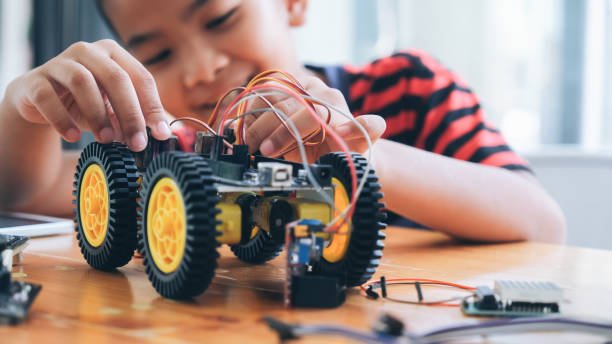
The evolution of toys has moved far beyond traditional dolls and action figures, with technology reshaping how children interact, learn, and play. Smart toys, powered by artificial intelligence, sensors, and connectivity, are becoming an integral part of modern childhood experiences. These toys not only entertain but also promote cognitive development, creativity, and problem-solving skills.
As digital transformation continues to influence consumer products, the demand for interactive and educational play solutions is rising. According to insights from a comprehensive industry analysis on smart toys, the sector is witnessing significant expansion driven by technological innovation and changing parental preferences toward learning-focused toys.
What Are Smart Toys and Why Are They Gaining Popularity?
Smart toys are connected devices embedded with advanced technologies such as AI, machine learning, voice recognition, and IoT capabilities. These toys can interact with children, adapt to their behavior, and provide personalized experiences. From robotic companions to app-controlled games, smart toys offer a dynamic blend of education and entertainment.
The growing popularity of smart toys can be attributed to increased awareness among parents about early childhood development. These toys are designed to improve language skills, enhance memory, and foster creativity. Organizations such as UNICEF highlight the importance of play-based learning in early education, reinforcing the relevance of interactive toys in cognitive growth.
Key Technologies Driving Smart Toy Innovation
Technological advancements are at the core of smart toy development. Artificial intelligence enables toys to understand voice commands and respond intelligently, creating a more engaging experience. Machine learning allows toys to adapt over time based on a child’s interactions, making play more personalized.
Additionally, Internet of Things (IoT) integration allows toys to connect with mobile applications and cloud platforms. This connectivity enables real-time updates, remote control, and enhanced functionality. According to World Economic Forum insights on AI in education, AI-driven tools are significantly impacting how children learn, further supporting the rise of smart toys in educational environments.
Educational Benefits of Smart Toys
One of the most significant advantages of smart toys is their ability to blend learning with play. These toys encourage children to engage in activities that promote critical thinking, logical reasoning, and creativity. Interactive storytelling toys, for instance, enhance language development, while coding-based toys introduce children to basic programming concepts.
Smart toys also support STEM (Science, Technology, Engineering, and Mathematics) education, which is becoming increasingly important in today’s digital world. Institutions like U.S. Department of Education emphasize the need for early STEM exposure, and smart toys serve as an effective tool in building foundational knowledge in these areas.
Changing Consumer Preferences and Parenting Trends
Modern parents are increasingly seeking toys that offer more than just entertainment. There is a growing preference for products that contribute to a child’s intellectual and emotional development. This shift in consumer behavior is driving demand for smart toys that offer interactive and educational features.
Furthermore, the rise of digital-native generations has influenced purchasing decisions. Parents are more inclined to invest in technologically advanced toys that align with the digital environment children are exposed to daily. Research from Pew Research Center highlights how digital exposure is shaping modern parenting, indirectly boosting the adoption of smart toys.
Challenges and Considerations in Smart Toy Adoption
Despite their growing popularity, smart toys also present certain challenges. Data privacy and security concerns remain a significant issue, as many of these toys collect and process user data. Ensuring compliance with child data protection regulations is essential for manufacturers.
Additionally, there are concerns about excessive screen time and dependency on technology. Experts from organizations like the American Academy of Pediatrics recommend balanced usage of digital devices, including smart toys, to ensure healthy development in children.
Future Outlook of Smart Toys
The future of smart toys is closely linked with advancements in artificial intelligence, augmented reality, and immersive technologies. As these technologies continue to evolve, smart toys are expected to become more intuitive, interactive, and personalized.
Emerging trends such as voice-enabled assistants, AR-based gaming, and adaptive learning systems are likely to redefine the toy industry. These innovations will further blur the line between play and education, creating a more holistic learning environment for children.
Conclusion
Smart toys are reshaping the traditional concept of play by integrating technology with education. They offer a unique combination of entertainment and learning, making them an essential part of modern childhood development. As technology continues to advance and consumer preferences evolve, smart toys are expected to play a significant role in shaping the future of interactive learning experiences.
With increasing emphasis on cognitive development and digital literacy, the adoption of smart toys is set to grow steadily. However, addressing concerns related to privacy and balanced usage will be crucial in ensuring their long-term sustainability and acceptance.