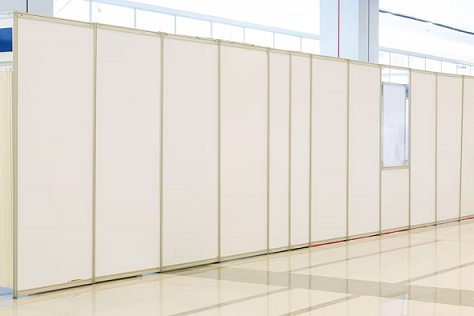
Many building managers focus on the design of an acoustic wall system but overlook what happens after installation. Yet even a high-quality movable wall can lose sound control over time if it does not receive proper care.
Small issues such as worn seals, damaged tracks, or poor panel alignment can reduce acoustic performance and create unwanted noise transfer between rooms. As a result, meeting spaces, conference rooms, schools, and hotels may struggle to maintain privacy and comfort.
The good news is that regular movable wall servicing helps prevent these problems before they affect performance. It keeps systems operating smoothly while protecting the acoustic rating they were designed to deliver.
Why Acoustic Performance Matters in Modern Spaces
Modern buildings need flexibility. Organisations deploy movable partition walls to create adaptable spaces which transform into different arrangements for their daily operational requirements.
Acoustic performance affects:
- Meeting confidentiality
- Learning environments
- Guest comfort in hotels
- Productivity in offices
- Noise management in public spaces
When a movable wall performs well, people can use adjacent rooms without distraction. When performance drops, conversations, presentations, and activities become harder to manage.
How Servicing Fixes Acoustic Problems
Many acoustic issues develop slowly as movable walls experience regular use. Fortunately, professional servicing can correct these problems and restore sound performance.
Fixing the Drop Seals
At the base of every panel, drop seals create a barrier which stops sound from escaping through the usual openings. The internal spring will lose its strength over the years until it fails to produce the same amount of force.
During servicing, technicians adjust or replace worn components. The seal achieves proper floor contact through this method, which also enhances its ability to block sound transmission.
Getting Panels Back in Line
Small movements of panels will produce openings which separate the different sections. Once this happens, sound can pass through much more easily.
During maintenance work, technicians verify the exact position of all panels which appear in the system. Correct alignment helps seals connect properly and restores acoustic performance.
Cleaning the Tracks
The movement of panels becomes difficult when ceiling tracks accumulate dust and debris inside them. The panels fail to reach their final position when they do not achieve full closing and locking functionality.
Cleaning and lubricating the tracks allows smooth operation. This ensures panels sit correctly and keeps the acoustic seals working as intended.
The Key Components Checked During Movable Wall Servicing
Technicians assess several components that directly affect performance, reliability, and acoustic control.
Track Systems
The track system supports the weight of the panels and guides their movement. Any issue within the track can affect operation and sound performance.
Technicians check:
- Alignment
- Signs of wear
- Loose fixings
- Structural stability
Acoustic Seals
Acoustic seals play a vital role in preventing sound leakage between spaces. Even minor seal damage can reduce the wall's effectiveness.
Technicians inspect:
- Wear and tear
- Compression issues
- Physical damage
- Correct deployment
Panel Alignment
Panels must align perfectly to create a continuous acoustic barrier. Small gaps can allow sound to travel through the system.
Technicians assess:
- Panel positioning
- Joint alignment
- Contact between panels
- Overall wall configuration
Suspension Components
Rollers, carriers, and suspension parts are under constant stress during operation. Regular checks help identify wear before failures occur.
Technicians examine:
- Rollers
- Carriers
- Suspension assemblies
- Moving hardware
How Acoustic Movable Wall Maintenance Experts Improve Performance
The acoustic movable wall maintenance experts track how different wall components influence both system functionality and sound reduction capabilities.
Expert Assessments Deliver Better Outcomes
Specialists can spot issues that others may miss. They check performance, assess seals, identify wear, and recommend repairs before problems grow.
Preventive Maintenance Reduces Future Costs
Regular inspections help catch small faults early. This reduces downtime, prevents costly repairs, and helps maintain long-term performance.
Long-Term Benefits of Regular Movable Wall Servicing
Regular servicing offers more than improved acoustic performance. The system maintains its operating efficiency, reliability and cost-effectiveness through all its operational years.
Longer System Lifespan
Routine maintenance reduces wear on key components. This system protects against early breakdowns while it maintains its operating functionality for an extended period.
Better Reliability
A well-maintained wall operates smoothly and safely. Users can open and close panels with confidence.
Lower Ownership Costs
Preventive maintenance helps avoid major repairs. As a result, long-term maintenance costs are often lower.
Consistent Acoustic Performance
Regular servicing helps maintain effective sound insulation. This ensures the wall continues to perform as intended over time.
How to Pick the Right Servicing Provider in Singapore
Not every maintenance company knows how acoustic movable wall systems work. When choosing a provider, look for:
- Experience with your specific wall brand and model
- Genuine replacement parts, especially drop seals
- A written service report after every visit
- Before-and-after acoustic test results
In Singapore, some providers focus only on movable partition systems. Working with a specialist rather than a general contractor makes a real difference to the quality of the work.
Conclusion
The acoustic performance of a building requires more than just high-quality wall construction. Regular inspections, together with adjustments and repairs, stop minor problems from developing into major issues. The sound control system depends on all its components, which include drop seals and panel alignment mechanisms.
Buildings achieve continuous sound insulation performance through the routine of movable wall servicing, which also extends their operational lifespan. The wall will maintain its designed functionality through proper maintenance activities, which extend its operational life.
Frequently Asked Questions
What does movable wall servicing include?
The maintenance check follows a scheduled plan to inspect all moving and sealing components which belong to partition walls. The service includes drop seal replacement, panel alignment work, ceiling track maintenance and edge gasket replacement.
How do I know if my wall needs a service?
Users should watch for increasing sounds between rooms and panels which resist proper locking, visible floor and ceiling gaps, and when the wall becomes difficult to move. Staff members should arrange a sound inspection when they observe that noise from their work areas spreads across different rooms.
Can servicing bring back the original acoustic rating?
In most cases, yes. Most acoustic loss comes from worn seals and shifted panels rather than structural damage. The machine returns to its initial performance level after seal replacement and alignment correction work.
How long does a service visit take?
For a standard commercial wall, most visits take two to four hours. The repair process will need additional time to finish when the system becomes larger or when the wall shows significant deterioration.
Tags : .....