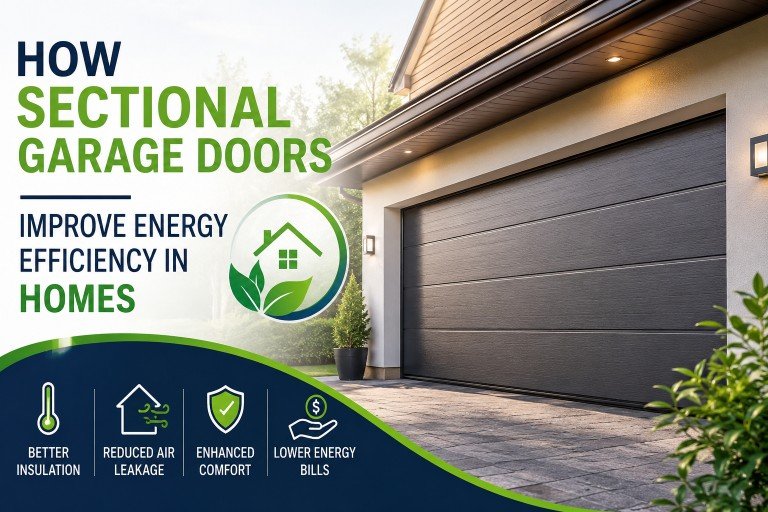
Modern homeowners are constantly searching for ways to improve comfort, reduce energy bills, and enhance the overall value of their properties. One often overlooked feature that can make a noticeable difference is the garage door. Since garages are frequently attached to homes, poor insulation and outdated doors can allow heat to escape during winter and let excessive warmth enter during summer. This is where Sectional Garage Doors have become an increasingly popular solution.
Unlike traditional single-panel garage doors, sectional models are designed with multiple insulated panels that move vertically along tracks. Their advanced structure not only improves convenience but also contributes significantly to energy efficiency. Many modern systems now combine insulation, weather sealing, and automation to create a more controlled indoor environment. According to information available from HD Doors, insulated garage doors are becoming more common because of their strong thermal performance and security features.
Better Insulation for Temperature Control
One of the biggest reasons homeowners choose sectional designs is their superior insulation. Traditional garage doors often leave gaps around the edges and are typically made with thin materials that offer little protection against outdoor temperatures. In contrast, modern sectional doors commonly feature insulated steel panels filled with foam cores.
Many manufacturers use panels that are approximately 40mm to 67mm thick, helping reduce heat transfer between the garage and the outside environment. This added insulation is especially valuable for homes with attached garages because temperature fluctuations in the garage can directly affect nearby living spaces.
By maintaining a more stable internal temperature, homeowners may rely less on heating and cooling systems, potentially lowering energy costs throughout the year.
Reduced Draughts and Air Leakage
Air leaks are a common issue with older garage doors. Even small gaps around the edges can allow cold air, rain, dust, and moisture to enter the garage. Over time, this can make the space uncomfortable and increase heating demands inside the home.
Modern sectional systems are designed with advanced sealing technology. Flexible weather seals around the frame and between door panels help create a tighter barrier against outside conditions. The vertical opening mechanism also allows the door to fit more securely against the frame compared to many traditional alternatives.
Industry sources frequently highlight the draught-proof properties of sectional garage doors as one of their strongest advantages.
This improved sealing is particularly useful in regions with colder winters or heavy rainfall, where energy efficiency and moisture control are important concerns.
Improved Use of Garage Space
Garages are no longer used solely for parking vehicles. Many households now transform garages into workshops, gyms, storage areas, hobby rooms, or utility spaces. Since these areas are occupied more frequently, maintaining comfortable temperatures becomes increasingly important.
Because sectional doors open vertically and slide neatly along ceiling tracks, they maximize usable space both inside and outside the garage. This design also eliminates the outward swing associated with traditional up-and-over doors. As a result, homeowners can park closer to the entrance while still enjoying efficient insulation and easier access.
The flexibility of the design makes it easier to convert garages into practical living or working areas without sacrificing thermal efficiency.
Enhanced Thermal Performance Throughout the Year
Seasonal temperature changes can significantly affect energy consumption inside homes. During winter, cold air entering through poorly insulated garage spaces can make nearby rooms harder to heat. In summer, excessive heat buildup inside the garage may increase indoor cooling demands.
High-quality insulated sectional systems help moderate these temperature swings. Foam-filled panels reduce thermal transfer while weather seals minimize external air infiltration. Together, these features create a more energy-efficient barrier between indoor and outdoor environments.
Some premium options even include advanced thermal breaks and insulated glazing solutions for homeowners looking to achieve maximum performance. Many suppliers also provide custom finishes and panel designs without compromising insulation standards.
Noise Reduction Benefits
Energy efficiency is not the only advantage associated with insulated garage doors. Improved insulation often contributes to quieter operation and reduced external noise. Foam-filled panels can help dampen sounds from traffic, weather, and nearby activity.
This can be especially beneficial for homes where bedrooms or living spaces are located above or beside the garage. Quiet operation is another reason why many homeowners upgrade to sectional systems, particularly when combined with automation features.
In addition, insulated doors may reduce vibrations and rattling that are common with older non-insulated designs.
Compatibility with Smart Automation
Modern garage technology has evolved considerably in recent years. Many homeowners now prefer automated systems that allow remote operation through smartphones, keypads, or wireless controls.
Automated sectional systems are particularly attractive because they combine convenience with improved energy performance. Drivers can open and close the garage without leaving their vehicles, reducing unnecessary exposure to cold or rainy weather. Some advanced systems even integrate with smart home technology for additional convenience and security.
Companies such as HD Doors also highlight the smooth and quiet functionality of automated sectional systems, which further enhances user comfort.
Long-Term Value for Homeowners
Investing in energy-efficient upgrades can increase property appeal and long-term value. Buyers are becoming more conscious of insulation quality, heating costs, and sustainability features when evaluating homes.
Modern garage doors contribute positively to curb appeal while also offering practical benefits such as durability, security, and lower maintenance requirements. Many sectional models are made from galvanized steel or other long-lasting materials designed to withstand changing weather conditions.
In addition to energy savings, homeowners may benefit from improved comfort, quieter operation, and enhanced security features. These combined advantages make sectional garage doors a worthwhile consideration for many residential properties.
Conclusion
Energy efficiency has become an essential factor in modern home improvement decisions, and garage doors play a larger role than many people realize. With insulated panels, weather-resistant seals, space-saving operation, and smart automation compatibility, sectional systems offer a practical solution for homeowners seeking greater comfort and reduced energy waste.
As garages continue evolving into multifunctional spaces, the demand for better insulation and improved performance is likely to grow even further. Whether used for storage, parking, or additional living space, a well-designed garage door can contribute significantly to a more energy-efficient home.
FAQs
1. Are sectional garage doors more energy efficient than traditional garage doors?
Yes, sectional designs typically provide better insulation and sealing compared to many traditional single-panel doors, helping reduce heat loss and air leakage.
2. Do insulated garage doors help lower energy bills?
Insulated garage doors can help maintain more stable indoor temperatures, which may reduce heating and cooling costs over time.
3. Can sectional garage doors be automated?
Yes, most modern sectional systems are compatible with automated openers and smart control technology.
4. Are sectional garage doors suitable for small driveways?
Yes, because they open vertically instead of swinging outward, they are ideal for homes with limited driveway space.
5. How long do sectional garage doors usually last?
With proper maintenance, high-quality sectional garage doors can last many years due to their durable construction and weather-resistant materials.
Tags : .....