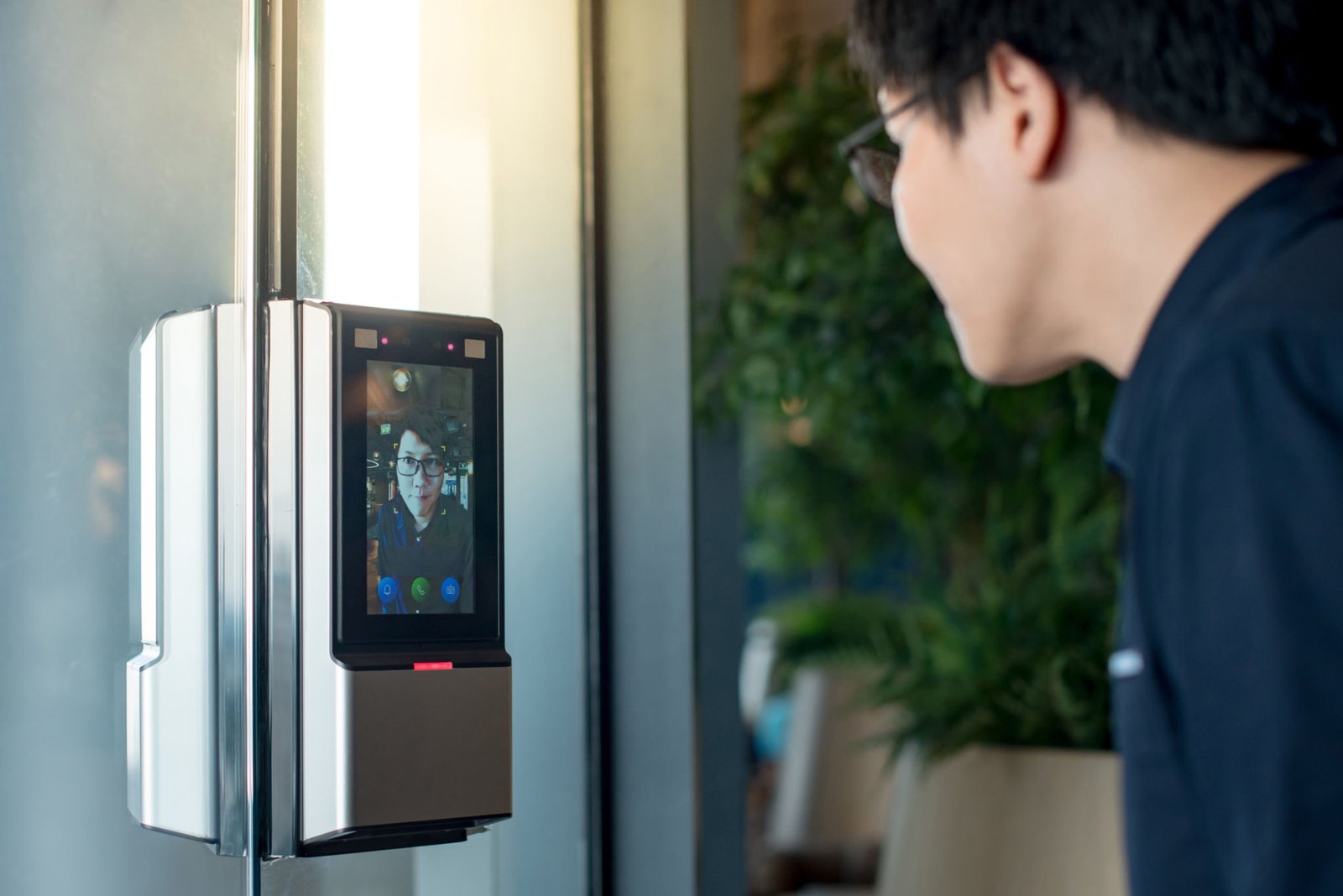
People look for safer and quicker ways to enter residential buildings as housing designs continue to evolve. Many places explore digital tools that help people move through shared areas with little delay while still protecting those inside. Modern systems now guide daily entry with smooth steps and simple processes, helping people feel secure at any hour. These changes shape a fresh style of access control that supports both convenience and safety in shared living spaces.
This is why many buildings explore new options, with some choosing face recognition door access to guide daily entry. This type of access uses unique facial patterns to confirm identity. It also works quickly and provides strong security that protects shared doors and entry points. As buildings adopt digital tools, this method becomes a trusted part of many modern housing spaces.
Buildings Shift Towards Facial Entry Systems
Residential buildings introduce facial entry systems because people value strong security and seamless movement. These systems protect shared areas by confirming that only approved individuals enter. They also increase comfort by removing the need for keys or cards that may break or go missing. This builds trust in the living environment and reduces stress around lost items or broken access tools.
Buildings gain strong benefits by adopting secure methods. They improve safety at doors, encourage smooth daily flow, and reduce delays during busy moments. They also bring structure to entry points in ways that support healthy living standards. These systems help keep movement controlled without slowing people down.
These ideas help explain why facial entry grows in housing spaces:
- Strong verification protects shared housing areas.
- Quick entry supports simple movement through doors.
- Reliable checks reduce stress linked to lost keys.
These advantages shape a safer and more controlled living environment that supports structure and comfort.
Facial Patterns Support Reliable Entry
Facial recognition tools identify a person by scanning key points on the face. Systems use light-based sensors to capture clear details and match them with stored patterns. This step confirms identity and grants access through the entry point. Smooth design makes the process simple for people moving through the door, which strengthens comfort while keeping tight security.
These tools work with precision because facial features hold unique shapes that stay stable through daily life. People gain simple access without pulling out any physical item. As they move, the system confirms identity almost instantly and supports a quick entry flow.
These ideas explain how the system supports reliable checks:
- Facial points guide identity checks with accuracy.
- Light sensors capture distinct patterns.
- Quick matching supports smooth door entry.
These steps bring strong reliability to residential doors and help buildings maintain strict control.
Why biometric door access Works Well in Housing Areas?
Many buildings explore biometric door access because it creates secure boundaries without slowing movement. This system links access to unique traits rather than objects that may fade or break. Strong control brings a structured entry path that supports protection and convenience at the same time. Residential spaces benefit from this balance because it keeps shared doors safe while allowing smooth daily flow.
People feel greater trust when they know only approved individuals may enter. This improves comfort and helps people feel secure. It also creates a streamlined experience for those passing through doors each day.
These ideas explain why biometric systems support housing spaces:
- Unique traits create strong checks.
- Systems maintain steady movement at the doors.
- Tools reduce issues linked to missing items.
These points support a healthier living space with reliable access control.
How does face recognition door access for apartments Supports Daily Life?
Many buildings adopt face recognition door access for apartments to guide residents through busy entry points. This type of system grants entry through facial traits and removes the need for manual steps. People approach the door while the system verifies identity, creating a friendly and smooth experience for daily use.
Apartments benefit from these tools because they support strong protection without slowing movement. People enter faster, and buildings maintain tight control over who passes through shared areas. The process reduces delays and encourages a more comfortable pace of movement.
These ideas highlight why apartments value facial access:
- Facial tools simplify movement through shared halls.
- Quick checks support steady routines.
- Strong control protects shared apartment spaces.
These ideas show why facial systems help create a secure and supportive living environment.
Core Features Seen in Most Facial Entry Systems
Before exploring the table, it helps to know that these systems blend sensors, matching tools, and clear interfaces that guide people through doors with little delay. These features strengthen building safety and improve daily routines for those who live inside.
These features work together to create a safe and convenient access system for housing environments.
How Safety Improves Through Digital Checks?
Security grows when buildings use tools that verify identity with precise detail. Facial systems help identify each person based on facial structure, making it difficult for unauthorised individuals to enter. Entry points stay protected because each attempt follows a strict check guided by unique traits.
People feel secure knowing their door system tracks who enters and when. This supports responsibility within shared spaces and encourages safe living. Smooth checks help people move through doors quickly while still keeping strong boundaries.
These ideas explain how these tools raise safety:
- Detailed scans help block unauthorised entry.
- Logs support safe building management.
- Fast checks protect doors without slowing the flow.
These steps strengthen safety while allowing smooth daily movement.
Why Residential Buildings Value Touch-Free Entry?
Touch-free access reduces the need to handle shared surfaces. People approach the entry point, and the system confirms identity without physical contact. This lowers contact-based risks and makes movement more natural.
Touch-free access also helps those carrying bags or guiding young children. They move through doors smoothly because the system verifies identity without manual steps. This supports comfort and brings ease to daily routines.
These ideas explain why touch-free access holds strong value:
- Hands-free entry supports comfort.
- Reduced contact supports cleaner routines.
- Fast checks keep the flow steady.
These points show how facial entry systems create a clean and supportive daily experience.
Conclusion
Residential buildings embrace facial access systems because they create strong protection while supporting smooth movement. These systems confirm identity through unique facial traits and help people pass through doors with speed and comfort. Technology shapes a positive living experience by keeping shared areas secure and removing the need for physical keys. People benefit from smoother routines, strong boundaries, and steady control that support both convenience and safety as buildings grow more advanced.
FAQs
1. How does facial entry help daily apartment access?
Facial entry helps people move through doors with quick checks that support smoother routines and protect shared spaces.
2. Why do buildings choose biometric tools?
Buildings choose biometric tools because they strengthen identity checks, reduce issues linked to lost items, and support safer shared areas.
3. Does facial entry work quickly in busy areas?
Yes, facial entry works at a steady speed and helps people pass through doors without delay during busy times.
4. How do these systems improve safety?
These systems improve safety by verifying identity with precision, tracking entry activity, and protecting doors with strong control.
Tags : face recognition door access