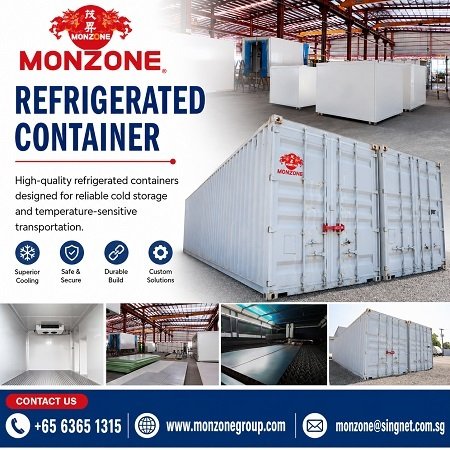
A refrigerated container maintains precise temperature and humidity levels throughout transit, protecting perishable goods from spoilage, bacterial growth, and quality loss. By creating a controlled cold environment, these units ensure food products reach their destination in the same condition they left — safe, fresh, and compliant with food safety standards.
For food manufacturers and retailers, that level of control is not optional. It is the foundation of every successful cold chain operation.
Why Temperature Control Is a Non-Negotiable in Food Logistics
Food safety incidents are rarely random. Most spoilage, contamination, and quality failures trace back to temperature breaks during transit. When perishable goods — whether dairy, fresh produce, seafood, or pharmaceuticals — are exposed to fluctuating temperatures, the consequences are both costly and dangerous.
In India, post-harvest food losses are estimated at 16–18% for fruits and vegetables, with a significant portion attributed to inadequate cold chain infrastructure. The economic loss runs into thousands of crores annually — most of which could be avoided with the right refrigerated logistics setup.
Temperature-sensitive products need more than just a cold space. They need consistent, monitored, and verifiable cold environments from the point of origin to the final delivery point.
What Makes a Refrigerated Container Different from Standard Storage
A standard dry container offers protection from external elements — rain, dust, rough handling. A reefer container does all of that and more. It actively manages the internal environment, making it a mobile cold storage unit capable of operating across land and sea.
Core Features That Protect Product Integrity
- Precision temperature range: Most reefer units operate between -30°C and +30°C, covering everything from frozen meat to fresh flowers.
- 1. Humidity control: Excess moisture causes mould; insufficient humidity dries out produce. Reefer containers regulate both.
- 2. Ventilation management: Fresh air exchange settings reduce ethylene build-up in fruit shipments, slowing ripening.
- 3. Real-time monitoring: Modern units include data loggers that record temperature at set intervals, creating an auditable cold chain record.
- 4. Insulated walls and flooring: High-density polyurethane insulation minimises heat transfer even in high-ambient-temperature environments like coastal Indian ports.
Together, these features create a self-contained climate that travels with the cargo — something no standard warehouse shelf or dry container can replicate.
How Refrigerated Containers Support Food Safety Compliance
Regulatory expectations around food cold storage have tightened considerably. In India, the Food Safety and Standards Authority of India (FSSAI) mandates specific temperature controls for various food categories under its Food Safety and Standards (Licensing and Registration) Regulations. Businesses handling perishables — from importers to domestic distributors — are expected to demonstrate traceability and temperature compliance across the supply chain.
Reefer containers directly support this compliance in three ways:
- Documented temperature history: Data loggers provide continuous records that can be submitted during audits or customs inspections.
- Consistent standards across legs: Whether a shipment moves by sea, rail, or road, the same container maintains the same parameters — no handoff temperature gaps.
- Reduced risk of regulatory rejection: Shipments with verified cold chain documentation face fewer delays at ports and distribution checkpoints.
For exporters shipping to markets in Europe, the Middle East, or Southeast Asia, meeting the cold chain documentation standards of importing countries is a commercial necessity — not just a best practice.
The Real Cost of Getting Cold Chain Wrong
The financial impact of a cold chain failure extends well beyond the spoiled cargo. Consider what actually happens when a reefer unit malfunctions or the wrong container type is used:
| Failure Type | Immediate Impact | Downstream Consequence
|
|---|---|---|
| Temperature excursion during transit | Product spoilage or bacterial growth | Rejected shipment, financial loss, customer churn |
| Humidity imbalance | Mould, wilting, or dehydration | Reduced shelf life, retailer complaints |
| Inadequate documentation | Customs hold or regulatory rejection | Delays, demurrage charges, brand reputation damage |
| Wrong temperature setting | Texture or flavour degradation | Consumer complaints, returns, recall risk |
Each failure scenario has a compounding effect. A single rejected container can damage relationships with retail buyers that took years to build.
Reefer Transport Across Product Categories: What Changes and What Stays the Same
Not all refrigerated cargo behaves the same way. Understanding product-specific requirements is where operational expertise really matters.
Fresh Produce
Fruits and vegetables are living organisms — they continue to respire after harvest. Reefer containers for fresh produce typically operate between 2°C and 8°C with controlled ventilation to manage ethylene levels. Mangoes, for instance, require careful temperature staging to prevent chilling injury while slowing ripening during long-haul export.
Seafood and Meat
These categories demand near-freezing or fully frozen conditions, often between -18°C and -25°C. Any temperature deviation accelerates bacterial proliferation, particularly in fish. The margin for error is narrow, and the reefer unit must maintain stable conditions even during port waiting periods in humid coastal climates.
Dairy and Processed Foods
Cheese, butter, and ready-to-eat meals typically travel at 2°C to 6°C. Processed food manufacturers exporting to modern retail formats need reefer transport that maintains brand-standard shelf life, not just basic preservation. A few degrees variance can mean the difference between a 21-day shelf life and a 14-day one — a significant commercial difference for retail buyers.
Choosing the Right Reefer Container Partner
Equipment quality matters. So does the expertise behind it. When evaluating a reefer container provider, food manufacturers and retailers should look for:
- Pre-trip inspection (PTI) protocols before every shipment
- Availability of gensets for power continuity during inland transport
- Access to real-time remote monitoring and temperature alert systems
- Flexible container sizing — 20-foot and 40-foot options to match shipment volumes
- Proven track record in handling the specific product category being shipped
Generic cold storage solutions often fall short when product specifications are tight or shipment routes are complex. Sector-specific experience — knowing, for instance, how a tropical port environment affects reefer performance — is the kind of detail that separates reliable partners from average ones.
Protecting Quality Is a Strategic Advantage
Retailers and food manufacturers who invest in proper refrigerated logistics don't just avoid loss — they build a supply chain that supports growth. Consistent product quality creates repeat purchasing, strengthens retailer relationships, and enables compliance with export destination requirements.
As organised retail expands across Tier 2 and Tier 3 cities in India, the demand for reliable cold chain infrastructure is growing in parallel. Businesses that standardise on verified reefer transport now will be better positioned to scale without sacrificing quality or compliance.
Monzone Group offers purpose-built reefer container solutions designed for the demands of modern food supply chains — combining the right equipment with the operational expertise to keep product quality intact from origin to destination.
Frequently Asked Questions
What temperature does a refrigerated container maintain?
Most reefer containers operate across a range of -30°C to +30°C, depending on the cargo type. Frozen products like seafood are held at -18°C to -25°C, while fresh produce typically travels between 2°C and 8°C. The exact setting depends on product specifications and transport duration.
How does a reefer container differ from regular cold storage?
A reefer container is a mobile, self-contained cold unit that moves with the cargo through multiple transport modes — ship, truck, or rail. Unlike fixed cold storage warehouses, it eliminates temperature gaps between loading points and maintains a continuous controlled environment throughout the journey.
Are refrigerated containers compliant with FSSAI requirements in India?
Yes. When properly operated and documented, reefer containers support FSSAI cold chain compliance by maintaining required temperatures and providing data logger records. Businesses must ensure container settings align with FSSAI-specified temperature categories for their product type and retain documentation for audit purposes.
What causes cold chain failure during reefer transport?
Common causes include improper pre-cooling of cargo before loading, incorrect temperature settings, power interruptions during inland transport, and inadequate pre-trip inspection of the unit. Choosing a logistics partner with strict PTI protocols and backup genset availability significantly reduces these risks.
Can one reefer container handle multiple product types?
Not simultaneously. Each reefer container is set to a single temperature profile for a given shipment. Mixing product types with different temperature requirements in the same unit can compromise quality for one or both cargo types. Separate containers with product-specific settings are the correct approach.
How does humidity control in a reefer container protect food quality?
Excess humidity promotes mould growth on fresh produce and packaged foods, while too little moisture causes dehydration and weight loss. Reefer containers with active humidity management maintain the precise moisture balance each product category needs, directly extending shelf life and preserving visual quality on arrival.
Tags : refrigerated container