How Professional Termite Inspectors Find Infestations Behind Walls
By G & G Exterminating 01-06-2026 104
You can have thousands of termites eating through your home's framing right now and never see a single one. That's not an exaggeration. Termites work inside wood, behind drywall, and beneath flooring. By the time you notice sagging floors or paint that looks slightly bubbled, the colony may have been active for years.
So, how do professional inspectors actually find something that hides this well? The process is more methodical than most homeowners expect, and understanding it helps you know what to look for before you call.
Why Termites Are So Hard to Spot on Your Own
Most homeowners catch termite problems late because termites avoid open air. They tunnel through wood and travel inside mud tubes along foundation walls. These tubes are roughly the diameter of a pencil and blend easily into concrete or brick.
Subterranean termites, which are the most common type in Ohio, build their colonies underground and travel up into structures. Drywood termites live entirely within the wood they're eating. Both types can go months or years without showing obvious signs to an untrained eye.
The damage they do is real. The National Pest Management Association estimates termites cause around $5 billion in property damage across the US each year. Most of that damage is not covered by homeowner's insurance.
What a Professional Termite Inspection Actually Covers
When a trained inspector arrives at your property, they work through a systematic checklist. They are not just glancing around. Here's what a thorough inspection includes:
- Foundation perimeter check: Inspectors walk the outside of the structure looking for mud tubes on the foundation walls, in crawl spaces, and around utility entry points.
- Wood-to-soil contact points: Any place where wood touches the ground is a priority. Deck posts, porch framing, and wooden steps are common entry zones.
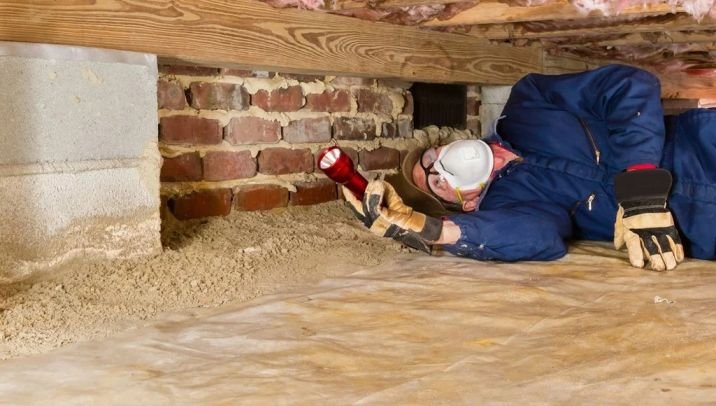
- Interior crawl space examination: Inspectors get into crawl spaces and check joists, beams, and subfloor for tunneling, soft wood, or frass (termite droppings that look like sawdust or sand).
- Basement and sill plate inspection: The sill plate sits directly on the foundation and is often the first structural wood termites reach.
- Wall and floor tapping: Inspectors tap along baseboards and walls, listening for hollow sounds that indicate wood has been eaten from the inside.
- Moisture meter readings: Termites need moisture to survive. Inspectors use meters to find wet wood, which signals both conditions termites prefer and possible current activity.
- Probe testing: A metal probe or screwdriver pressed into suspicious wood will sink in easily if termites have hollowed it out.
The Tools Professionals Use That You Don't Have at Home
Beyond their trained eye, inspectors carry equipment that makes detection far more reliable.
Thermal imaging cameras detect temperature differences inside walls. Active termite galleries produce slight heat changes that show up clearly on a thermal scan without cutting into drywall.
Acoustic detection devices pick up the vibrations termites make while feeding inside wood. The sound is faint, essentially a quiet clicking or rustling, but specialized microphones can isolate it.
Borescopes are small cameras on flexible cables that inspectors thread into wall voids through small drilled holes to look directly for activity without major demolition.
Moisture meters identify wet wood long before it's visible on the surface.
These tools explain why a professional inspection catches infestations that homeowners miss for years. It's not magic. It's equipment and training.
Where Termites Hide Most Often in Cleveland Homes
Cleveland's climate, with wet springs and humid summers, creates good conditions for subterranean termite activity. Older housing stock with wood foundations or stone and mortar basements adds additional risk. Inspectors in this region pay close attention to:
- Basement rim joists and sill plates
- Window and door frames at or near grade level
- Wood mulch is kept too close to the foundation.
- Older wooden porches attached to the structure.
- Utility penetrations where pipes enter from outside
If you're dealing with bed bugs in Cleveland on top of a potential termite issue, it's worth scheduling a full pest inspection at the same time. A complete property evaluation addresses multiple threats in one visit rather than piecing it together later.
What Happens After an Infestation Is Found
Finding termites is only the first step. Treatment options depend on the species, the extent of the damage, and the construction of your home.
Liquid soil treatments create a chemical barrier in the soil around the foundation. Termites crossing into the treated zone pick up the product and carry it back to the colony.
Bait systems place stations in the ground around the property. Termites feed on the bait and share it with the colony, eventually eliminating it from the source.
Wood treatments apply borate-based products directly to exposed wood in crawl spaces and attics, killing active termites and deterring new ones.
For a home with significant structural involvement, treatment may be paired with repairs to beams or floor framing. A licensed pest control company helps you understand what's structurally damaged versus what's just surface cosmetic.
G & G Exterminating: Cleveland's Trusted Pest Control Team
G & G Exterminating has been serving the Cleveland area for years, handling everything from termite inspections to full elimination programs. They also handle bed bug home inspections in Cleveland for homeowners dealing with multiple pest issues at once.
Whether you need a bed bug removal service in Cleveland, a termite inspection, or a comprehensive pest evaluation, G&G brings experienced technicians who know the local housing stock and the pest pressures specific to Northeast Ohio.
Their team works with homeowners who have never dealt with bed bugs in Cleveland before and with property managers who need regular commercial inspections. The approach is thorough, clearly communicated, and focused on actual results rather than repeat callbacks.
If you're seeing signs of termite activity, or if you want a baseline inspection before you buy or sell a home, there's no good reason to wait. Termite damage compounds over time, and early detection is always less expensive than treating a long-established colony.
Schedule Your Free Pest Inspection Today
If pest activity in your home has been an ongoing concern, or if you want a professional inspection before a problem develops, G & G Exterminating offers free quotes for residential pest control services.
Visit their website to schedule your free quote and find out what a complete home pest inspection in Cleveland reveals about your property.