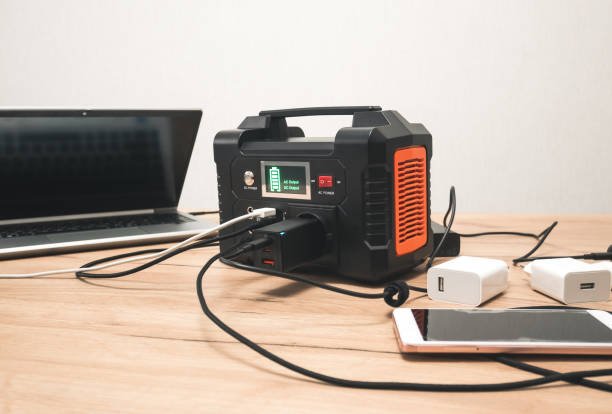
Portable power stations are becoming an increasingly practical solution for consumers and businesses seeking flexible energy access beyond conventional grid infrastructure. These compact energy storage systems are widely used for outdoor recreation, emergency backup, remote workspaces, and mobile applications where uninterrupted electricity is essential. Growing awareness of clean energy alternatives and rising concerns about grid reliability are contributing to broader adoption across developed and emerging economies.
Advancements in battery technology, lightweight designs, and solar charging compatibility have also strengthened the appeal of portable power stations. As more consumers prioritize energy efficiency and mobility, manufacturers are focusing on high-capacity lithium-ion systems capable of supporting multiple electronic devices simultaneously. According to a recent portable power station industry analysis.
Growing Demand for Reliable Backup Power
Frequent power outages caused by extreme weather conditions, aging electricity infrastructure, and rising energy demand have encouraged households and commercial users to adopt portable backup solutions. Unlike conventional fuel generators, portable power stations operate quietly and produce lower emissions, making them suitable for indoor and outdoor environments.
In regions vulnerable to hurricanes, storms, and wildfires, portable power stations are increasingly being used to maintain connectivity and support essential appliances during emergencies. The increasing emphasis on energy resilience is expected to remain a key growth factor for the industry over the coming years. Industry observations from energy storage research platforms indicate that consumers are increasingly preferring rechargeable battery-based alternatives over fuel-powered systems for temporary energy support.
Outdoor Recreation and Mobile Lifestyles Supporting Adoption
The rising popularity of camping, RV travel, van life, and outdoor recreational activities has significantly contributed to the demand for portable power stations. Modern consumers increasingly require dependable electricity access for smartphones, drones, laptops, portable refrigerators, and communication devices while traveling.
Portable power stations provide a convenient off-grid solution without the operational limitations associated with traditional generators. Their portability, compact design, and compatibility with solar panels have made them particularly attractive for outdoor enthusiasts seeking sustainable energy alternatives.
Industry reports also suggest that participation in outdoor recreational activities continues to increase globally, creating favourable conditions for manufacturers offering lightweight and fast-charging portable energy systems.
Lithium-Ion Technology Driving Product Innovation
Lithium-ion batteries have become a major technological advancement within the portable power station industry. Compared to conventional sealed lead-acid batteries, lithium-ion systems offer higher energy density, faster charging, reduced weight, and improved operational lifespan.
Manufacturers are increasingly investing in lithium iron phosphate (LiFePO4) technologies due to their enhanced safety profile and long-term durability. These innovations are supporting the development of higher-capacity systems capable of powering multiple devices for extended durations.
Several portable power station providers are also integrating smart energy management systems, app-based monitoring, and solar charging capabilities into their products. These advancements are improving efficiency while enabling users to manage power consumption more effectively. Technology-focused product developments highlighted by industry sources continue to emphasize faster charging speeds and improved portability.
Role of Renewable Energy Integration
The integration of renewable energy sources, particularly solar charging, is shaping the future direction of portable power solutions. Consumers and businesses are increasingly seeking cleaner alternatives that align with sustainability goals and reduced dependence on fossil fuels.
Solar-compatible portable power stations are gaining popularity for off-grid applications, disaster response operations, and temporary field deployments. These systems allow users to recharge batteries using portable solar panels, reducing operational costs while enhancing energy independence.
Government initiatives supporting renewable energy adoption and carbon reduction targets are also contributing to the broader acceptance of battery-based portable energy solutions. Across several countries, investments in decentralized energy infrastructure continue to support innovation in portable and backup energy storage technologies.
North America Maintaining Strong Industry Presence
North America remains one of the leading regions in the portable power station industry due to strong consumer awareness, widespread outdoor recreational culture, and growing demand for emergency backup systems. The region has witnessed increasing adoption of portable energy products among campers, RV owners, and households affected by weather-related power disruptions.
The growing use of smart electronic devices and expanding interest in clean energy alternatives are also supporting regional growth. Manufacturers operating in North America continue to introduce advanced products featuring high-capacity batteries, rapid charging systems, and smart connectivity features.
At the same time, Asia-Pacific is emerging as a rapidly developing region supported by increasing urbanization, rising disposable income, and growing manufacturing capabilities. China, in particular, continues to play a major role in portable power station production and battery technology innovation.
Industry Challenges and Competitive Landscape
Despite positive growth prospects, the portable power station industry faces several operational challenges. High initial costs associated with advanced battery technologies may limit adoption among price-sensitive consumers. Additionally, portable power stations generally provide lower power output compared to large fuel generators, which can restrict their use for heavy industrial applications.
However, ongoing investments in battery research, manufacturing efficiency, and energy management systems are expected to improve product affordability and performance over time. Competition within the sector continues to intensify as established electronics brands and emerging energy technology companies expand their product portfolios.
Leading companies operating in the industry include Goal Zero, Jackery, EcoFlow, Bluetti, Duracell, and Anker Technology, among others. Many companies are focusing on strategic product launches, battery innovations, and distribution expansion to strengthen their market presence globally.
Future Outlook for Portable Energy Solutions
The increasing emphasis on energy mobility, sustainability, and emergency preparedness is expected to support continued demand for portable power stations across residential and commercial sectors. Advancements in battery efficiency, renewable integration, and smart energy technologies are likely to shape future product development strategies.
As consumers seek quieter, cleaner, and more adaptable power solutions, portable power stations are positioned to become an important component of decentralized energy systems. The growing convergence of renewable energy adoption, mobile lifestyles, and backup power requirements continues to create long-term opportunities across the global portable energy landscape.