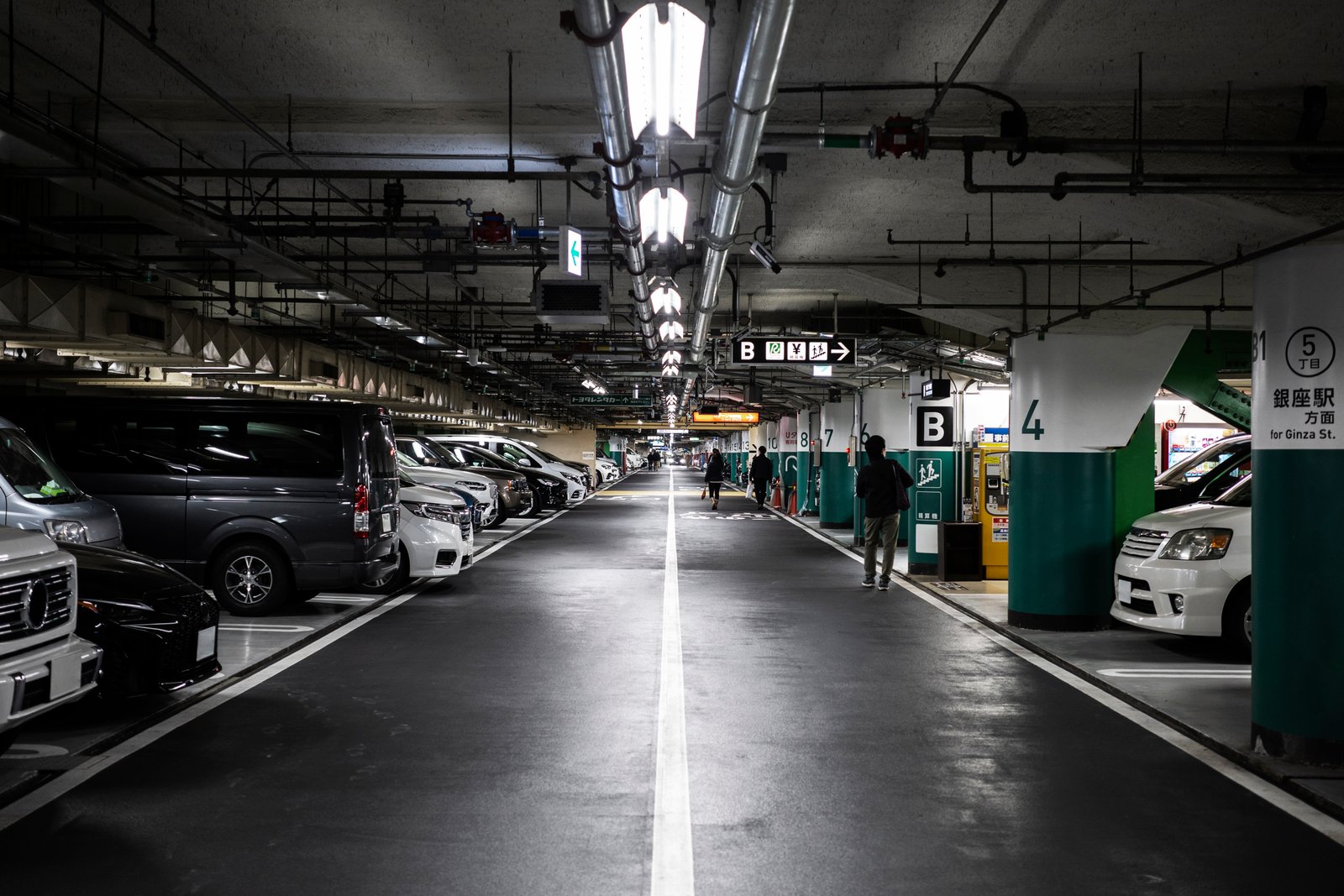
Car parks are essential parts of residential, commercial and public buildings across Australia, yet they are often overlooked when it comes to air quality management. Poor ventilation in these enclosed or semi-enclosed spaces can lead to serious air quality issues, especially when car park ventilation fans are inadequate or poorly maintained. Over time, this can have a direct impact on both short-term comfort and long-term health for drivers, pedestrians and building occupants.
Understanding Car Park Air Quality
Vehicle engines emit a range of pollutants, including carbon monoxide, nitrogen dioxide, volatile organic compounds and fine particulate matter. In open areas, these pollutants disperse naturally. However, in underground or enclosed car parks, contaminants can accumulate quickly if ventilation is insufficient. Without proper airflow, toxic gases remain trapped, increasing exposure levels well beyond what is considered safe.
Australian standards place strong emphasis on maintaining acceptable air quality in enclosed spaces, particularly where vehicles operate regularly. When ventilation systems fail to meet these expectations, the risks extend beyond inconvenience and unpleasant odours.
Carbon Monoxide: A Silent Threat
One of the most dangerous pollutants associated with poor car park ventilation is carbon monoxide. This colourless, odourless gas is produced whenever fuel is burned. Even at low concentrations, prolonged exposure can cause headaches, dizziness and fatigue. At higher levels, it can be life-threatening.
In poorly ventilated car parks, carbon monoxide levels can rise rapidly during peak traffic times. Drivers idling their vehicles, queues at entry points and slow-moving traffic all contribute to increased emissions. Without effective ventilation, these gases linger in the air, putting anyone in the space at risk.
Impact on Respiratory Health
Poor air quality in car parks does not just affect those passing through briefly. Building staff, security personnel and maintenance workers may spend extended periods in these environments. Long-term exposure to vehicle emissions can aggravate respiratory conditions such as asthma and bronchitis.
Fine particulate matter, often invisible to the naked eye, can penetrate deep into the lungs. Over time, this can reduce lung function and increase the risk of chronic respiratory disease. Children, older adults and individuals with pre-existing health conditions are particularly vulnerable.
Headaches, Fatigue and Reduced Concentration
Health impacts from poor car park ventilation are not always immediately obvious. Many people experience subtle symptoms such as headaches, nausea or difficulty concentrating after spending time in poorly ventilated spaces. These effects are often dismissed as stress or tiredness, when in fact they may be linked to elevated pollution levels.
Reduced oxygen levels and increased carbon dioxide concentrations can also contribute to feelings of drowsiness and discomfort. In workplaces or residential buildings, this can affect productivity, wellbeing and overall quality of life.
Effects on Indoor Air Quality Beyond the Car Park
Poor ventilation in car parks does not confine air quality issues to the parking area alone. Pollutants can migrate into lifts, stairwells and adjoining indoor spaces, particularly if pressure differences draw contaminated air upward.
This is a major concern in mixed-use buildings, where car parks sit beneath offices, shopping areas or residential apartments. Once pollutants enter occupied indoor spaces, they can compromise indoor air quality and expose occupants who may never enter the car park themselves.
Environmental and Structural Consequences
Beyond human health, poor car park ventilation can also affect the building itself. Accumulated vehicle emissions contain corrosive compounds that can damage concrete, steel reinforcements and electrical components over time. This can accelerate structural degradation and increase maintenance requirements.
Excess moisture combined with poor airflow may also encourage mould growth, which presents further health risks and can be difficult to remediate once established.
Legal and Safety Considerations in Australia
In Australia, building codes and workplace health and safety regulations require enclosed spaces to maintain safe air quality levels. Failure to provide adequate ventilation can lead to non-compliance, safety incidents and potential legal consequences.
Regular monitoring and maintenance of ventilation systems are critical to ensuring these standards are met. While users may not notice ventilation systems when they are working properly, their absence becomes evident when air quality deteriorates.
The Importance of Awareness and Design
Many of the problems associated with poor car park ventilation stem from a lack of awareness during design, construction or ongoing building management. As vehicle technology evolves, including the continued use of internal combustion engines, the need for effective air movement remains essential.
Design considerations such as airflow patterns, traffic volume and occupancy duration all play a role in determining ventilation effectiveness. Addressing these factors early can significantly reduce health risks and improve overall building performance.
Conclusion
Poor car park ventilation is more than just an inconvenience; it is a serious issue that affects air quality, health and building safety. From the build-up of toxic gases to long-term respiratory impacts, inadequate airflow can create hazardous conditions for anyone using or occupying a building.
By understanding the risks associated with poor ventilation and recognising the importance of proper air circulation, building stakeholders can help ensure safer, healthier environments for everyone. Clean air is not a luxury—it is a fundamental requirement, even in places as seemingly ordinary as car parks.
Tags : .....