How Organizations Use Professional Development Conferences to Build High-Performing Teams?
By Varsha 09-06-2026 310
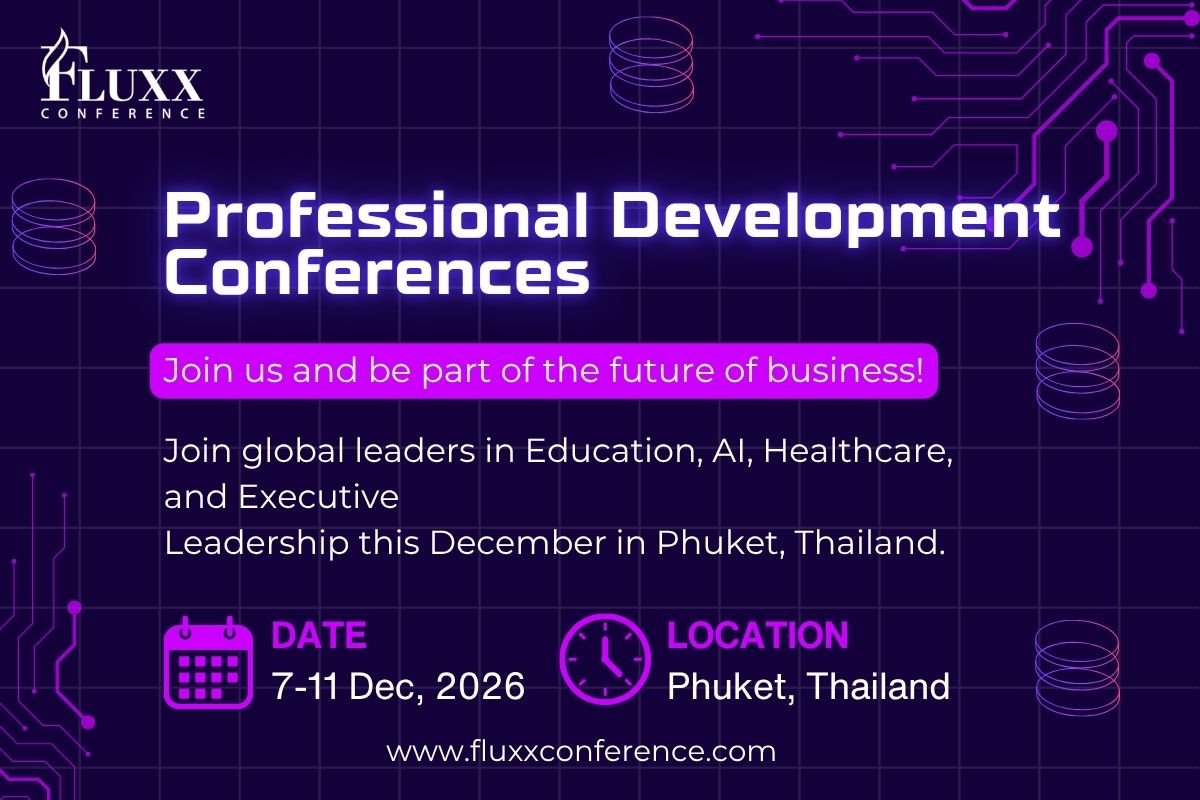
Every high-performing team has a story behind its success. Sometimes that story begins in a conference hall where new ideas are exchanged, innovative solutions are introduced, and professionals discover fresh ways to collaborate. While technology, processes, and resources play important roles in organizational growth, people remain the driving force behind long-term success. Organizations that invest in continuous learning often find themselves better equipped to adapt, innovate, and outperform competitors.
Professional development conferences have become one of the most effective tools for building stronger teams. These events bring together experts, industry leaders, and professionals from diverse backgrounds to share knowledge, discuss emerging trends, and develop practical skills that can be applied immediately within the workplace.
Why Professional Development Conferences Matter?
Modern organizations operate in rapidly changing environments. New technologies, evolving customer expectations, and shifting industry standards require employees to stay informed and agile. Conferences provide a structured environment where professionals can gain insights that go beyond traditional training programs.
Unlike online courses or internal workshops, conferences expose participants to real-world case studies, industry innovations, and perspectives from outside their organizations. This broader exposure helps employees develop critical thinking skills and identify opportunities for improvement within their own teams.
Organizations that prioritize learning opportunities often experience higher employee engagement, increased productivity, and stronger retention rates. Employees appreciate employers who invest in their growth, and that investment frequently translates into improved performance.
Strengthening Collaboration Through Shared Learning
One of the most valuable outcomes of conference participation is enhanced collaboration. When employees attend events together, they return with a shared understanding of industry challenges, best practices, and strategic goals.
For example, organizations that send educators to professional development conferences for teachers often see improvements in communication, instructional strategies, and team coordination. Teachers gain exposure to new methodologies and can collectively implement them within their institutions, creating a more unified approach to education.
The same principle applies across industries. Shared learning experiences encourage teams to discuss ideas, solve problems collectively, and align their efforts toward common objectives.
Encouraging Innovation and Creative Thinking
Innovation rarely happens in isolation. It often emerges when professionals encounter new perspectives and challenge existing assumptions.
Industry conferences provide an environment where employees can interact with thought leaders, attend workshops, and explore emerging trends. A conference on artificial intelligence, for instance, can introduce teams to transformative technologies that improve efficiency, automate routine tasks, and unlock new business opportunities.
When employees return from these events, they often bring fresh ideas that inspire innovation throughout the organization. Exposure to cutting-edge developments encourages teams to think creatively and approach challenges with greater confidence.
Developing Future Leaders
High-performing organizations understand the importance of leadership development. Conferences serve as powerful platforms for cultivating future leaders by exposing employees to strategic thinking, executive decision-making, and industry best practices.
Events such as a CXO summit 2026 offer valuable opportunities for professionals to learn directly from senior executives and business leaders. Participants gain insights into organizational strategy, change management, and leadership principles that can help them advance their careers and contribute more effectively to their teams.
Organizations that consistently develop leadership capabilities create stronger succession pipelines and build resilience for future growth.
Enhancing Industry Knowledge and Adaptability
Markets evolve quickly, and organizations must remain adaptable to maintain a competitive advantage. Conferences provide direct access to emerging trends, regulatory updates, and technological advancements that may impact an industry.
For example, professionals attending healthcare technology conferences 2026 can learn about innovations in digital health, patient care systems, data security, and medical technologies. These insights help healthcare organizations improve operational efficiency and deliver better outcomes for patients.
By staying informed about industry developments, teams become more proactive, responsive, and prepared to navigate change.
Building Strong Professional Networks
Another significant advantage of conference participation is networking. Employees gain opportunities to connect with peers, industry experts, vendors, and potential partners.
These relationships often become valuable resources long after the event concludes. Teams can leverage their expanded networks to seek advice, share best practices, and explore collaboration opportunities that contribute to organizational success.
Strong professional connections also help organizations stay informed about industry shifts and emerging opportunities.
Turning Conference Insights into Team Performance
The true value of a conference lies in how organizations apply what employees learn. Successful companies encourage attendees to share key takeaways through presentations, workshops, and team discussions.
This knowledge-sharing approach multiplies the return on investment by ensuring that insights benefit the entire organization rather than a small group of participants. It also reinforces learning and helps teams integrate new ideas into daily operations.
Conclusion
Professional development conferences are far more than networking events or educational gatherings. They are strategic investments in people, performance, and long-term organizational success. Whether attending professional development conferences for teachers, participating in a conference on artificial intelligence, exploring innovations at healthcare technology conferences 2026, or gaining leadership insights from a CXO summit 2026, organizations can strengthen collaboration, foster innovation, and develop high-performing teams.