For many aspiring aviators, one of the first questions is simple: How much does it cost to become a pilot in Melbourne? Whether you're dreaming of weekend recreational flying, earning a Private Pilot Licence Australia, or eventually pursuing a professional aviation career, understanding the costs involved is an important first step.
The good news is that pilot training is more accessible than many people think. While becoming a pilot requires a financial investment, the cost depends on factors such as the type of licence you pursue, the aircraft you train in, and how efficiently you complete your training.
In this guide, we'll break down the typical costs of Australian pilot training, explain CASA requirements, and help you understand what to budget for when starting your aviation journey.
Understanding Pilot Training Pathways in Australia
Before looking at costs, it's important to understand the two most common entry-level pilot licences in Australia:
Recreational Pilot Licence (RPL)
The Recreational Pilot Licence (RPL) is often the most affordable way to start flying. It allows you to fly light aircraft within Australia for recreational purposes and serves as a stepping stone toward higher licences.
Private Pilot Licence (PPL)
A Private Pilot Licence Australia allows greater flying privileges, including longer cross-country flights and carrying passengers. It is the licence most aviation enthusiasts pursue after completing an RPL.
Many students use the PPL as a foundation for future commercial pilot training.
What Are the Main Costs of Pilot Training?
Pilot training costs generally include:
- Flight training hours
- Aircraft hire
- Instructor fees
- Ground theory lessons
- CASA examinations
- Flight tests
- Aviation medical certificates
- Study materials
The majority of your investment goes toward aircraft rental and instructor-led flight training.
Typical Aircraft Training Costs in Melbourne
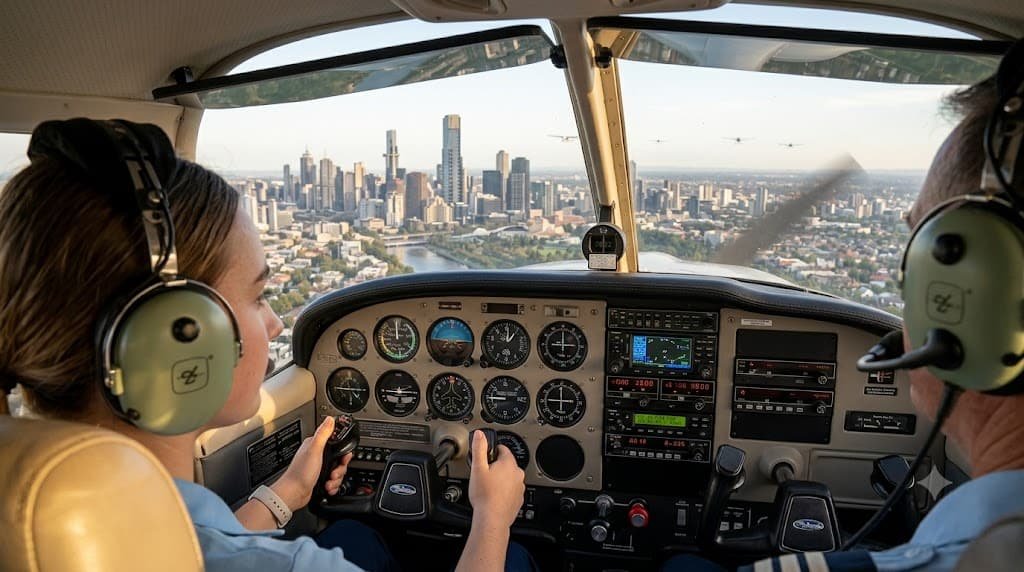
At Goldwings Aviation Australia, students train in industry-proven aircraft commonly used throughout Australian flight schools.
Current training rates include:
Aircraft | Solo Rate | Dual Rate |
Cessna 172 (C172) | $299/hr | $415/hr |
Piper Warrior (P28A) | $275/hr | $385/hr |
Theory Training | - | $90/hr |
The Cessna 172 remains one of the most popular training aircraft worldwide due to its reliability, forgiving handling characteristics, and suitability for beginner pilots.
How Much Does an RPL Cost in Melbourne?
The total estimated cost of obtaining an RPL can vary depending on individual learning pace and flying frequency.
At Goldwings Aviation Australia, the estimated cost of completing an RPL is approximately:
RPL (Recreational Pilot Licence): $10,375
This estimate includes the flight training required to meet CASA competency standards. Some students may complete their training with fewer hours, while others may require additional instruction.
How Much Does a Private Pilot Licence Cost?
If your goal is to enjoy greater freedom and flexibility in the air, you'll likely pursue a Private Pilot Licence.
The estimated cost for a:
PPL (Private Pilot Licence): $9,960
It's important to understand that this figure may vary based on your existing experience and whether you already hold an RPL.
A PPL provides access to more advanced flying privileges and is often the preferred option for pilots interested in:
- Cross-country flying
- Family recreational trips
- Building flight experience
- Future commercial pilot pathways
Additional Expenses to Consider
When calculating how much it costs to become a pilot in Melbourne, don't forget additional expenses beyond flight lessons.
CASA Medical Certificate
Depending on your licence pathway, you may need a medical certificate issued by a CASA-approved aviation medical examiner.
CASA Theory Examinations
Students must pass theory assessments covering:
- Aviation regulations
- Navigation
- Meteorology
- Aircraft operations
- Human factors
Flight Test Fees
Before receiving your licence, you'll complete a practical flight test with a CASA-authorised examiner.
Aviation Equipment
Many students choose to purchase:
- Aviation headset
- Flight computer
- Navigation tools
- Training manuals
These costs can vary significantly depending on personal preference.
CASA Pilot Licence Requirements
The CASA pilot licence requirements are established by Australia's aviation regulator, the Civil Aviation Safety Authority (CASA).
Generally, students must:
- Meet minimum age requirements
- Complete required flight training
- Pass theory examinations
- Demonstrate practical flying competency
- Meet medical requirements where applicable
Training standards are designed to ensure pilots can operate safely in Australia's diverse aviation environment.
Can You Fly Internationally with a PPL?
One common question students ask after obtaining a Private Pilot Licence is whether they can fly overseas.
The answer depends on the country involved and local aviation regulations.
While a PPL provides greater operational freedom, international flying with a PPL and cross-border private flying typically require:
- Recognition of your Australian licence by the destination country
- Additional flight planning requirements
- Customs and immigration compliance
- Aircraft approvals where necessary
Pilots planning international operations should always check the regulations of the destination aviation authority before flying.
Choosing the Right Flight School
Cost is important, but value matters just as much.
When comparing flight schools, consider:
- Instructor experience
- Aircraft availability
- Training structure
- Scheduling flexibility
- Airport environment
- Student support
Training at a busy controlled airport can provide valuable real-world experience and confidence-building opportunities.
For students looking for personalised flight training in Melbourne, Goldwings Aviation Australia operates from Moorabbin Airport, one of Australia's busiest general aviation airports. As a Melbourne Flight School Moorabbin Airport, Goldwings offers structured RPL and PPL training designed to help students progress efficiently while developing safe flying habits.
Students interested in earning a private pilot license Melbourne can explore training pathways tailored to their goals, whether flying for recreation or building a foundation for future aviation opportunities.
Conclusion
So, how much does it cost to become a pilot in Melbourne? For most aspiring pilots, training costs typically range between approximately $10,000 and $15,000 depending on the licence pathway, training pace, and individual learning requirements.
While pilot training is a significant investment, it opens the door to a lifetime of aviation experiences, personal achievement, and opportunities in both recreational and professional flying.
By understanding the costs upfront, choosing a quality flight school, and following CASA-approved training pathways, you'll be well positioned to start your journey into the skies with confidence.