How IT Solutions for Logistics company Support Real-Time Fleet Monitoring
By Arobit Tech 18-09-2026 1
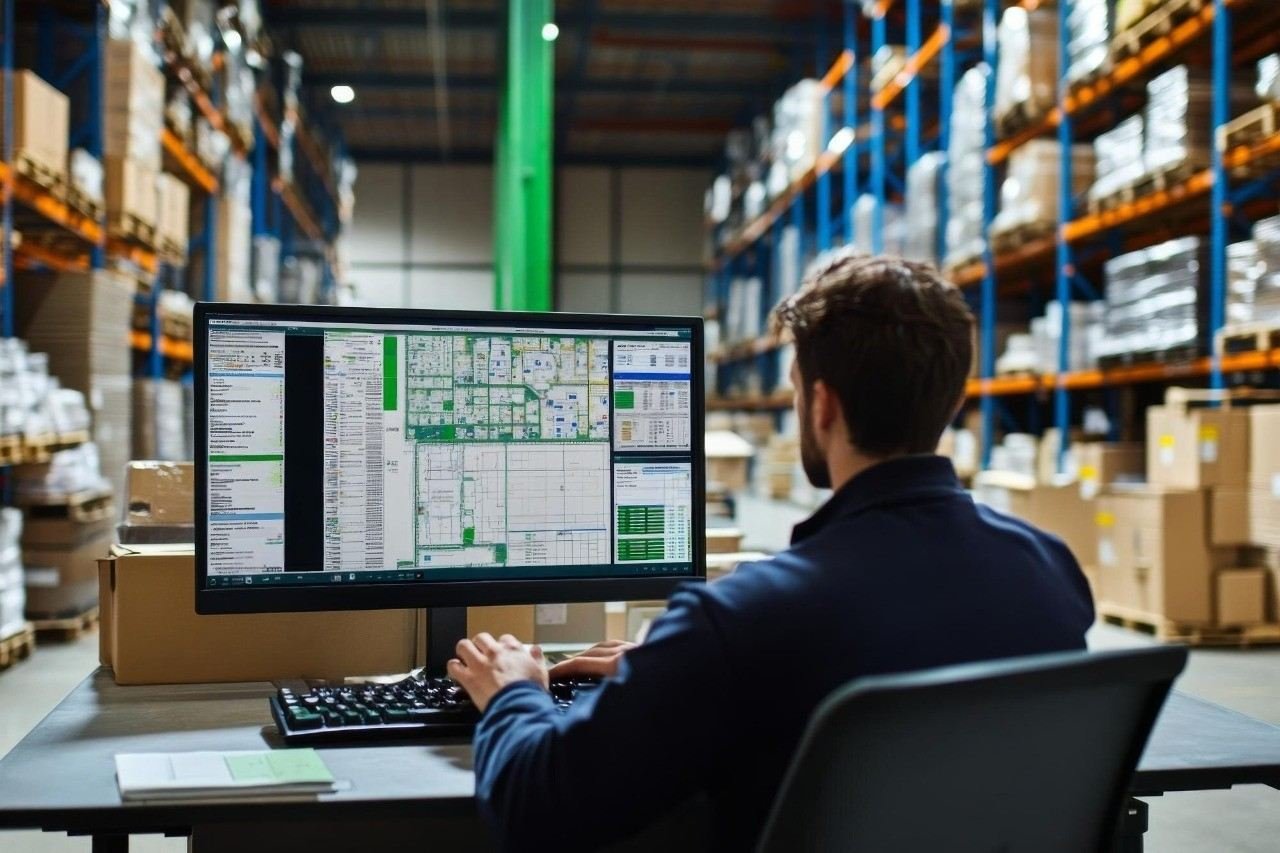
A truck can break down, run late, or drift off its route long before anyone in the office finds out. By the time a phone call comes in, the damage is often already done. That could mean a missed delivery window, an angry customer, or a repair bill that could have been avoided. This is the gap that IT solutions for logistics company fleets close with real-time monitoring. Instead of finding out about a problem after it happens, managers see it as it unfolds. That shift changes how fleets are run day to day.
Why fleet monitoring still relies on guesswork
Many fleets still depend on drivers calling in updates or filling out paper logs at the end of a shift. That works fine until something goes wrong.
A vehicle running low on fuel, a tire losing pressure, or a driver taking an unplanned detour can all go unnoticed for hours. By the time the office learns about it, the delay or the cost has already piled up.
Maintenance is often the biggest blind spot. Small mechanical issues rarely get caught early, so they turn into breakdowns on the road instead of quick fixes in the yard.
How IT solutions for logistics company fleets get true real-time monitoring
A connected monitoring system pulls live data straight from each vehicle. Location, speed, fuel level, and engine health all flow into one dashboard instead of staying locked inside the truck.
Managers do not have to wait for a call to know something changed. Alerts fire automatically for harsh braking, extended idling, low fuel, or a vehicle leaving its assigned route.
This turns fleet management from reactive to proactive. Problems get addressed while they are still small and cheap to fix.
Where real-time monitoring helps most
- Live location tracking: dispatch always knows where every vehicle is, without a phone call
- Fuel and idle monitoring: wasted fuel and excess idling get flagged automatically
- Predictive maintenance: engine and diagnostic alerts catch issues before they cause a breakdown
- Driver safety scoring: harsh braking, speeding, and rapid acceleration get tracked and coached
- Route compliance: deviations from planned routes are flagged as they happen
Each of these turns a blind spot into something a manager can see and act on the same day, not weeks later during a review.
Real results from real-time monitoring
Research from Frost & Sullivan found that fleets using telematics can reduce fuel costs by up to 20 to 25 percent. The same research shows idle time improving by up to 20 to 30 percent. Vehicle utilization can rise by up to 15 to 20 percent as well (Frost & Sullivan, via Automotive Fleet).
Large fleets show what this looks like at scale. UPS built its ORION route and fleet monitoring system to track vehicle and driver data across its network. The result is about 100 million fewer miles driven each year and more than 300 million dollars in annual savings (UPS, official announcement). Once IT solutions for logistics company fleets get this level of visibility, similar gains are possible at a much smaller scale too.
Choosing the right technology partner
Fleet monitoring tools built for retail delivery vans do not always fit a pharmaceutical distributor or a long-haul freight operation. Working with a transportation software development company that understands your specific fleet and compliance needs makes the difference.
Arobit builds monitoring systems for logistics and distribution companies. Vehicle data, driver behavior, and maintenance schedules connect into one platform built around the fleet you actually run. The goal is always practical: fewer breakdowns, safer driving, and lower fuel spend.
If your fleet is still running on guesswork, discuss your project requirements with Arobit's team (https://www.arobit.com/logistics/).
Real-time fleet monitoring is not about adding more screens to watch. It is about catching small problems before they become expensive ones. Arobit helps logistics companies build that visibility into systems their teams already use every day.
Frequently asked questions
Q1. What do IT solutions for logistics company fleets typically monitor in real time?
Most systems track vehicle location, fuel usage, idle time, engine diagnostics, and driver behavior such as braking and speeding. Alerts get sent out as soon as something falls outside a normal range.
Q2. How is real-time monitoring different from basic GPS tracking?
Basic GPS shows where a vehicle is. Real-time monitoring adds engine health, driver behavior, and automatic alerts, so problems get caught before they turn into breakdowns or accidents.
Q3. Can real-time monitoring reduce fleet maintenance costs?
Yes. Catching engine and diagnostic warnings early means more repairs happen in the yard on a schedule, rather than on the road as an emergency.
Q4. Is real-time fleet monitoring only useful for large fleets?
No. Smaller fleets often see a faster payback, since even a few avoided breakdowns or fuel-waste incidents cover the cost of the system quickly.
Q5. How long does it take to set up fleet monitoring across a fleet?
Most fleets can get core monitoring running within a few weeks per vehicle group, with full rollout depending on fleet size and existing hardware.