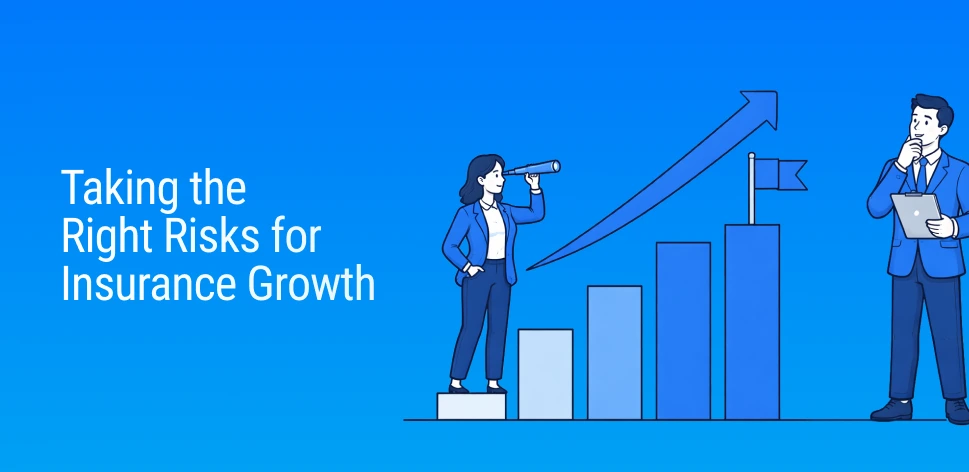
Insurance organizations often focus on expansion strategies such as entering new markets, recruiting producers, and increasing carrier partnerships. While these initiatives support business growth, they also increase compliance responsibilities.In regulated insurance environments, agencies and carriers must maintain accurate licensing records, carrier appointments, and producer management systems. Compliance failures can create operational disruptions and regulatory exposure.Many insurance organizations use insurance automation platforms like Agenzee to improve compliance oversight and support scalable operations.
Why Compliance Management Becomes More Complex
As insurance operations grow, compliance teams must manage larger amounts of data across multiple states and carriers.
Operational risks commonly include:
- Missing license renewals
- Inactive carrier appointments
- Incorrect producer records
- Delayed reporting
- Multi-state compliance issues
Industry regulations require insurance organizations to verify licensing and appointment eligibility before producers conduct insurance business activities.Without centralized compliance systems, organizations may experience administrative inefficiencies and reporting inconsistencies.Compliance software helps agencies and carriers improve workflow visibility and reduce manual tracking errors.
Understanding Producer Licensing Requirements
Producer licensing management is a critical part of insurance compliance operations. Producers must meet state regulatory requirements before selling insurance products.
State compliance requirements often include:
- Licensing verification
- Continuing education completion
- Appointment approvals
- Renewal deadlines
- Regulatory reporting
Insurance organizations operating across multiple states must continuously monitor producer eligibility.
A producer licensing management system supports workflows such as:
- Verify licenses
- Review appointment status
- Assign producer codes
- Sync compliance records
- Track renewals
- Generate compliance reports
Automation improves operational accuracy while reducing administrative burdens.
The Importance of Producer Code Tracking
A producer code is a carrier-assigned identifier used to track producer activity. Producer code management supports compliance monitoring, appointment management, and reporting accuracy.Why is producer code management important?Because inaccurate producer data may affect compliance reporting and operational workflows.
Common issues include:
- Duplicate producer profiles
- Incorrect code assignments
- Delayed updates
- Reporting inconsistencies
- Manual processing errors
Many insurance carriers today use centralized producer management systems to improve data visibility and workflow consistency.Insurance automation platforms like Agenzee support producer code tracking within larger compliance management operations.
Carrier Appointments and Operational Risk
Carrier appointment management is another important compliance responsibility. Insurance carriers must appoint producers according to state regulations before insurance transactions occur.Inactive appointments may create regulatory exposure and operational delays.
Appointment tracking systems help organizations:
- Monitor appointment status
- Verify regulatory requirements
- Track deadlines
- Maintain compliance documentation
- Improve audit readiness
- Reduce workflow delays
Many insurance organizations use appointment tracking software to improve operational efficiency across multiple jurisdictions.Centralized appointment management also supports better coordination between carrier management teams and compliance departments.

How Automation Supports Insurance Operations
Modern insurance systems require automation to manage growing operational complexity. Manual tracking methods often become difficult to maintain as organizations expand.
Insurance automation supports:
- License tracking
- Compliance reporting
- Producer onboarding
- Appointment monitoring
- Renewal notifications
- Centralized record management
Compliance teams often rely on centralized software to improve workflow consistency and reduce manual administrative tasks.
Many agencies and carriers use compliance automation to support scalable insurance operations.
Conclusion
Insurance growth requires careful operational planning and regulatory oversight. Agencies, MGAs, and carriers must balance expansion goals with compliance responsibilities connected to producer licensing, appointment tracking, and producer management.Insurance automation platforms like Agenzee help organizations improve compliance visibility, streamline workflows, and reduce preventable operational risks.As the insurance industry continues evolving, compliance management and automation remain essential for sustainable operational growth.
Tags : .....