How Green Hydrogen Can Future-Proof Your Business Against Upcoming Emission Regulations
By Leadvent Group 25-06-2026 77
Emission regulations are tightening around the world. Governments in Europe, North America, and Asia are setting stricter carbon limits, and businesses that ignore these changes risk heavy penalties, lost contracts, and a damaged reputation. The good news is that smart businesses are already preparing, and one of the most powerful tools available today is cleaner energy sources that cut emissions without cutting productivity. This article explains why switching to low-carbon energy now is a smart business move and how you can stay ahead before the rules catch up with you.
What Is Green Hydrogen and Why Does It Matter for Your Business
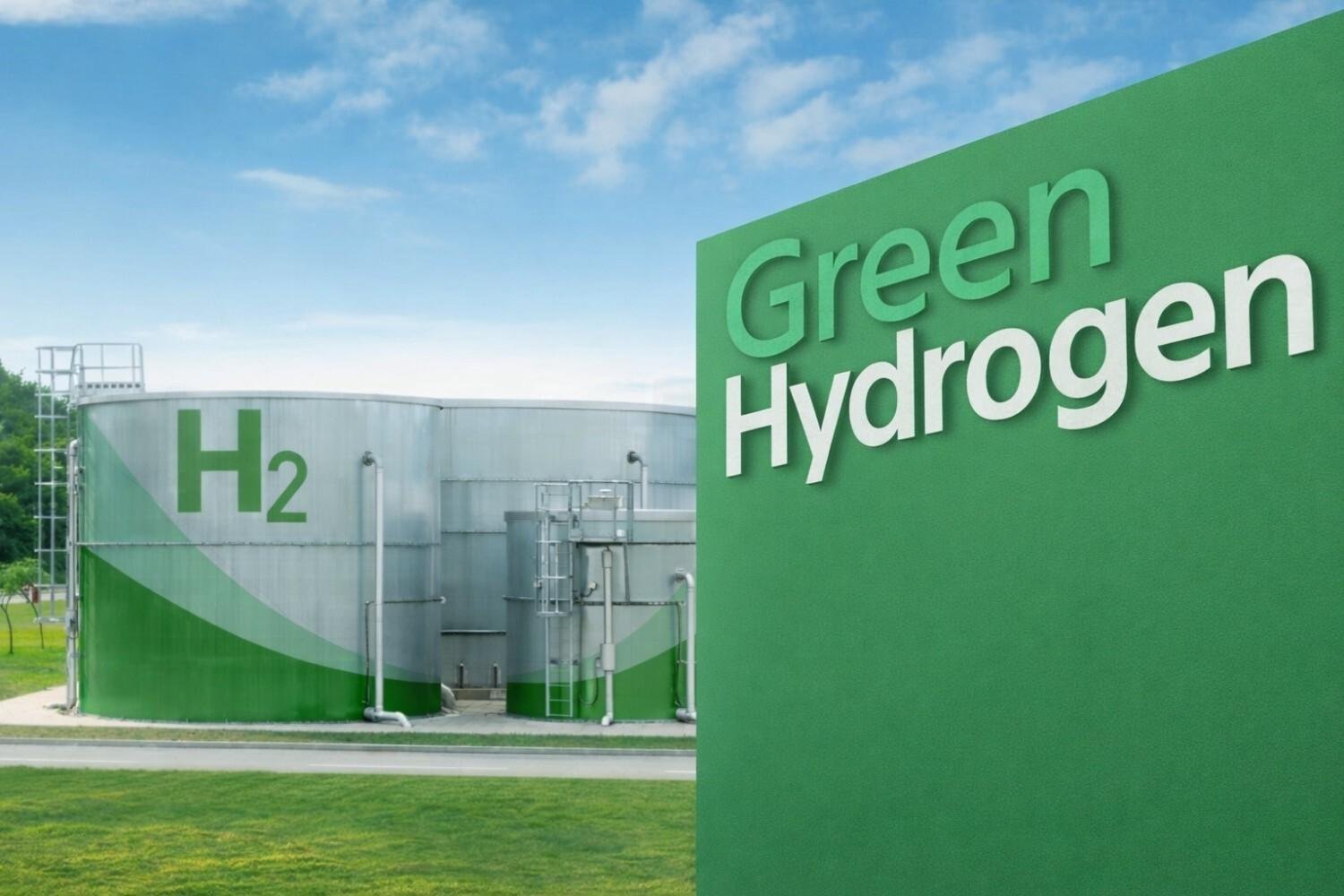
Green hydrogen is hydrogen fuel produced by splitting water using electricity that comes from renewable sources like solar or wind. Unlike fossil fuels, this process releases no carbon dioxide during production. That makes it one of the cleanest energy carriers available today.
For businesses, this matters because it can replace fossil fuels in some of the hardest-to-decarbonize operations, including heavy manufacturing, logistics, industrial heating, and large-scale power needs. If your business runs on energy-intensive processes, green hydrogen gives you a practical path to cut emissions without shutting down operations or completely rebuilding your infrastructure.
The Regulatory Landscape Is Changing Fast
In 2023, the European Union introduced the Carbon Border Adjustment Mechanism (CBAM), which puts a price on carbon-intensive imports. The United States has passed the Inflation Reduction Act, which includes incentives for clean energy but also signals a clear direction toward stricter emission standards. Countries like Japan, South Korea, and Canada are all moving toward net-zero targets.
What this means for your business is straightforward. If you supply to international markets, export goods, or work with large corporations that have their own sustainability targets, your carbon footprint will increasingly affect your ability to win business. Companies that adapt early gain a competitive edge. Those that wait may find compliance far more expensive later.
Case Study 1
A lesser-known but compelling example is Fortescue Metals Group, an Australian iron ore mining company. Facing pressure from its largest customers in Asia to reduce Scope 3 emissions, Fortescue launched an internal green hydrogen division called Fortescue Future Industries. By 2023, the company had committed over USD 6.2 billion toward green energy projects and started replacing diesel equipment at its Pilbara mining sites with hydrogen-powered machinery. The result was not just lower emissions but also a stronger position with buyers in South Korea and Japan who are themselves bound by strict carbon reporting requirements.
Case Study 2
Another case is Lhyfe, a French startup that began producing offshore green hydrogen in 2022 in partnership with the port of Saint-Nazaire. Rather than targeting large corporations, Lhyfe focused on industrial zones and local transport operators. Their model showed that even mid-sized industrial buyers could access clean hydrogen without massive capital investment. By 2024, Lhyfe had expanded into Germany, Sweden, and Denmark, proving that scalable green hydrogen supply chains are now a real option for businesses of different sizes.
The Role of E-Fuel in a Broader Clean Energy Strategy
Not every business can switch immediately to hydrogen infrastructure. That is where e-fuel becomes relevant. E-fuel is a synthetic fuel produced using green electricity and carbon dioxide captured from the air or industrial sources. It can power existing engines and industrial equipment without major modifications, making it a practical bridge technology for companies that are not yet ready for a full infrastructure overhaul.
For transport fleets, shipping companies, and manufacturers with existing fuel-based systems, e-fuel offers a way to reduce emissions today while planning a longer-term transition. Using it alongside renewable electricity and hydrogen gives businesses a layered strategy that works across different timelines and budget sizes.
How to Start Preparing Your Business Now
You don't need to revamp your entire operation all at once. Start with a clear carbon audit to understand where your biggest emissions come from. Then identify which processes could realistically switch to low-carbon alternatives within the next three to five years.
Work with your supply chain partners to understand their timelines. Many large buyers are already requiring suppliers to meet carbon targets by 2030 or earlier. If you are a supplier, knowing what your customers need from you gives you a clear roadmap.
Look into available government incentives. Many countries offer grants, tax credits, or subsidized loans for businesses that invest in clean energy infrastructure. These incentives often have deadlines, so acting sooner means accessing more support.
Conclusion
The shift to cleaner energy is not a distant future event. It is happening now, with real consequences for businesses that are unprepared. Whether you are considering hydrogen systems, synthetic fuels, or a blended approach, the key is to act before regulations force your hand rather than after.
If you want to understand the bigger picture and connect with industry leaders who are already making this transition, attending a dedicated E-fuels event is one of the most effective ways to get current insights, benchmark your progress, and build the partnerships that will matter in the years ahead. The businesses that start this journey now will be the ones best positioned to lead when the regulatory landscape fully shifts.
Frequently Asked Questions
Q1. What types of businesses benefit most from switching to green hydrogen?
Heavy industries such as steel manufacturing, cement production, chemical processing, and large-scale logistics benefit the most because these sectors have the highest emission levels and face the most pressure from upcoming regulations. However, even medium-sized manufacturers and commercial fleet operators can benefit by reducing their carbon liability and strengthening their appeal to sustainability-focused buyers.
Q2. Is green hydrogen affordable for small and medium-sized businesses?
The upfront cost of hydrogen infrastructure can be high, but costs have been falling steadily. Government grants and green energy incentives in many regions are also helping to reduce the financial barrier. For smaller businesses, partnering with a shared hydrogen supplier or using e-fuel as an interim step is often a more accessible starting point.
Q3. How does switching to cleaner energy help with regulatory compliance specifically?
Most upcoming emission regulations require businesses to measure, report, and reduce their carbon output. Using low-carbon energy sources directly reduces the emissions attributed to your operations, which lowers your compliance burden, reduces potential carbon taxes, and makes your reporting obligations easier to meet.
Q4. What is the difference between green hydrogen and grey or blue hydrogen?
Grey hydrogen is produced from natural gas and releases significant carbon dioxide. Blue hydrogen also uses natural gas but attempts to capture and store the emissions. Green hydrogen uses renewable electricity and produces no carbon emissions during production. For businesses seeking genuine emission reductions and regulatory credibility, green hydrogen is the most recognized and verifiable option.
Q5. How long does it typically take for a business to transition to low-carbon energy?
The timeline varies depending on your industry, current infrastructure, and the scale of change needed. A phased approach typically spans three to seven years. Many businesses start by replacing the most emission-heavy processes first while continuing to use existing systems for lower-impact operations. Early planning is the most important factor in keeping the transition manageable and cost-effective.
Tags : Green Hydrogen E-fuel E-fuels Event