How Fire Alarm System Installation Helps Prevent Major Fire Disasters?
By Elixir Engineering 15-06-2026 70
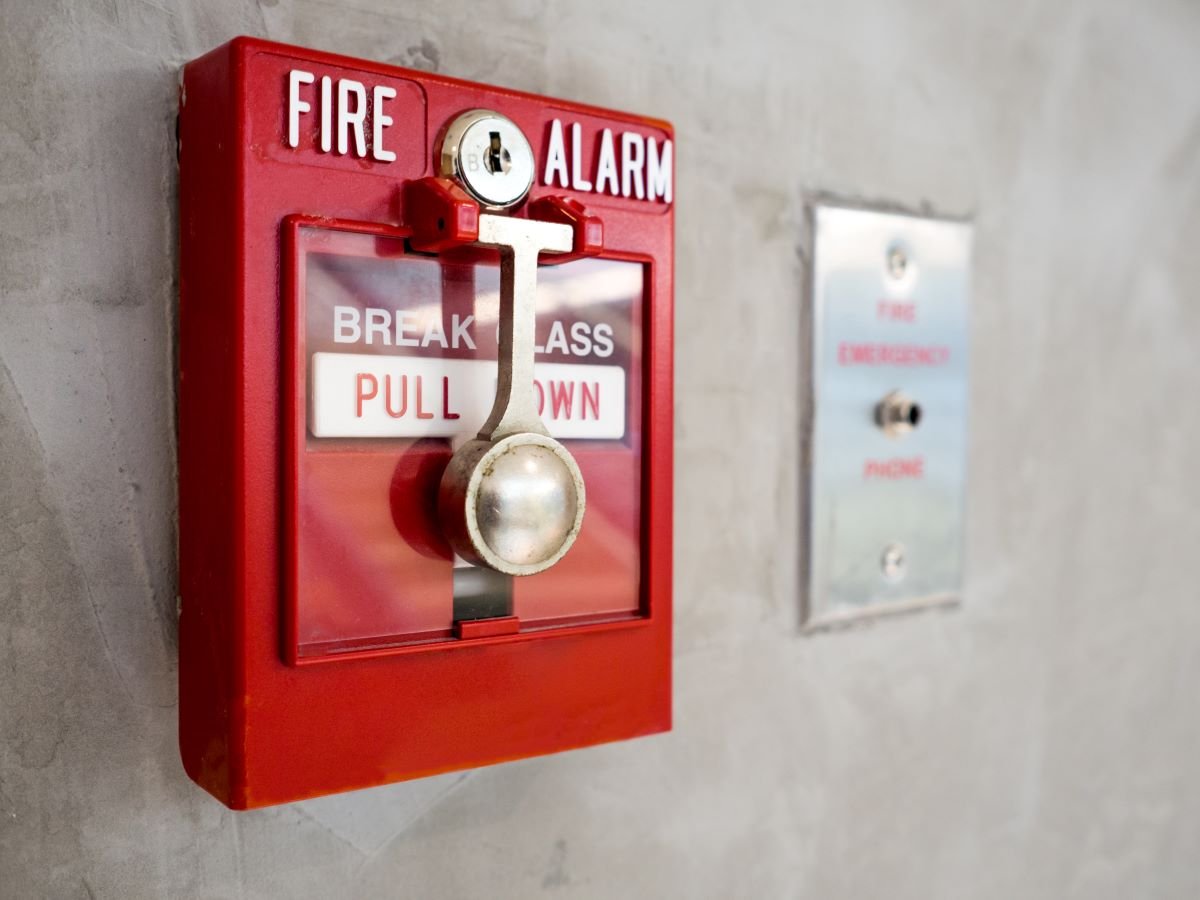
Fire is one of the biggest threats to any building, whether it is a commercial property, industrial facility, hospital, school, hotel, or residential complex. A small spark can quickly turn into a major disaster, causing damage to property, business interruptions, injuries, and even loss of life. This is why Fire Alarm System Installation has become an essential part of modern fire safety planning.
A fire alarm system acts as an early warning system that detects signs of fire and alerts occupants before the situation becomes dangerous. With the right system in place, people can evacuate safely, and emergency responders can react quickly to control the fire.
Understanding Fire Alarm Systems
A fire alarm system is a network of devices designed to detect smoke, heat, or flames and provide immediate alerts. The main purpose of the system is to identify fire risks at an early stage and warn building occupants.
A typical fire alarm system includes:
- Smoke detectors
- Heat detectors
- Manual call points
- Alarm sounders and sirens
- Fire alarm control panel
- Notification devices
These components work together to provide early detection and timely alerts.
Why Early Detection Matters
One of the most important benefits of Fire Alarm System Installation is early fire detection. Fires often start small and may go unnoticed in their initial stages.
Without a fire alarm system, a fire may continue spreading until it becomes visible. By that time, significant damage may already have occurred.
Early detection offers several advantages:
- Faster response to fire incidents
- Reduced property damage
- Improved occupant safety
- Better evacuation management
- Increased chances of controlling the fire before it spreads
The earlier a fire is detected, the greater the opportunity to prevent a major disaster.
How Fire Alarm System Installation Prevents Fire Disasters
Provides Immediate Warning
A fire alarm system instantly alerts occupants when smoke or heat is detected. Loud alarms notify everyone inside the building that immediate action is required.
This quick warning helps people evacuate safely and reduces the risk of injuries.
Supports Faster Emergency Response
Modern fire alarm systems can be connected to monitoring centers or emergency services. As soon as a fire is detected, alerts can be sent automatically.
This reduces response time and allows firefighters to reach the location quickly, preventing the fire from spreading further.
Minimizes Property Damage
Every minute matters during a fire emergency. A delay in detection can lead to extensive damage to equipment, machinery, documents, inventory, and infrastructure.
Fire Alarm System Installation helps identify problems quickly so corrective actions can be taken before the fire grows larger.
Protects Human Lives
The primary goal of any fire safety system is protecting people.
A properly installed fire alarm system provides occupants with valuable time to evacuate safely. This is especially important in crowded places such as:
- Shopping malls
- Hotels
- Hospitals
- Educational institutions
- Office buildings
- Manufacturing facilities
Early warnings save lives by reducing exposure to smoke, heat, and flames.
Reduces Business Interruptions
A major fire can stop business operations for weeks or even months. Production delays, equipment replacement, and repairs can result in significant financial losses.
By detecting fires early, businesses can minimize downtime and maintain continuity.
Key Components That Improve Fire Safety
Smoke Detectors
Smoke detectors identify smoke particles before flames become visible. They are among the most effective tools for early fire detection.
Heat Detectors
Heat detectors activate when temperatures rise beyond safe levels. They are commonly used in areas where smoke detectors may not perform effectively.
Manual Call Points
Manual call points allow people to trigger the alarm if they notice a fire before automatic detectors activate.
Alarm Sounders
These devices provide audible alerts to ensure everyone in the building is aware of the emergency.
Fire Alarm Control Panel
The control panel acts as the brain of the system, receiving signals from detectors and activating alarms when necessary.
Best Practices for Fire Alarm System Installation
To achieve maximum protection, proper installation is essential.
Conduct a Professional Site Assessment
Every building has unique fire risks. A detailed assessment helps identify the best locations for detectors and alarm devices.
Use Quality Equipment
High-quality fire alarm systems offer better reliability, accuracy, and long-term performance.
Follow Safety Standards
Installation should comply with local fire safety regulations and industry standards.
Ensure Proper Device Placement
Incorrect placement can reduce system effectiveness. Detectors should be installed in strategic locations to maximize coverage.
Test the System Regularly
Regular testing ensures the system remains operational and capable of responding during emergencies.
Schedule Routine Maintenance
Maintenance helps identify faults, replace damaged components, and maintain system reliability.
Industries That Benefit from Fire Alarm System Installation
Commercial Buildings
Office spaces often contain electrical equipment and large numbers of occupants, making fire protection essential.
Manufacturing Facilities
Industrial environments may involve machinery, chemicals, and high-temperature processes that increase fire risks.
Hospitals
Hospitals require continuous fire monitoring to protect patients, visitors, and staff.
Educational Institutions
Schools and colleges need reliable alarm systems to ensure student safety.
Hotels
Hotels accommodate many guests who may be unfamiliar with the building layout. Early alerts are critical for safe evacuation.
Warehouses
Warehouses often store valuable inventory that can be severely damaged by fire.
Signs That Your Building Needs a Fire Alarm Upgrade
If your current system is outdated, it may not provide adequate protection.
Consider upgrading if:
- The system is more than ten years old
- Frequent false alarms occur
- Components are damaged
- Maintenance costs are increasing
- Building layouts have changed
- New fire safety regulations apply
Modern systems offer advanced features that improve safety and reliability.
Benefits of Professional Fire Alarm System Installation
Choosing experienced fire safety professionals offers several advantages:
- Proper system design
- Compliance with regulations
- Reliable equipment selection
- Accurate installation
- Reduced risk of failures
- Ongoing maintenance support
Professional installation ensures the system performs effectively when needed most.
Why Choose Elixir Engineering for Fire Alarm System Installation?
When it comes to protecting lives and property, experience and expertise matter. Elixir Engineering is a trusted name in fire safety solutions, offering professional Fire Alarm System Installation services for commercial, industrial, and residential properties.
With a strong focus on quality, compliance, and customer satisfaction, Elixir Engineering provides:
- Expert fire safety consultation
- Customized fire alarm system solutions
- Professional installation services
- High-quality fire safety equipment
- Routine maintenance and support
- Compliance with safety regulations
Their experienced team carefully assesses each property to design and install a system that provides maximum protection and reliability.
Whether you own an office, factory, warehouse, hospital, school, or commercial facility, Elixir Engineering can help create a safer environment through advanced fire alarm solutions.
Conclusion
Fire disasters can happen unexpectedly, but their impact can be significantly reduced with proper fire protection measures. Fire Alarm System Installation provides early detection, rapid alerts, improved evacuation, and faster emergency response.
Whether you own a commercial building, factory, hospital, hotel, warehouse, or educational institution, installing a reliable fire alarm system is one of the smartest safety decisions you can make.
By investing in professional installation, regular maintenance, and quality equipment, property owners can reduce fire risks and create a safer environment for everyone. Early detection saves lives, protects assets, and helps prevent small incidents from becoming major fire disasters.
Frequently Asked Questions
1. What is Fire Alarm System Installation?
Fire Alarm System Installation is the process of setting up fire detection and alert devices that identify smoke, heat, or fire and notify occupants of a potential emergency.
2. Why is a fire alarm system important?
A fire alarm system provides early warnings, allowing people to evacuate safely and helping emergency teams respond quickly.
3. How often should fire alarm systems be tested?
Most fire alarm systems should be inspected and tested regularly according to manufacturer recommendations and local fire safety regulations.
4. Can fire alarm systems reduce property damage?
Yes. Early fire detection helps control incidents before they spread, reducing damage to buildings, equipment, and valuable assets.
5. Which buildings need fire alarm systems?
Commercial buildings, factories, hospitals, schools, hotels, warehouses, and residential complexes all benefit from fire alarm protection.
6. How long does Fire Alarm System Installation take?
The installation timeline depends on building size, system complexity, and project requirements. Small installations may take a few days, while larger facilities may require more time.
7. What are the main components of a fire alarm system?
The primary components include smoke detectors, heat detectors, alarm sounders, manual call points, and a fire alarm control panel.
8. Why should I choose professional installation services?
Professional installers ensure correct system design, proper device placement, regulatory compliance, and reliable performance during emergencies.