How EV Charging Station Permit Design Helps Speed Up Project Approvals
By Shubham Shindhe 06-10-2026 5
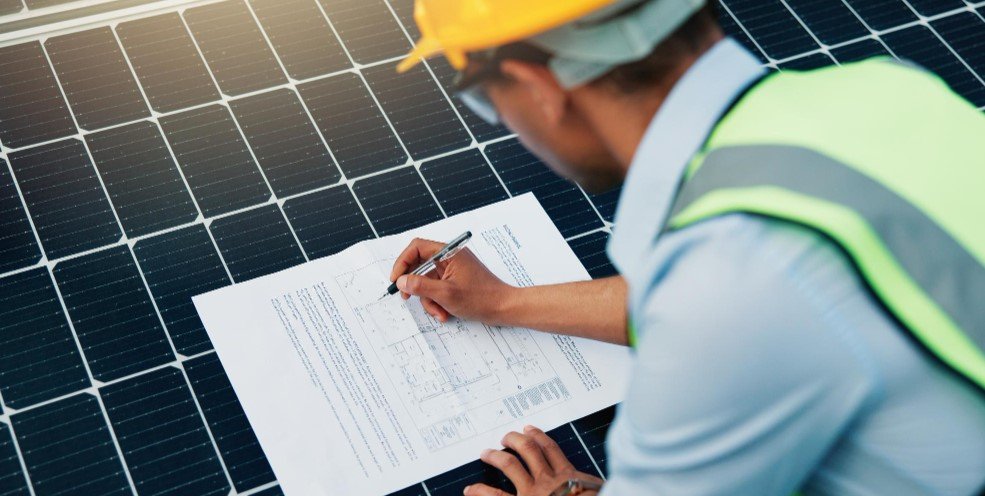
As electric vehicle adoption continues to grow, businesses, property owners, and developers are investing in charging infrastructure at a rapid pace. However, installing EV chargers involves more than selecting equipment and connecting it to a power source. Projects often require detailed drawings, site information, electrical documentation, and permits before construction can begin.
This is where professional EV charging station permit design becomes valuable. A well-prepared permit package gives authorities the information they need to review a project efficiently, helping reduce revisions, questions, and unnecessary approval delays.
What Is EV Charging Station Permit Design?
EV charging station permit design involves preparing the technical drawings and documentation required to obtain approval for an EV charging installation. Depending on the project and jurisdiction, these documents may include site layouts, electrical plans, equipment specifications, load calculations, parking layouts, accessibility details, and other code-related information.
A clear permit design presents the proposed charging system in a format that building departments, electrical reviewers, utilities, and other authorities can understand. When information is complete and accurately coordinated, reviewers can evaluate the project more efficiently.
Why Accurate Design Matters for Project Approvals
One of the biggest causes of permit delays is incomplete or inconsistent documentation. A missing dimension, incorrect equipment specification, unclear electrical connection, or improperly prepared drawing can result in a correction notice.
Professional EV charging station design services USA help address these challenges before the permit application is submitted. Experienced designers understand how to organize project information and prepare drawings according to applicable requirements.
Instead of waiting for a reviewer to identify problems, design teams can check the plans in advance. This proactive approach can reduce back-and-forth communication and help projects move toward approval more smoothly.
Creating a Complete EV Charger Permit Plan
A detailed EV charger permit plan USA typically communicates how the charging equipment will be installed and connected within the property. The plan may show charger locations, parking spaces, electrical equipment, service connections, conduit routes, disconnects, and other relevant components.
For commercial projects, the plan may also need to address multiple charging stations, traffic flow, accessible parking, equipment clearances, and future expansion.
When these details are clearly presented, reviewers have a better understanding of the proposed installation. This can make the review process more straightforward and reduce the likelihood of avoidable corrections.
The Importance of an EV Charging Site Plan for Permit
The physical placement of charging equipment is an important part of the approval process. An EV charging site plan for permit shows where chargers, parking spaces, electrical equipment, and related infrastructure will be located.
A properly prepared site plan can help demonstrate that the project considers property boundaries, parking requirements, accessibility, equipment clearances, pedestrian movement, and other site-specific factors.
It also helps different professionals work from the same information. Electrical contractors, engineers, property owners, and permitting authorities can use the drawing to understand the proposed layout before installation begins.
How EV Charging CAD Design Services Improve Accuracy
Digital drawings are an essential part of modern permitting. Professional EV charging CAD design services can produce precise layouts that clearly communicate dimensions, equipment locations, electrical pathways, and construction details.
CAD drawings also make it easier to update a design when project conditions change. For example, if a charger location needs to move or additional equipment is added, the drawings can be revised without recreating the entire plan.
Accurate CAD documentation can also reduce misunderstandings during construction. When the approved drawings clearly reflect the intended installation, contractors have a reliable reference for completing the project.
Coordinating Electrical and Structural Requirements
EV charging projects can involve several technical considerations. The electrical design may need to address service capacity, circuit requirements, overcurrent protection, disconnects, conductor sizing, grounding, and load calculations.
Depending on the installation, structural considerations may also be necessary, particularly when equipment is mounted on walls, poles, or other structures.
A professional EVSE design and permitting service can help coordinate these requirements within the overall permit package. EVSE, or electric vehicle supply equipment, includes the equipment used to safely deliver electricity to an electric vehicle.
Coordinating these elements early helps prevent conflicts between different parts of the project and makes the submitted documentation more complete.
Reducing Permit Corrections and Resubmissions
Permit corrections can add significant time to an EV charging project. Each correction may require a designer or engineer to revise drawings, respond to comments, and resubmit documents for another review.
While some corrections are unavoidable because requirements vary between jurisdictions, careful preparation can reduce preventable issues.
Professional EV charging station permit design focuses on creating clear, consistent, and permit-ready documentation from the beginning. Reviewing the drawings for missing information, inconsistent equipment details, unclear dimensions, and code-related requirements before submission can improve the chances of a smoother review.
Choosing Professional EV Charging Design Services
Every EV charging project is different. A small residential charger installation may have relatively simple requirements, while a large commercial charging station can involve multiple chargers, complex electrical infrastructure, parking considerations, and utility coordination.
This is why choosing experienced EV charging station design services USA can make a meaningful difference. A knowledgeable design team can help organize the project documentation based on its location, scope, and installation requirements.
The goal is not simply to produce attractive drawings. The goal is to create technically useful documents that support permitting, construction, and successful project completion.
Final Thoughts
A well-prepared permit package can be one of the most important factors in keeping an EV charging project on schedule. From an accurate site layout to detailed electrical drawings, every part of the documentation contributes to a smoother approval process.
Using professional EV charging CAD design services, a detailed EV charging site plan for permit, and a coordinated EVSE design and permitting service can help reduce errors and minimize unnecessary revisions.
As demand for EV infrastructure continues to increase, investing in accurate EV charging station permit design can help property owners, contractors, and developers move from planning to installation with greater confidence and fewer permitting obstacles.
Tags : .....