How Emergency Veterinary Clinics Handle Critical Pet Cases
By Bridgewater Veterinary Hospital 06-05-2026 94
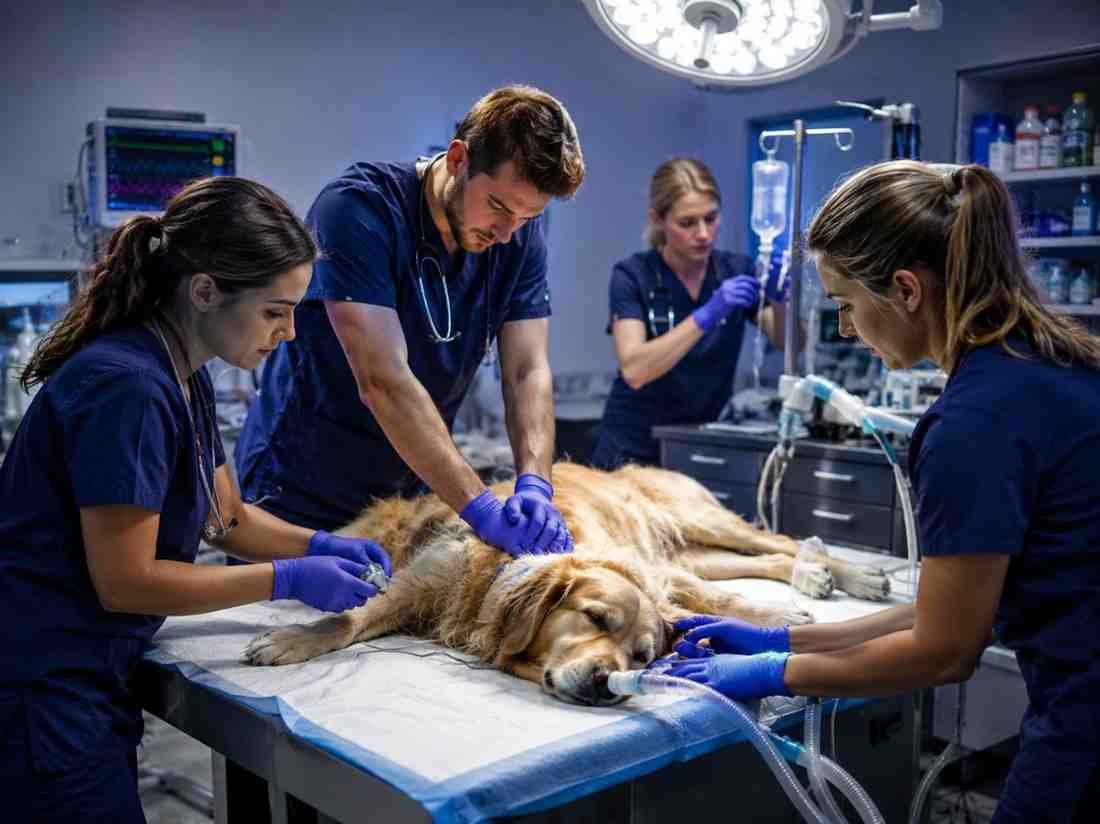
When a pet faces a sudden health crisis, every second matters. Emergency veterinary clinics are specially designed to respond quickly and effectively to life threatening situations. These clinics combine skilled professionals, advanced equipment, and structured procedures to ensure pets receive immediate and high quality care. Understanding how they handle critical cases can help pet owners feel more confident and prepared during stressful moments.
Rapid Triage and Initial Assessment
The first step in any emergency veterinary clinic is triage. As soon as a pet arrives, the medical team quickly evaluates the severity of the condition. This process helps determine which cases need immediate attention and which can safely wait a short time.
During triage, veterinarians and technicians check vital signs such as heart rate, breathing, temperature, and level of consciousness. Pets with life threatening conditions like breathing difficulty, heavy bleeding, or seizures are prioritized and moved to treatment right away. This quick assessment ensures that critical cases are handled without delay.
Immediate Stabilization
Once a critical condition is identified, the focus shifts to stabilizing the pet. Stabilization is essential before moving forward with detailed diagnostics or treatments. The goal is to support vital functions and prevent the condition from worsening.
Common stabilization methods include providing oxygen for breathing issues, controlling bleeding, administering intravenous fluids to prevent shock, and giving medications to manage pain or seizures. This phase is crucial because it buys time for the medical team to fully understand the problem and plan the next steps.
Advanced Diagnostic Procedures
After stabilization, emergency veterinary clinics use advanced diagnostic tools to identify the root cause of the problem. These clinics are equipped with modern technology that allows for fast and accurate results.
Diagnostic methods may include blood tests, X rays, ultrasound scans, and sometimes more specialized imaging. These tests help veterinarians detect internal injuries, infections, organ problems, or toxic exposures. Quick diagnosis is key to providing targeted treatment and improving the chances of recovery.
Specialized Treatment Plans
Once the condition is diagnosed, the veterinary team develops a customized treatment plan based on the pet’s needs. Emergency clinics are experienced in handling a wide range of critical cases, including trauma, poisoning, severe infections, and organ failure.
Treatment may involve medications, wound care, surgical procedures, or intensive monitoring. In some cases, pets may require immediate surgery to address internal injuries or life threatening conditions. The goal is always to provide the most effective care in the shortest possible time.
Continuous Monitoring and Intensive Care
Critical cases often require close observation even after initial treatment. Emergency veterinary clinics have dedicated areas for intensive care where pets are monitored around the clock.
Veterinary staff track vital signs, adjust treatments as needed, and respond quickly to any changes in the pet’s condition. This level of monitoring ensures that complications are detected early and managed promptly. Continuous care plays a major role in improving recovery outcomes.
Communication with Pet Owners
Clear communication is an important part of handling emergency cases. Veterinary teams keep pet owners informed about their pet’s condition, treatment options, and expected outcomes. They explain procedures in simple terms and answer any questions the owner may have.
This transparency helps build trust and allows pet owners to make informed decisions. It also provides emotional support during a difficult time, helping owners stay calm and focused.
Collaboration with Regular Veterinarians
Emergency veterinary clinics often work closely with a pet’s regular veterinarian. After the critical phase is managed, follow up care may be transferred back to the primary vet for ongoing treatment and recovery.
This collaboration ensures continuity of care and helps maintain the pet’s long term health. It also allows for a smoother transition from emergency treatment to routine care.
Preparedness and Quick Response
Emergency veterinary clinics are always prepared for unexpected situations. Their teams are trained to act quickly and efficiently, using well established protocols to handle emergencies. From the moment a pet arrives, every step is carefully planned to provide the best possible care.
For pet owners, knowing how these clinics operate can make a big difference. Being aware of the nearest emergency clinic and acting quickly in a crisis can help save a pet’s life.
Conclusion
Emergency veterinary clinics play a vital role in protecting the health and safety of pets during critical situations. Through rapid assessment, immediate stabilization, advanced diagnostics, and continuous care, these clinics are equipped to handle even the most serious cases.
Understanding how they manage emergencies can help pet owners feel more prepared and confident. In times of crisis, quick action and access to professional care can make all the difference in ensuring a positive outcome for your beloved pet.
Frequently Asked Questions
What should I do if my pet has an emergency
Stay calm and take your pet to the nearest emergency veterinary clinic as quickly as possible. If you can, call ahead so the clinic can prepare for your arrival.
How do emergency veterinary clinics prioritize cases
They use a triage system to assess the severity of each case. Pets with life threatening conditions are treated first.
Can emergency clinics perform surgery
Yes, many emergency veterinary clinics are equipped to perform urgent surgical procedures when needed.
Will my regular vet be involved after emergency care
In most cases, emergency clinics coordinate with your regular veterinarian to ensure proper follow up care and recovery.
Tags : .....