How Embroidery and Sustainable Manufacturing Are Shaping Modern Apparel
By am group companies 24-09-2026 2
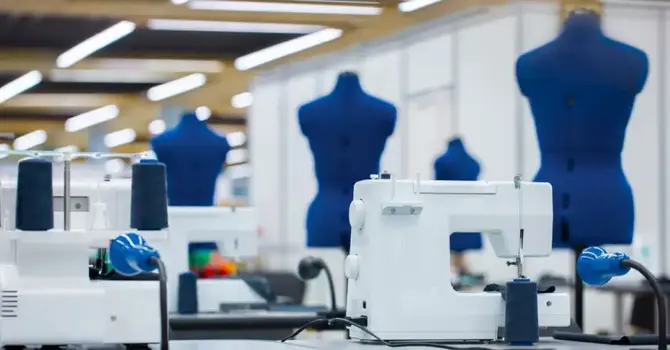
In a crowded apparel market, small details can create a powerful impression. A carefully embroidered logo, a distinctive pattern, or a thoughtfully produced garment can turn a basic piece of clothing into something memorable. As brands search for ways to combine creativity with responsible production, textile craftsmanship is taking on a renewed importance.
Among the techniques helping brands achieve this balance, embroidery stands out for its texture, durability, and visual character. At the same time, sustainability is influencing how fabrics are sourced, processed, and transformed into finished garments. Together, these trends are creating new opportunities for manufacturers and apparel brands.
Embroidery Gives Fabric a Distinctive Identity
Embroidery has been used to decorate textiles for centuries, but modern technology has transformed what is possible.
Today, intricate logos, detailed artwork, lettering, decorative patterns, and brand elements can be reproduced with impressive consistency. Professional Fabric Embroidery Services USA allow brands to add a tactile dimension to garments that traditional printing cannot always provide.
Unlike a flat graphic, embroidery creates texture. The raised threads can add depth and dimension while giving a garment a premium appearance. This makes embroidered details particularly popular for corporate apparel, uniforms, sportswear, fashion collections, caps, jackets, and promotional garments.
The success of embroidery depends on more than simply placing a design onto fabric. Thread selection, stitch density, design size, fabric construction, and placement all need to be considered to achieve a clean result.
Choosing the Right Textile for Embroidery
Not every fabric responds to embroidery in exactly the same way.
Lightweight materials may require different stabilizing techniques from heavier fabrics. Stretch fabrics can behave differently from tightly constructed textiles. The size and complexity of the design can also influence how the embroidery should be produced.
Experienced textile manufacturers USA understand these differences and can help brands select or develop materials that support their intended decoration.
This connection between textile development and embroidery is important because the final result depends on how the fabric and thread work together. When material selection is considered early, brands can reduce production challenges and achieve a more consistent finished appearance.
Sustainability Is Changing the Apparel Conversation
While design remains important, consumers and brands are increasingly interested in how clothing is produced.
Sustainable manufacturing can involve many different considerations, including responsible material choices, efficient resource use, waste reduction, chemical management, energy consumption, and production longevity.
A Sustainable Garments Company USA can help brands address these priorities by incorporating responsible practices into different stages of apparel production.
Sustainability is not limited to choosing a particular fabric. It can influence everything from material development and dyeing to garment construction, finishing, packaging, and supply-chain management.
The goal is to create a more thoughtful production system in which resources are used efficiently while maintaining the quality customers expect.
Quality and Sustainability Can Work Together
There is sometimes a misconception that sustainable apparel must compromise on quality or design.
In reality, durability can itself support a more responsible approach to clothing. Garments that are well constructed and designed to withstand regular use may remain in wardrobes longer, reducing the need for frequent replacement.
This is where craftsmanship becomes important.
A Sustainable Garments Company USA can combine responsible production principles with careful construction, quality control, and finishing. When garments are built properly, decorative elements such as embroidery can also contribute to a product's long-term appeal.
The result is apparel designed not merely to look good when purchased, but to remain useful and attractive over time.
Technology Makes Customization More Accessible
Modern embroidery equipment has expanded the possibilities for apparel customization.
Digital design systems allow artwork to be prepared with precision before it reaches production equipment. Automated machines can then reproduce approved designs across multiple garments while maintaining consistent positioning and stitch patterns.
However, technology still requires skilled oversight.
Experienced production teams understand how to adjust designs for different materials, identify potential stitching issues, and maintain quality during larger production runs. The combination of digital precision and practical textile knowledge allows brands to pursue increasingly detailed designs.
For businesses ordering customized apparel, this can make professional Fabric Embroidery Services USA a valuable part of their product-development strategy.
Embroidery Beyond Logos
Although embroidered logos remain popular, the technique offers far more creative possibilities.
Fashion brands can use embroidery to create decorative motifs, artistic patterns, lettering, textured panels, and signature details. Sportswear companies can incorporate team identities, numbers, or badges. Hospitality businesses can add refined branding to uniforms. Even everyday casualwear can use small embroidered elements to create a distinctive look.
This versatility allows embroidery to become part of a garment's overall design rather than simply an afterthought.
With support from experienced textile manufacturers USA, brands can explore how fabric structure, color, weight, and embroidery interact to produce a cohesive finished product.
Responsible Manufacturing Requires a Bigger Picture
Sustainability is most effective when considered across the entire production chain.
For example, reducing material waste during cutting can complement responsible fabric selection. Efficient production planning can reduce unnecessary resource consumption. Appropriate quality control can prevent defective products from becoming wasted inventory.
A Sustainable Garments Company USA can help connect these individual efforts into a broader manufacturing strategy.
The same principle applies to embroidery. Careful planning can reduce thread waste, minimize production errors, and ensure that decorative details meet approved specifications before garments move further through the production process.
Why the Right Manufacturing Partner Matters
Brands often focus heavily on design, but turning a design into a consistent commercial product requires technical expertise.
The ideal manufacturing relationship involves communication between designers, textile specialists, production teams, embroidery professionals, and quality-control personnel. Each contributes to a different part of the final result.
Working with experienced textile manufacturers USA can help brands navigate these stages more effectively. From material selection to decoration and final garment production, coordinated expertise can make the process more predictable.
The New Standard for Modern Apparel
The future of apparel is increasingly defined by the combination of creativity, craftsmanship, and responsibility.
Embroidery gives brands a way to add depth and personality. Sustainable manufacturing encourages more thoughtful use of resources. Advanced textile production provides the foundation needed to bring these ideas together.
Through professional Fabric Embroidery Services USA, responsible production from a Sustainable Garments Company USA, and technical expertise from established textile manufacturers USA, brands can create apparel that reflects both visual identity and modern manufacturing expectations.
In the end, great apparel is often distinguished by the details people notice—and the responsible choices they may never see.
Tags : .....