How E-Commerce and Logistics Are Reshaping Brazil’s Light Commercial Vehicle Tire Industry
By Sandeep Singh 14-05-2026 60
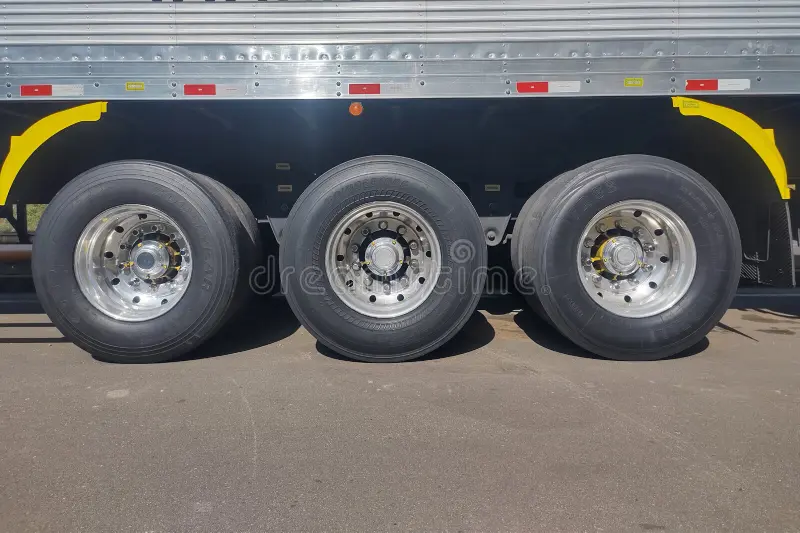
Brazil’s transportation and logistics ecosystem has undergone a notable transformation over the past few years. The rapid rise of e-commerce, growing agricultural distribution networks, and increasing movement of goods across urban and regional corridors have collectively accelerated demand for light commercial vehicles (LCVs). As a result, the country’s tire industry is also witnessing structural changes, particularly within the LCV segment.
According to a recent Brazil light commercial vehicle tire industry analysis, the Brazil Light Commercial Vehicle Tire Market is projected to grow at a CAGR of around 8% during 2021–2026. The study highlights expanding logistics operations, rising usage of pickup trucks and vans, and increasing transportation of perishables as major contributors to market growth.
Expanding E-Commerce Networks Driving Tire Demand
The expansion of online retail platforms in Brazil has significantly influenced freight transportation patterns. Faster delivery expectations and wider geographic coverage requirements have encouraged logistics operators to increase their LCV fleets. Pickup vans and light trucks are increasingly preferred for last-mile and intercity deliveries because of their operational flexibility and lower running costs compared to heavy commercial vehicles.
This transition directly impacts tire replacement cycles. Vehicles involved in continuous delivery operations often travel long distances under varying road conditions, leading to faster tire wear. As reported in a recent industry study on Brazil’s LCV tire sector, the replacement tire segment is expected to maintain a significant share of the market due to Brazil’s extensive circulating fleet and rising logistics activity.
The e-commerce sector’s influence became even more visible during the pandemic period, when digital retail adoption accelerated across Brazil. Logistics providers expanded warehouse and distribution operations to accommodate growing order volumes, increasing the operational dependency on LCV fleets.
Infrastructure and Agricultural Transportation Supporting Market Expansion
Brazil’s agricultural sector remains another important demand generator for light commercial vehicle tires. Agricultural transportation requires durable tires capable of handling mixed terrain conditions, including rural roads and long-distance regional transport routes.
Government-supported infrastructure projects and public-private partnerships have also contributed to increased commercial transportation activity. Construction materials, agricultural goods, dairy products, and FMCG distribution all rely heavily on light trucks and vans for regional mobility.
According to the International Organization of Motor Vehicle Manufacturers (OICA), Brazil continues to remain one of the largest automotive manufacturing hubs in Latin America. Vehicle production recovery and improving industrial activity are supporting the broader commercial vehicle ecosystem, including OEM tire demand.
The growing circulation of LCVs across sectors such as food distribution and e-commerce logistics is creating consistent demand for radial tires, which are generally preferred for their durability, fuel efficiency, and road performance.
Shift Toward Replacement Tires and Fleet Maintenance
One of the most important structural shifts within the industry is the increasing importance of replacement tires. Fleet operators are prioritizing maintenance efficiency and vehicle uptime as delivery timelines become more demanding.
Unlike passenger vehicles, commercial fleets experience more intensive usage patterns, which shortens tire replacement intervals. Tire selection is therefore increasingly influenced by operational factors such as mileage efficiency, tread durability, and total ownership cost rather than upfront pricing alone.
The market has also seen stronger demand for economy-category tires, particularly among small and medium logistics operators attempting to balance operational costs with performance requirements. At the same time, premium tire manufacturers continue to focus on durability and fuel-saving technologies to attract organized fleet operators.
As highlighted by Brazil’s broader tire market research insights, replacement demand across commercial transportation categories is expected to remain a long-term growth contributor due to the country’s large active vehicle base.
Regional Dynamics and Competitive Landscape
Brazil’s Southeast and South regions continue to dominate logistics and industrial transportation activity due to stronger urbanization, manufacturing presence, and distribution infrastructure. These regions generate substantial demand for commercial fleet operations, directly supporting tire consumption.
Meanwhile, expanding regional trade routes and agricultural exports are increasing transportation activity across other regions as well. This geographic diversification is encouraging tire manufacturers and distributors to strengthen aftermarket networks and regional supply chains.
Several international tire manufacturers remain active in the Brazilian market, focusing on product durability, distribution partnerships, and localized supply capabilities. Market competition is also shaped by pricing pressures, import regulations, and anti-dumping policies affecting low-cost tire imports.
The competitive environment increasingly favors companies capable of balancing affordability, durability, and efficient aftermarket service support.
Outlook for the Industry
Brazil’s light commercial vehicle tire industry is closely tied to the country’s evolving logistics and transportation economy. Growth in e-commerce, food distribution, agriculture, and infrastructure activity is likely to sustain long-term demand for LCV fleets and related tire products.
At the same time, replacement tire demand is expected to remain a central growth pillar as fleet operators prioritize operational continuity and maintenance efficiency. Industry participants may increasingly focus on fuel-efficient tire technologies, durability improvements, and regional distribution expansion to remain competitive in a changing transportation environment.
As logistics modernization continues across Brazil, the LCV tire segment is expected to remain an important component of the country’s broader automotive and mobility ecosystem.
Tags : .....