Extreme weather is becoming more common across the United States. From record-breaking heat waves and powerful storms to snow, hail, and high winds, homeowners are asking an important question before going solar:
Will my system hold up when the weather gets rough?
The short answer is yes—modern solar systems are built to withstand extreme conditions. But performance during severe weather depends on design, equipment quality, and proper installation.
Let’s take a closer look at how residential solar performs in different weather extremes and what homeowners should realistically expect.
Designed for Durability, Not Just Sunshine
Solar panels aren’t fragile glass sheets. They’re engineered for long-term outdoor exposure and tested under harsh conditions before ever reaching a roof.
Most panels are certified to withstand heavy wind loads, intense heat, freezing temperatures, and significant impact. These standards ensure systems continue operating safely across a wide range of environments.
This durability is one reason solar pv has expanded far beyond traditionally sunny regions.
Performance During Extreme Heat
Hot weather is often misunderstood when it comes to solar performance.
Solar panels rely on sunlight—not heat—to produce electricity. In fact, extremely high temperatures can slightly reduce efficiency because electrical resistance increases as panels get hotter.
That said, this efficiency loss is usually small and temporary. In places like Arizona, long daylight hours and consistent sun exposure more than offset minor heat-related reductions.
Proper airflow and professional installation play a major role in keeping panels operating efficiently during heat waves.
How Solar Handles Heavy Rain and Storms
Rain doesn’t stop solar systems from working.
Panels continue producing electricity from diffused sunlight during cloudy and rainy conditions, though output may be lower than on clear days. Over a full year, production typically balances out.
Rain can actually be beneficial—it helps wash away dust and debris that might otherwise block sunlight.
Well-installed systems are sealed and grounded to protect against water intrusion, making them safe during storms.
Wind Resistance and Structural Safety
High winds are a concern for many homeowners, especially in storm-prone areas.
Modern residential solar systems are mounted using engineered racking systems designed to withstand strong wind loads. These systems are tested to meet or exceed local building codes.
When installed correctly, panels are often more secure than traditional roofing materials. Failures are extremely rare and usually linked to improper installation rather than equipment quality.
Snow, Ice, and Cold Weather Performance
Cold climates often surprise people when it comes to solar efficiency.
Lower temperatures actually improve electrical conductivity, which helps panels operate more efficiently. Snow may temporarily cover panels, but most systems are installed at angles that allow snow to slide off naturally.
Once exposed, panels produce electricity even on cold, sunny winter days.
Solar performance in cold regions is often stronger than people expect.
What Happens During Hailstorms?
Hail is one of the most common concerns for homeowners.
Solar panels are tested to withstand hail impacts at high speeds. Most are rated to handle hailstones up to one inch or larger, depending on certification standards.
Severe hail can damage panels in rare cases, but this risk is typically covered by homeowners insurance. The likelihood of damage is low compared to the lifespan of the system.
Power Outages and Grid Shutdowns
A common misconception is that solar panels keep homes powered during blackouts.
For safety reasons, most grid-tied systems automatically shut down when the grid goes offline. This protects utility workers from back-fed electricity.
Homes with battery storage can continue using solar energy during outages, making extreme weather events far less disruptive.
Battery integration is becoming more popular in areas with frequent storms or grid instability.
Key Weather Factors That Impact Residential Solar
How Extreme Conditions Affect Solar Performance
Heat can slightly reduce efficiency but not reliability
Cold temperatures improve electrical performance
Rain and clouds reduce output temporarily
Wind resistance depends on mounting quality
Snow usually clears naturally with proper tilt
Hail resistance is built into panel design
(✔ This is the only bullet section, as requested.)
Why Installation Quality Matters More Than Weather
Most solar failures during extreme weather aren’t caused by the weather itself.
They’re caused by poor installation.
Improper mounting, inadequate roof assessments, and low-quality components increase risk during severe conditions. Professional system design ensures panels are securely attached, properly ventilated, and aligned for long-term performance.
This is where experienced installers make a measurable difference.
Arizona’s Unique Weather Challenges
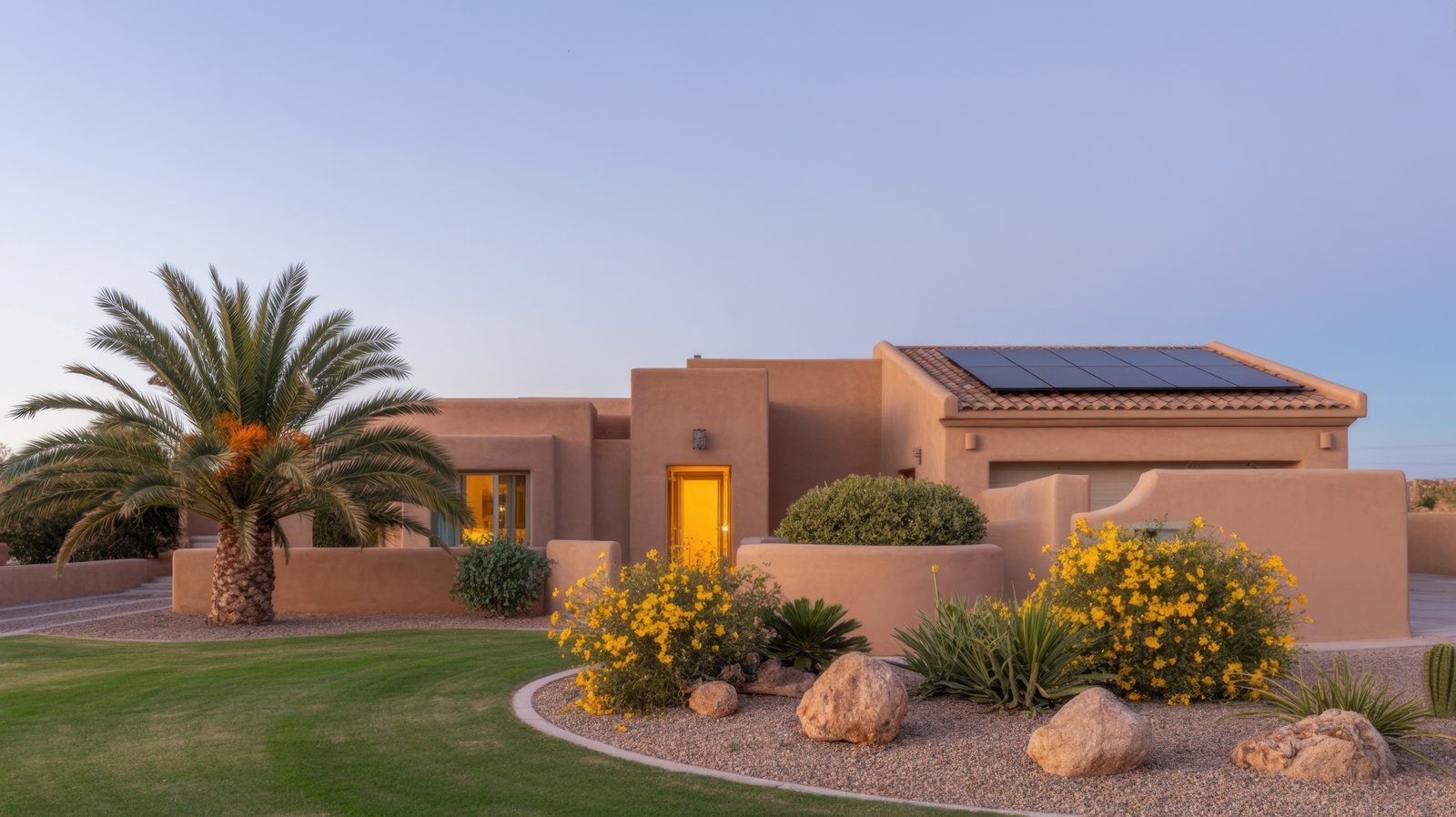
Arizona homeowners experience some of the most intense sun exposure in the country, along with extreme summer heat and seasonal storms.
Systems installed in this environment must be designed for thermal expansion, airflow, and durability. Panels need room to breathe, and electrical components must be rated for high temperatures.
Local expertise ensures systems are optimized for Arizona’s climate rather than relying on generic designs.
Why PEP Energy Is a Trusted Choice in Arizona
For homeowners considering residential solar in Arizona, working with a local provider matters.
PEP Energy, a respected solar panel services provider in Arizona, understands the regional climate, building codes, and utility requirements. Their systems are designed to perform reliably during extreme heat, storms, and long summer seasons.
With experience across both residential and commercial solar projects, their team brings proven engineering and long-term support to every installation.
Local knowledge adds resilience where it matters most.
Residential vs Commercial Systems in Extreme Weather
While this article focuses on homes, it’s worth noting that many durability standards come from large-scale systems.
Commercial solar installations face even greater exposure due to size and location. The same engineering principles used for large buildings are applied to residential systems, just on a smaller scale.
This means homeowners benefit from industrial-grade design and testing.
Solar technology doesn’t change based on property size—only system scale does.
Long-Term Reliability Through All Seasons
Solar panels are built for decades of outdoor exposure.
Manufacturers typically offer 25-year performance warranties, and many systems continue producing well beyond that. Extreme weather events may temporarily reduce output, but they rarely cause permanent damage when systems are installed correctly.
Over time, solar proves to be one of the most reliable home energy investments available.
Final Thoughts
So, how does residential solar perform during extreme weather?
Better than most people expect.
Modern systems are engineered for heat, cold, wind, rain, and impact. With professional installation and quality equipment, solar continues producing power safely and reliably across all seasons.
For Arizona homeowners, choosing an experienced provider like PEP Energy ensures your system is built to handle local conditions and deliver long-term peace of mind.
Tags : .....