As organizations continue to embrace digital transformation, smart building management has become a critical component of efficient facility operations. The smart buildings make use of cutting-edge technologies, including the Internet of Things, automation, data analysis, and smart monitoring devices to maximize performance, minimize expenditure, and improve occupant experiences. The ISO 41001 Certification Support has become critical in assisting institutions to develop a systematic framework of excellence in the facility management in this changing environment. Companies interested in achieving ISO 41001 certification in Saudi Arabia are becoming more and more aware of its benefits in promoting sustainable and technology-based building practices.
Understanding ISO 41001 and Smart Building Management
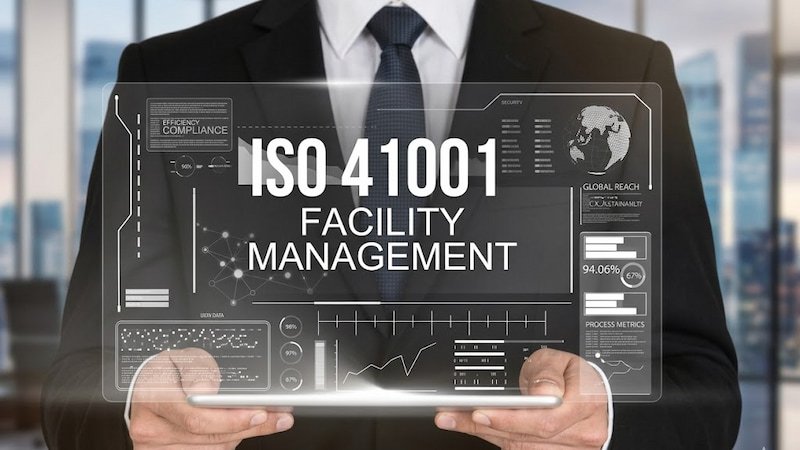
The international standard of Facility Management Systems (FMS) is called ISO 41001. It offers organizations an all-inclusive guideline on how to run the facilities effectively and ensure that the operations are aligned to business objectives. The emphasis on the use of technology and data-driven decision-making in building operations, which is key to smart building management, is an obvious alignment with the ISO 41001 requirements.
The standard helps the organizations to have definite processes, performance measures and constant improvement practice. With the help of efficient ISO 41001 Certification Support, companies are able to make sure that the technologies of smart buildings are organized in a way that they provide tangible benefits and at the same time remain compliant with the international best practices.
Enhancing Operational Efficiency
Better operational efficiency is one of the main benefits of introducing ISO 41001 into the smart buildings. Smart systems produce large volumes of information regarding energy usage, maintenance, space usage and equipment performance. Organizations might not be able to use this data to get actionable insights without a formal management structure.
The ISO 41001 Certification Support assists the organizations in developing standard processes in gathering, analyzing and using the operational data. Real-time data can help facility managers pinpoint areas of inefficiency and resource allocation as well as enhance the overall performance of the building. This systematic strategy makes sure that intelligent technologies can deliver the direct contribution to organizational goals instead of being an autistic system.
Supporting Predictive Maintenance Strategies
A key building block of the contemporary smart building management is predictive maintenance. The latest sensors and monitoring systems will be able to notice the problems with equipment prior to their causing any expensive breakdowns. Nonetheless, predictive maintenance must have clear procedures and responsibility to be successful.
The ISO 41001 encourages the proactive planning of maintenance and lifecycle management of assets. Organizations will be able to reduce downtime, lower the cost of repairs and can increase equipment lifetime by incorporating predictive maintenance in the facility management system. Good ISO 41001 Certification Support allows the facility teams to create maintenance procedures that would take maximum advantage of smart monitoring technologies and provide operational reliability.
Improving Energy Management and Sustainability
Smart buildings have a significant goal of energy efficiency, given that organizations are working towards achieving environmental and sustainability goals. Smart energy management systems track the consumption trends, detect waste and automate energy saving initiatives.
ISO 41001 is an addition to these capabilities since it mandates organizations to set quantifiable targets, track their performance, and constantly enhance the operations of the facilities. The standard promotes a methodological way of sustainability programs and assists organizations gain more control over resource use.
When implemented correctly, facility managers will be able to utilize smart technologies to cut down on the cost of energy, decrease carbon emissions, and promote more comprehensive environmental objectives. Such conformity of smart systems to the facility management standards enhances the overall performance of sustainability programs.
Enhancing Occupant Experience and Safety
The new intelligent buildings focus on the comfort, safety and productivity of occupants. The smart systems control the quality of the air in the office, temperature, lights and security to provide a more favourable environment to the employees, visitors and tenants.
The ISO 41001 puts a lot of stress on the need to comprehend the needs of stakeholders and provide them with value in the form of services offered by the facility. Through the implementation of the ISO 41001 Certification Support, organizations will be in a position to put in place procedures that would keep the smart building technologies within the expectations of occupants. This will involve checking service quality, acting on feedback, and making improvements as per the performance data.
Also, intelligent safety measures like access management, surveillance, and emergency response systems can be handled in a better way with standard facility management procedures, which can assist organizations to have secure and compliant environments.
Facilitating Data-Driven Decision Making
Connected devices and smart systems help to provide good operation insights in smart buildings. Nonetheless, statistics is not sufficient to ensure better results. It requires well-organized governance and decision making in organizations in order to create maximum value of information.
The ISO 41001 offers a performance measurement, risk assessment and continuous improvement framework. With the help of the ISO 41001 Certification Support, it is possible to set key performance indicators (KPIs), track the performance of the facility, and make well-informed decisions based on high-quality data. This helps facility managers to detect trends, solve arising problems, and maximize the performance of buildings over a long period of time.
Strengthening Risk Management and Compliance
The idea of smart building environments also presents new operational and technological risks, such as system failures, cybersecurity issues, and regulatory compliance issues. These risks are vital to business continuity and organizational security and need to be managed well.
The use of ISO 41001 encourages the use of a risk-based approach to facility management, which assists organizations to recognize possible threats and put in place relevant controls. Through the practice of smart building, businesses will be able to enhance resilience, as well as be able to deliver consistent services.
Companies that involve an expert consultant like Scube.ltd can be advised appropriately on how to align smart building projects with ISO 41001 standards to have a smooth certification process and ensure business operations are better.
Driving Continuous Improvement
One of the principles of ISO 41001 is continuous improvement. Smart buildings are able to deliver continuous flows of performance data to be utilized to recognize areas of improvement. The standard promotes routinely reviewing, conducting performance appraisals, and taking corrective measures to make sure that the facility management systems are functional.
This emphasis on the continuous process of improvement assists organizations to be responsive to the changing technologies, the expectations of the stakeholders and the new trends in the industry. Consequently, intelligent buildings are efficient, sustainable, and responsive as time goes by.
Conclusion:
Smart building management and ISO 41001 work together to create highly efficient, data-driven, and sustainable facility operations. The benefits are enormous in the form of predictive maintenance and energy optimization, improved occupant experiences and risk
management. The Support of ISO 41001 Certification offers the systematic framework that is essential in maximizing the benefit of smart technologies and maintaining operational excellence. Overall, the introduction of ISO 41001 can be a guiding principle to success in facility management in the long term as organizations will invest in smart infrastructure.