Introduction
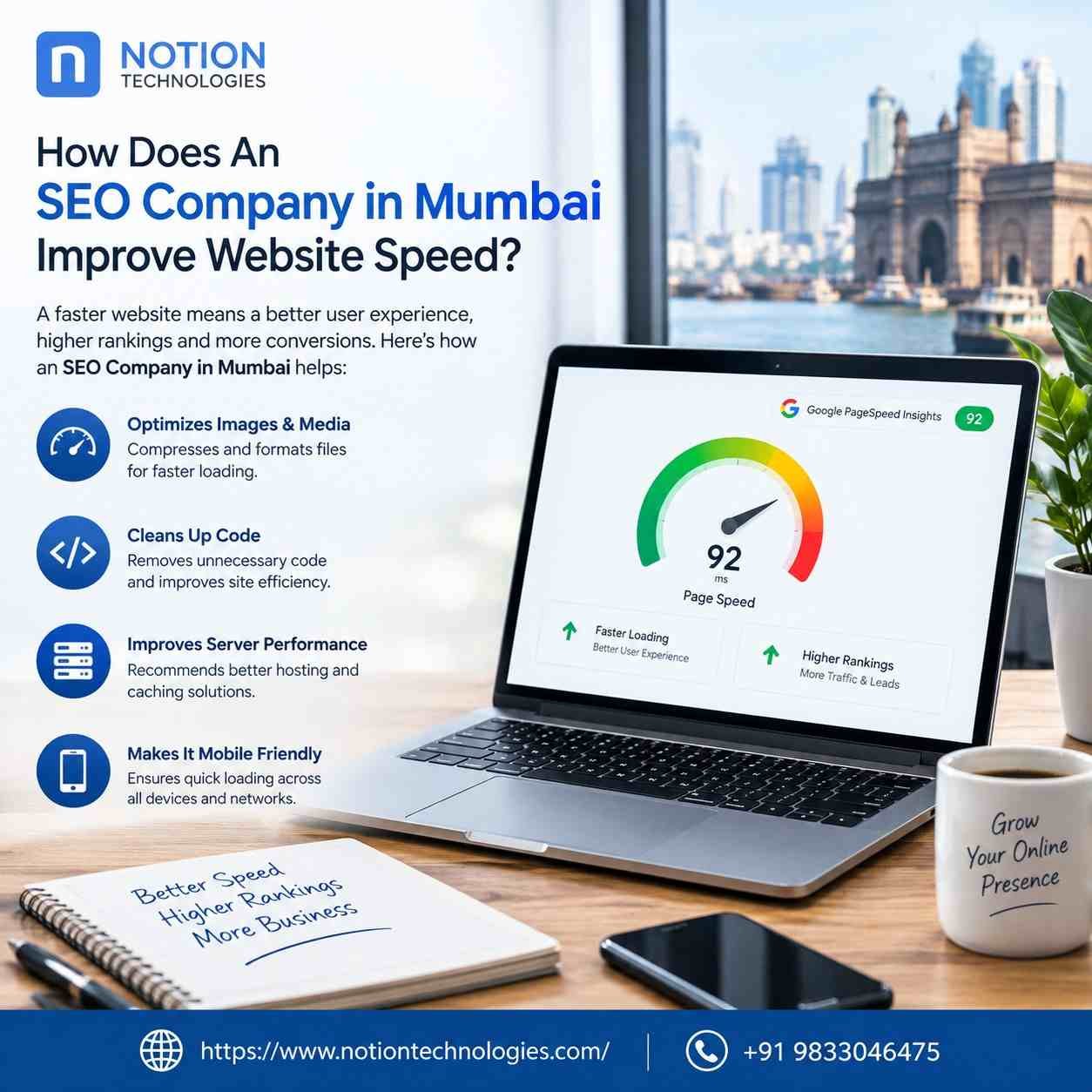
Website speed is an important part of providing a smooth online experience and supporting search performance. Slow-loading pages can make it difficult for visitors to access information, interact with website features, or complete desired actions. An SEO Company in Mumbai can improve website speed by identifying technical bottlenecks, optimizing images, reducing unnecessary code, improving caching, optimizing server performance, and addressing resources that delay page rendering. Speed optimization should be approached as an ongoing process because websites continuously change as new content, plugins, scripts, and features are added.
This blog explains how SEO professionals improve website speed, which technical areas they evaluate, and why performance optimization is important for businesses.
Why Website Speed Matters?
Website speed affects how visitors interact with a website. When pages take too long to load, visitors may leave before viewing the content or completing an action.
A faster website can support:
* Better user experience
* Easier navigation
* Improved mobile usability
* Higher engagement
* Better conversion opportunities
* More efficient crawling
Website speed should therefore be considered alongside content, technical SEO, and overall website usability.
Conducting a Website Speed Audit
The first step is identifying why a website is slow. SEO professionals can conduct a detailed performance audit to locate technical issues affecting loading times.
An audit may examine:
* Page loading times
* Server response time
* Image sizes
* JavaScript
* CSS files
* Browser caching
* Third-party scripts
* Database performance
* Mobile performance
The results provide a roadmap for prioritizing speed improvements.
Optimizing Images
Large, unoptimized images are a common cause of slow-loading pages. Websites often contain banners, product images, galleries, and other visual content that can increase page size.
Image optimization may include:
* Compressing images
* Using modern image formats
* Choosing appropriate dimensions
* Implementing responsive images
* Removing unnecessary image data
* Using lazy loading
Optimized images can reduce page weight while maintaining appropriate visual quality.
Using Modern Image Formats
Traditional image formats can sometimes result in larger files than newer alternatives. Modern formats can reduce file size while maintaining suitable image quality.
Depending on browser and website requirements, optimization may involve formats such as:
* WebP
* AVIF
* Optimized JPEG
* Optimized PNG
The appropriate format depends on the type of image and how it is used on the website.
Implementing Browser Caching
Caching allows certain website resources to be stored temporarily in a visitor's browser. When the visitor returns to the website, cached resources may not need to be downloaded again.
Caching can improve repeat-visit performance for:
* Images
* CSS files
* JavaScript files
* Fonts
* Other static resources
Proper cache settings should be configured according to the website's content and update frequency.
Using Content Delivery Networks
A Content Delivery Network distributes website resources through servers located in different geographic regions. Visitors can receive resources from a server that is geographically closer to them.
CDNs can help improve the delivery of:
* Images
* JavaScript
* CSS
* Fonts
* Static website files
CDN implementation should be configured carefully to ensure that caching and content delivery work correctly.
Reducing Unnecessary JavaScript
JavaScript can provide interactive features, but excessive or poorly optimized scripts can delay page rendering.
SEO professionals and developers can review scripts to identify:
* Unused JavaScript
* Duplicate scripts
* Render-blocking scripts
* Heavy third-party libraries
* Scripts that are not required immediately
Removing or deferring unnecessary scripts can improve page loading performance.
Optimizing CSS
CSS controls the visual presentation of website pages. Large or inefficient CSS files can increase the amount of data browsers need to process.
Optimization can include:
* Removing unused CSS
* Minifying CSS files
* Combining resources where appropriate
* Loading critical styles efficiently
* Reducing unnecessary dependencies
Efficient CSS helps browsers render pages more quickly.
Minifying Website Resources
Minification removes unnecessary characters from code without changing its functionality. This can reduce the size of files that need to be transferred to the visitor's browser.
Resources that may be minified include:
* HTML
* CSS
* JavaScript
Smaller files can reduce transfer times, particularly for users on slower connections.
Improving Server Response Time
The server needs to respond quickly when a visitor requests a website page. Slow server response can affect overall loading performance.
Performance improvements may involve:
* Better hosting resources
* Server configuration
* Database optimization
* Caching
* Efficient backend processing
* Content delivery improvements
Server optimization requirements depend on the website's platform and infrastructure.
Optimizing Website Databases
Dynamic websites often rely on databases to store products, content, customer information, orders, and other data. Poorly optimized databases can slow down page generation.
Database optimization may involve:
* Removing unnecessary data
* Optimizing queries
* Improving database indexes
* Managing revisions
* Cleaning temporary records
* Reviewing database-heavy processes
Database performance can be particularly important for e-commerce stores and web applications.
Reducing Redirects
Redirects are useful when URLs change, but excessive redirect chains can create unnecessary requests before visitors reach the final page.
An SEO professional may review:
* Redirect chains
* Redirect loops
* Outdated redirects
* Internal links pointing to redirected URLs
Simplifying redirect paths can reduce unnecessary loading steps.
Improving Mobile Website Speed
Mobile users may access websites through slower networks and devices with fewer resources than desktop computers. Mobile speed optimization is therefore an important part of technical SEO.
Mobile improvements can include:
* Responsive images
* Reduced page resources
* Efficient scripts
* Mobile caching
* Simplified layouts
* Optimized fonts
A mobile-first approach helps create a more consistent browsing experience.
Optimizing Web Fonts
Custom fonts can add additional requests and increase page loading time. Poorly configured fonts may also cause visible text delays.
Optimization can include:
* Reducing unnecessary font variations
* Using appropriate font formats
* Preloading critical fonts where appropriate
* Applying efficient font-display settings
* Hosting fonts efficiently
Only the fonts and weights needed by the website should be loaded.
Managing Third-Party Scripts
Websites frequently use third-party services for analytics, advertising, chat, social media widgets, maps, and other functionality. These scripts can affect loading performance.
An SEO professional can review third-party scripts and determine whether they should be:
* Removed
* Delayed
* Deferred
* Loaded conditionally
* Replaced with lighter alternatives
Reducing unnecessary third-party requests can improve page performance.
Implementing Lazy Loading
Lazy loading delays the loading of certain resources until they are needed. This can be useful for images and other content located below the initial visible area.
For example, a long webpage containing multiple images does not necessarily need to load every image immediately. Lazy loading can prioritize content that visitors see first.
Improving Core Web Vitals
Core Web Vitals provide performance measurements related to loading, responsiveness, and visual stability. SEO professionals can use these metrics to identify specific areas requiring attention.
Important measurements include:
* Largest Contentful Paint
* Interaction to Next Paint
* Cumulative Layout Shift
Improving these areas can contribute to a smoother page experience.
Optimizing Website Code
Unnecessary or inefficient code can increase page size and processing requirements. Technical optimization may involve reviewing the website's HTML, CSS, JavaScript, and other resources.
Code optimization can include:
* Removing unused elements
* Reducing unnecessary requests
* Improving script loading
* Simplifying page resources
* Optimizing website components
Technical improvements should be tested to ensure that functionality remains intact.
Improving Page Structure
A clean page structure can help browsers process and display important content efficiently. SEO professionals can work with developers to identify elements that delay the rendering of primary content.
A well-structured page can prioritize:
* Main content
* Important headings
* Primary images
* Navigation
* Calls to action
This supports a more efficient initial loading experience.
Monitoring Website Speed Regularly
Speed optimization should not stop after the first technical improvements. Websites can become slower when new plugins, images, scripts, content, or features are added.
An SEO Company in Mumbai can monitor website performance regularly and identify new issues as they develop.
Ongoing monitoring can track:
* Page speed
* Core Web Vitals
* Server response
* Mobile performance
* Resource sizes
* Technical errors
Regular reviews help maintain performance over time.
Testing Speed Improvements
Every optimization should be tested before being considered complete. Removing scripts or changing caching settings can sometimes affect website functionality.
Testing can cover:
* Desktop performance
* Mobile performance
* Different browsers
* Key landing pages
* Forms
* Shopping carts
* Navigation
* Interactive features
Testing ensures that speed improvements do not create new usability problems.
Benefits of Website Speed Optimization
Improving website speed can provide several benefits:
* Better user experience
* Faster content access
* Improved mobile usability
* Reduced loading friction
* Better engagement opportunities
* More efficient resource delivery
* Stronger technical website performance
The actual impact varies according to website type, audience, existing performance, and the improvements implemented.
Conclusion
Website speed optimization involves multiple technical factors, including image compression, caching, code optimization, server performance, database efficiency, mobile optimization, third-party scripts, redirects, fonts, and Core Web Vitals. A structured approach can help identify performance bottlenecks and prioritize improvements without compromising website functionality. **Notion Technologies** provides SEO solutions that include technical optimization and performance-focused strategies designed to help businesses improve website speed, usability, search visibility, and long-term online performance.
Frequently Asked Questions
1. How does an SEO Company in Mumbai improve website speed?
An SEO Company in Mumbai can improve website speed by conducting performance audits, optimizing images, reducing unnecessary JavaScript and CSS, implementing caching, improving server response times, optimizing databases, managing third-party scripts, reducing redirects, improving mobile performance, optimizing fonts, and monitoring Core Web Vitals.
2. Why is website speed important for SEO?
Website speed contributes to user experience and page performance. Faster websites can make it easier for visitors to access content and interact with pages, while technical performance is also considered within Google's page experience systems.
3. Can image optimization make a website faster?
Yes. Compressing images, using appropriate dimensions and modern formats, and implementing responsive or lazy-loaded images can reduce page size and improve loading performance.
4. What are Core Web Vitals?
Core Web Vitals are Google's user-focused measurements for aspects of web page experience. They include metrics related to loading performance, responsiveness, and visual stability.
5. Can caching improve website speed?
Yes. Browser and server caching can reduce the need to repeatedly download or generate certain resources, which can improve loading performance for appropriate website visitors.
Tags : SEO Company in Mumbai