How Do General Contractors Manage Large-Scale Industrial Projects in Saudi Arabia
By anwaarmashair 18-08-2026 53
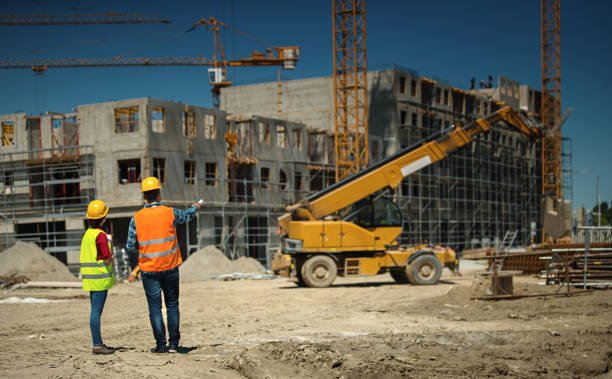
Large-scale industrial projects in Saudi Arabia involve complex engineering, strict safety requirements, extensive supply chains, and demanding schedules. From manufacturing plants and warehouses to energy facilities and industrial infrastructure, these projects require careful coordination from the initial planning stage through commissioning and handover. This is where general contracting services Saudi Arabia play an important role, bringing together engineering, procurement, construction, project management, and quality control under one coordinated approach.
Saudi Arabia’s construction environment also requires contractors to work within established regulatory and technical frameworks. The Saudi Building Code provides requirements covering areas such as structural design, construction, fire protection, mechanical and electrical systems, energy conservation, and other aspects of building safety and performance.
1. Detailed Project Planning
Successful industrial construction starts with comprehensive planning. General contractors first study the project scope, technical specifications, site conditions, drawings, schedules, budget, and client requirements.
For a large industrial facility, planning can involve multiple work packages, including civil construction, structural steel, mechanical systems, electrical installations, process equipment, utilities, roads, drainage, fire protection, and finishing works.
Contractors establish a master schedule and divide the project into manageable phases. Milestones are assigned to design approvals, procurement, civil works, equipment delivery, installation, testing, commissioning, and final handover. Advanced planning helps identify potential delays before they affect critical activities.
2. Coordinating Engineering and Construction
Industrial projects typically involve several engineering disciplines working simultaneously. Civil, structural, mechanical, electrical, instrumentation, and architectural teams must coordinate their work to avoid conflicts.
General contractors establish communication systems that allow engineers, consultants, subcontractors, and clients to work from approved information. Building Information Modeling (BIM), digital drawings, document-control platforms, and progress-monitoring systems can help teams identify design clashes and improve coordination.
This approach is particularly important when large equipment, pipelines, electrical systems, and structural components must occupy the same space. Resolving conflicts during the design and planning stage is generally easier and less expensive than correcting them during construction.
3. Managing Procurement and Supply Chains
Procurement is another major responsibility in large-scale industrial projects. Contractors must source construction materials, machinery, electrical equipment, structural components, piping systems, and other specialized products while maintaining project specifications and delivery schedules.
A procurement team typically prepares purchasing schedules based on construction priorities. Long-lead equipment is identified early so that manufacturing and transportation can be completed before installation activities begin.
Contractors also evaluate suppliers based on technical compliance, quality, delivery capability, commercial terms, and previous performance. Effective procurement management reduces the risk of material shortages and helps keep construction activities moving according to schedule.
4. Maintaining Quality Control
Quality management is essential for industrial facilities because construction defects can affect safety, performance, durability, and future operating costs.
Contractors establish inspection and testing procedures for different construction activities. These may include concrete testing, welding inspections, material verification, structural inspections, equipment installation checks, electrical testing, and pressure testing.
The Saudi Building Code includes specific provisions related to construction, structural works, inspections, and material testing. For example, SBC 302 addresses structural concrete construction, temporary construction structures, and requirements related to inspection and material testing.
Quality teams therefore maintain inspection records, test reports, material certificates, approvals, and other documentation required for project closeout.
5. Prioritizing Health and Safety
Industrial construction sites can contain significant hazards, including heavy machinery, elevated work, welding operations, electrical systems, excavation, lifting activities, and vehicle movement.
General contractors establish health and safety procedures before work begins. Site teams conduct safety inductions, toolbox meetings, equipment inspections, permit-to-work procedures, emergency drills, and regular safety audits.
Safety management is not treated as a separate activity. It is integrated into daily planning. Before a high-risk task starts, supervisors evaluate the work environment, required equipment, personnel qualifications, protective measures, and emergency arrangements.
Strong safety management protects workers while also helping contractors avoid disruptions, accidents, and costly project delays.
6. Managing Subcontractors and Workforce
Large industrial projects often involve numerous specialized subcontractors. A general contractor coordinates these companies to ensure that their activities follow the overall project schedule and technical requirements.
For example, one subcontractor may handle civil works while another manages structural steel, mechanical installation, electrical systems, fire protection, or specialist equipment. The contractor must establish clear responsibilities and monitor each subcontractor's progress.
Daily coordination meetings, weekly progress reviews, performance reports, and inspection procedures help maintain accountability. Workforce planning is equally important because industrial projects may require large numbers of skilled workers at different stages.
7. Controlling Costs and Project Changes
Cost control becomes increasingly challenging as project size and complexity increase. Contractors establish budgets for labor, materials, equipment, subcontractors, transportation, and other project expenses.
Project teams continuously compare actual spending with planned costs. They also monitor variations caused by design changes, material substitutions, site conditions, or client requirements.
A structured change-management process ensures that changes are documented, evaluated, approved, and incorporated into the project schedule and budget. This reduces disputes and provides greater financial transparency for both contractors and clients.
8. Managing Regulatory Compliance
Compliance is a fundamental part of industrial construction in Saudi Arabia. Contractors must understand applicable codes, licensing requirements, inspections, permits, and project-specific standards.
The Saudi Building Code Center describes the Saudi Building Code as a framework intended to ensure safety and public health, and the 2024 code system includes multiple specialized codes covering structural, construction, electrical, mechanical, fire protection, and energy-related requirements.
The implementing regulations also define the contractor as a licensed person or entity responsible for construction, installation, operation, or maintenance work according to the applicable code.
For major industrial developments, contractors therefore need experienced compliance teams capable of coordinating with relevant authorities, consultants, inspectors, and project stakeholders.
9. Monitoring Progress and Solving Problems
Industrial construction rarely proceeds exactly according to the original plan. Weather, material delays, design changes, site conditions, equipment availability, and unforeseen technical issues can affect progress.
Experienced contractors use progress tracking to identify deviations early. Project managers review completed quantities, workforce productivity, procurement status, equipment availability, and upcoming activities.
When problems arise, teams assess their impact and develop corrective actions. The objective is not simply to react to delays but to identify risks early enough to protect critical milestones.
10. Testing, Commissioning, and Handover
The final stage of an industrial project is more than completing physical construction. Equipment and systems must be inspected, tested, commissioned, and documented before the facility can be handed over.
Commissioning may involve electrical testing, mechanical testing, equipment start-up, control-system verification, fire protection testing, and integrated system checks.
Contractors also prepare as-built drawings, operation and maintenance manuals, warranties, inspection certificates, test reports, and other closeout documentation. Proper handover gives the owner the information required to operate and maintain the facility effectively.
Conclusion
Managing a large-scale industrial project in Saudi Arabia requires far more than supervising construction crews. General contractors must coordinate engineering disciplines, procurement, subcontractors, quality systems, safety programs, budgets, schedules, regulatory compliance, and commissioning activities.
The strongest contractors combine technical expertise with disciplined project management and clear communication. By planning carefully, monitoring progress, maintaining quality, managing risks, and complying with Saudi construction requirements, contractors can deliver complex industrial facilities safely, efficiently, and to the required standards.
As Saudi Arabia continues developing industrial infrastructure and major economic projects, professional project execution will remain a key factor in turning ambitious industrial plans into reliable, operational facilities.