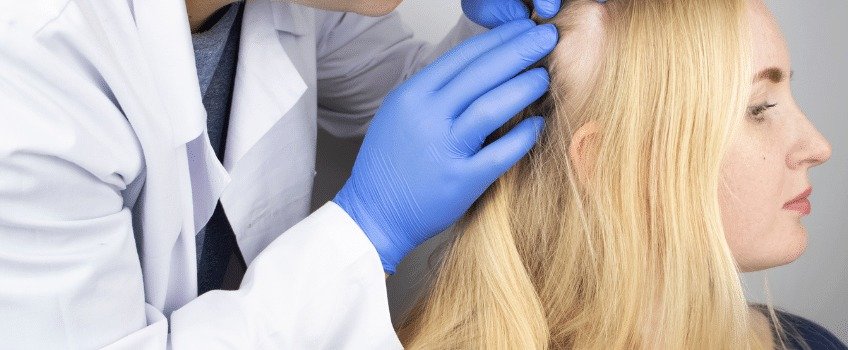
Autoimmune hair loss caused by alopecia areata is a complex condition where the body’s immune system mistakenly attacks healthy hair follicles, leading to patchy or widespread hair shedding. Managing this condition requires a carefully structured clinical approach that balances immune control, hair regrowth stimulation, and long-term monitoring. Modern dermatology has refined multiple evidence-based strategies that are tailored to disease severity, patient history, and response patterns, making outcomes increasingly predictable when managed correctly with Alopecia Areata Treatment in Dubai as part of globally aligned therapeutic protocols.
Understanding the Autoimmune Nature of Hair Loss
Alopecia areata is primarily driven by immune dysregulation rather than external damage to the scalp or hair shafts. In this condition, T-cells target hair follicles during their growth phase, forcing them into premature rest. Clinics approach this by first understanding the inflammatory activity beneath the skin surface. The unpredictable nature of flare-ups and remissions makes early identification critical, as active immune attacks are more responsive to intervention than long-standing dormant follicles.
Hair follicles remain structurally intact in most cases, which is why regrowth is possible. However, repeated immune assaults can weaken follicular resilience over time. This is why clinical management focuses not only on restoring hair but also on recalibrating immune response to reduce recurrence risk.
Diagnostic Evaluation and Severity Mapping
Before initiating treatment, clinics conduct a detailed evaluation to map the extent and behavior of hair loss. This includes assessing whether the condition is patchy, total scalp involvement, or affects other body hair regions. Trichoscopic analysis helps identify characteristic signs such as exclamation mark hairs and black dots, which indicate active disease.
Clinicians also consider patient history, including stress triggers, autoimmune comorbidities, and genetic predisposition. Blood tests may be used to rule out thyroid disorders or other immune-related abnormalities that often coexist with alopecia areata. This structured diagnostic phase ensures that treatment strategies are not generalized but precisely aligned with disease behavior and progression patterns.
Medical Treatment Strategies for Immune Control
The primary goal of clinical intervention is to suppress the abnormal immune response while encouraging follicular recovery. Topical corticosteroids are commonly used in early or mild cases to reduce localized inflammation. In more active presentations, intralesional corticosteroid injections are often applied directly to affected areas to deliver concentrated anti-inflammatory effects.
Topical immunotherapy is another widely used method where controlled allergic reactions are induced to redirect immune activity away from hair follicles. This approach requires careful monitoring but has shown significant effectiveness in chronic or resistant cases.
In addition, advanced systemic therapies may be considered for extensive hair loss. These include oral immunomodulators that regulate immune signaling pathways responsible for follicle attack. Treatment selection depends on severity, duration of hair loss, and response to prior therapies, ensuring a personalized and adaptive clinical plan.
Immune Modulation and Emerging Therapies
Recent advancements in dermatological science have introduced targeted therapies that focus on specific immune pathways involved in alopecia areata. Janus kinase (JAK) inhibitors have shown promising results by interrupting the inflammatory signals that trigger follicular shutdown. These medications represent a shift toward precision-based treatment rather than broad immune suppression.
Some clinics also incorporate supportive regenerative techniques that enhance scalp health and follicular recovery potential. While these approaches do not directly modify immune activity, they create an optimal environment for regrowth once inflammation is controlled. Continuous monitoring ensures that treatment response is tracked and adjusted as needed, reducing the likelihood of relapse.
Personalized Care and Long-Term Monitoring
Managing alopecia areata is not a one-time intervention but an ongoing process that requires consistent evaluation. Clinics typically design phased treatment plans that evolve with patient response. Early stages focus on stopping active hair loss, while later phases prioritize strengthening regrowth and preventing recurrence.
Lifestyle factors, including stress management, nutrition, and sleep quality, are often considered supportive elements in treatment planning. Although they do not directly cause alopecia areata, they can influence immune balance and flare-up frequency.
Regular follow-ups allow clinicians to adjust medication intensity, switch therapeutic modalities, or introduce combination approaches when necessary. This dynamic care model ensures that treatment remains effective even as the condition changes over time.
Emotional Support and Psychological Considerations
Hair loss from autoimmune conditions often carries a psychological burden that extends beyond physical appearance. Clinics recognize that emotional well-being plays a significant role in treatment adherence and recovery perception. Patients may experience anxiety, reduced confidence, or frustration due to unpredictable regrowth cycles.
Supportive counseling and education help individuals understand the nature of the condition, reducing uncertainty and improving engagement with treatment protocols. When patients are informed about the biological mechanisms behind hair loss, they are more likely to remain consistent with long-term care strategies and realistic expectations.
Long-Term Outlook and Evolving Treatment Pathways
The long-term management of alopecia areata continues to evolve as new therapies emerge and immune science advances. While no single cure exists, modern clinical frameworks allow for effective control and meaningful hair regrowth in many cases. The combination of immune modulation, targeted therapy, and structured monitoring provides a comprehensive pathway for sustained improvement.
Ongoing research continues to refine treatment precision, aiming to reduce recurrence rates and improve response consistency across different patient profiles. With structured care models and advanced therapeutic options, patients have greater opportunities to manage their condition effectively through scientifically guided protocols such as Alopecia Areata Treatment integrated into modern dermatological practice.