How Culinary Team Building Enhances Participation During a Team Building Workshop
By EKA Team Building 20-02-2026 150
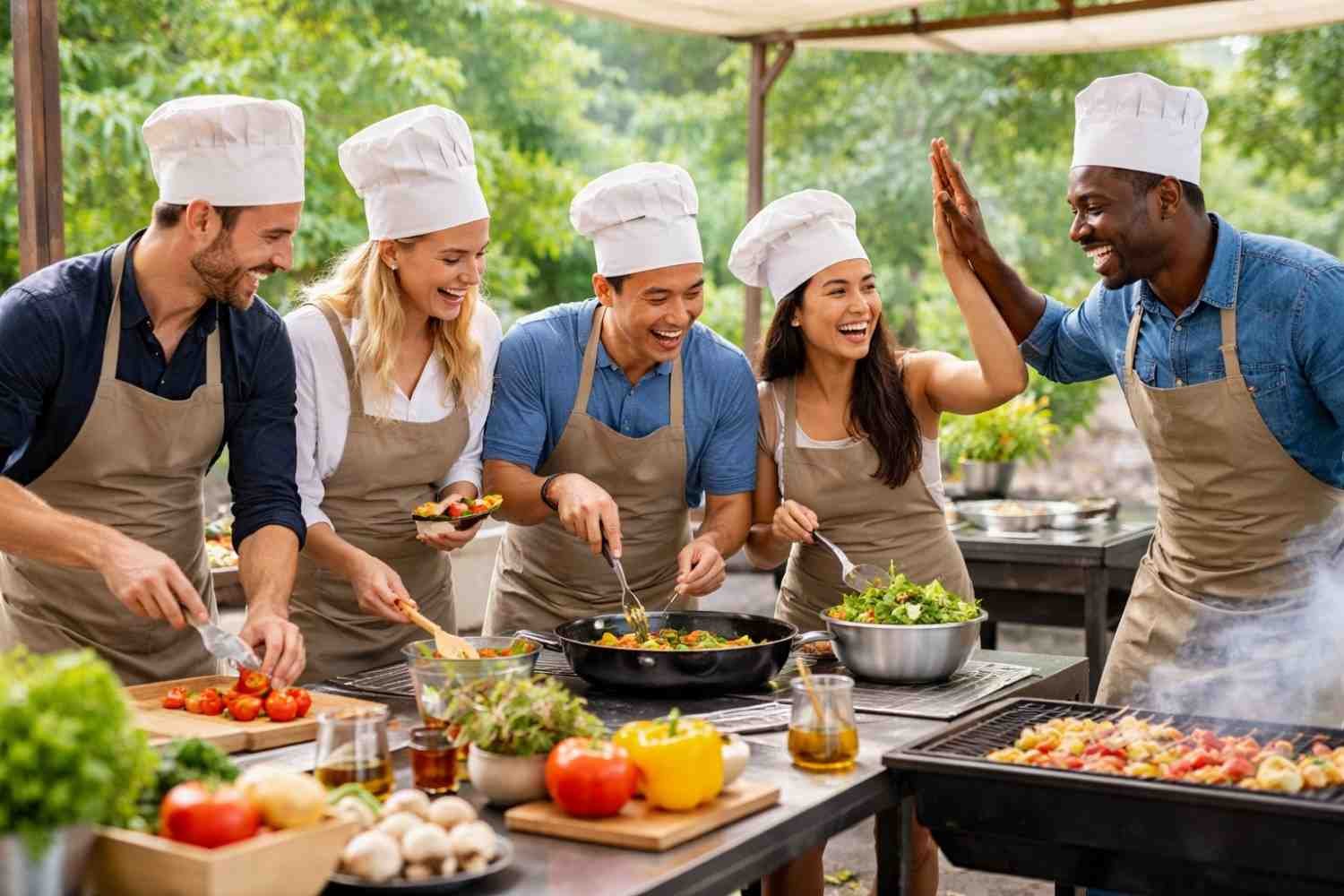
Team workshops often struggle with low energy and mixed engagement. Some people hold back. Others switch off. Yet one simple shift can change the whole dynamic. More teams now turn to culinary team building because cooking breaks barriers fast.
Most workshops fall flat because they feel forced. People want hands-on tasks that feel real, not staged. When a group works together in a kitchen, walls drop, and involvement rises. They talk more. They take part and enjoy the shared goal.
This guide shows why team building sparks active participation and how it transforms a standard workplace session into something meaningful. Let’s look at why cooking lights up a room better than any icebreaker.
Why Culinary Team Building Works Better Than Traditional Activities
Culinary challenges strike a balance between fun and purpose. They pull everyone into the moment. No one can sit on the edge when there’s chopping, timing, tasting, and plating to do.
Gives People a Clear, Shared Goal
Cooking creates instant focus. The team must produce a dish together. Because the goal is simple, every person finds a role fast.
Levels the Playing Field
You don’t need cooking skills to enjoy the task. Even those who claim they cannot cook often laugh their way into the activity. This sense of ease boosts involvement.
Ignites Natural Conversation
People talk more in kitchens. There’s movement, noise, and a relaxed setting that removes the pressure of a formal meeting room.
How Culinary Team Building Enhances Participation in a Team Building Workshop
1. It Removes Awkwardness and Encourages Natural Interaction
Workshops can feel stiff in the early stages. People worry about saying the wrong thing. Cooking shifts the mood at once.
What changes in the room
- People join in because the task feels simple
- Movement helps break tension
- Laughter comes easily around food
- Teams bond without any forced dialogue
The atmosphere grows lighter, helping even quiet members open up.
2. It Engages Every Learning Style
Not everyone responds well to slides or speeches. A culinary task appeals to different ways people learn:
- Hands-on participants love chopping, mixing, and plating.
- Visual learners enjoy seeing a dish come together
- Social learners thrive through group interaction.
- Logical thinkers enjoy breaking down the recipe into steps.
Because the activity hits many learning styles at once, no one feels left out. This lifts overall participation during the workshop.
3. It Encourages Equal Contribution
In many team-building workshop sessions, a few voices dominate. Cooking flips this pattern. The kitchen needs several tasks happening at once, so more people take ownership.
Small actions create big engagement
Someone might:
- Manage timing
- Season food
- Plate the dish
- Coordinate steps
- Keep the workstation tidy
Even tiny roles feel useful, which boosts involvement. This shared responsibility turns passive observers into active contributors.
4. It Builds Trust Through Shared Pressure
Cooking has built-in stakes. The dish must be ready in time. This adds a healthy level of pressure that unites people.
Why this matters
- Teams make quick decisions together
- They learn to trust each other’s judgment
- They support one another when mistakes arise
- They handle time limits as a group
These moments mirror real workplace challenges, but without the stress of real consequences.
5. It Sparks Creativity and Problem-Solving
Kitchens teem with creative energy. Teams experiment, taste, adjust, and refine. This encourages people to share ideas without fear.
Creativity benefits participation
- People become more vocal
- More ideas flow
- Mistakes become part of the fun
- Everyone feels safe adding input
A team building workshop thrives when ideas move freely, and culinary activities open that door.
6. It Encourages Reflection and Group Discussion
After the cooking task, groups naturally break into talk about what worked and what didn’t. Reflection becomes easy because the task was shared and enjoyable.
What teams often discuss
- How roles formed
- How decisions were made
- How communication improved
- How they solved problems
These insights bring depth to the workshop and raise the quality of participation in later sessions.
The Science Behind Why Food Boosts Participation
Food strengthens emotional bonds. Studies show that sharing a meal increases trust, empathy, and cooperation. Cooking together heightens this effect.
How food shapes workplace behaviour
- It stimulates the senses, making people more alert
- It triggers positive emotions
- It creates memories that tie people together
- It builds a sense of community
When people feel connected, they take part more freely.
Examples of Culinary Activities That Encourage Participation
1. Mystery Box Challenge
Teams receive a box of surprise ingredients and must create a dish. This builds teamwork, fast decision-making, and open discussion.
2. Recipe Relay
Each person handles one step before passing the dish on. This keeps everyone engaged and highlights the value of clear communication.
3. Plating Contest
Groups design and plate a final dish. It appeals to both creative and practical thinkers, inviting broad involvement.
How to Integrate Culinary Team Building Into a Team Building Workshop
- Plan activities that suit your group size: Small teams work well on a single dish. Larger groups can run multiple stations.
- Blend cooking with guided reflection: Follow the activity with a short discussion to connect the lessons to workplace behaviour.
- Create mixed groups: Blend introverts and extroverts, new hires and senior staff. Food creates natural balance.
- Keep the atmosphere relaxed: Music, light humour, and space to move all boost engagement.
Benefits Beyond Participation
Culinary team building improves more than involvement. It lifts team spirit, builds stronger workplace bonds, and boosts problem-solving skills.
Wider impacts
- Better communication in daily work
- More trust between departments
- Higher morale
- Stronger collaboration
It sets a tone that often lasts long after the workshop ends.
Conclusion
Culinary team building creates better engagement for workshops than standard workshop activities. The tasks feel real, the energy rises, and everyone takes part. Food creates social connections that few activities can match.
The system creates a teamwork environment that enables team members to work together. When teams cook side by side, they talk more, share more, and support one another.