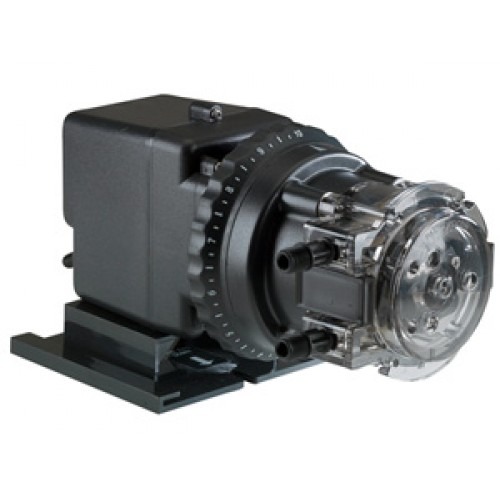
This is the best place to be in case you have ever questioned yourself how the industrial facilities are able to add the precise amount of chemicals to their water system, boiler feeds or treatment processes. The chemical metering pumps are the unsung hero of the accurate dosing, and the knowledge of their functionality will save you time, money, and countless headaches. I will simplify it down for you in simple terms.
What Exactly Is a Chemical Metering Pump?
Imagine that chemical metering pumps are the bartender you have never seen who is the most precise one—only that it does not mix cocktails; it adds in the right quantities of chemicals into your system. They are pumps that are made to inject a defined amount of liquid additives to a process stream with remarkable precision, typically within a range of 0.01 to a specified point.
Why precision matters:
- Cost control: The overdose wastes valuable chemicals and even harms equipment or the quality of the product.
- Safety compliance: In most industries, there are strict rules governing the concentration of the chemicals in the discharged water.
- Consistency in the processes: Be it drinking water or making pharmaceuticals, the ability to repeat the same results is based on the precise amount of the chemical ratios.
The Main Types of Chemical Metering Pumps
We have had almost every form of application of pumps at Water Treatment Parts Supplier, and which kind of pump you require is determined by what you are attempting to accomplish. The most common are these options that you are supposed to know about.
Diaphragm Chemical Metering Pumps
The workhorses of the metering pump industry are these. One has a flexible diaphragm that pushes and pulls back and forth to provide a pumping that pulls in and expels the chemical by the use of check valves. They are so dependable and capable of processing any type of aggressive acid or even thick slurry.
Key advantages:
- Leak-free operation: The diaphragm is a barrier between the chemical and pump motor, thus there is no seal that will wear out.
- Extensive chemical compatibility: They can work with corrosive and abrasive fluids, as well as viscous fluids that would destroy other types of pumps.
- Easy maintenance: In case of service the diaphragm and valves are usually swapped around, there are no complex seal systems to fiddle with.
Peristaltic Metering Pumps
These pumps consist of rotating rollers to squeeze a flexible tube, and the chemical is forced forward through a tube like toothpaste. They fit the tube only once, hence classifying them as ideal in ultra-pure conditions or when you are changing the chemicals with a high frequency.
Key advantages:
- Risk of zero contamination: This means that the chemical does not come into contact with any part of the pump; therefore, there is no cross-contamination.
- Self-priming ability: They can operate dry and can comfortably cope with entrained air liquids.
- Changeover time: Replace the tube in minutes when changing chemicals or during maintenance.
How Chemical Metering Pumps Actually Work
And now we will enter into the mechanics. The majority of metering pumps are relatively simple in operation; however, it is all in the details.
The basic cycle:
- Suction stroke: the pump sets up the negative pressure, which forces the inlet check valve and pulls chemical off your supply tank.
- Discharge stroke: The inlet valve is closed and the outlet valve is opened, forcing the chemical into your process line.
- Repeat with accuracy: This cycle occurs at an organizationally controlled rate that can be adjusted according to your flow needs.
It is not the pumping action that is special about these pumps, it is the control. The Water Treatment Parts Supplier modern metering pumps have also an adjustment of stroke length, variable speed drives and even a digital control that allows you to dial in the specific flow rate you require. Others can be connected to your automation system to control dosing based on real-time sensors.
Control features that matter:
- Turndown ratio: The good metering pumps may be used with 10-100 percent of their full capacity without losing precision.
- Pulse dampeners: These reduce the pulsing flow that is a characteristic of the reciprocating pumps and provide a steady flow.
- Calibration tracking: Most recent models record performance information in such a way that you can see whether they are doing what they are supposed to be doing.
Choosing the Best Pump for Metering Chemical Additives
This is where experience comes in. Not all chemical metering pumps should be used on all tasks, and the selection of the incorrect one may result in malfunctions, downtimes, and frustrated operators.
What to consider:
- Chemical compatibility: Check the manufacturer's compatibility charts—some chemicals will eat through seals and diaphragms that work fine with others
- Flow rate requirements: Size your pump for normal operation at 70-80% capacity, giving you room to increase dosing if needed
- Pressure requirements: Your pump needs to overcome the system pressure plus any static head and friction losses in the injection line
The most common metered pump chemical applications that we are exposed to are pH adjustment, chlorination, corrosion inhibitor, scale inhibitor, and coagulant dosing. They are full of personal peculiarities, but the rules are similar.
Real-World Applications in 2026
The industry of chemical metering pumps has developed greatly. The modern pumps are smarter and efficient and can be easily fitted into the modern day control systems. We also have more IoT connection, predictive error notifications, and energy-efficient structures that lower the cost of operation.
The correct dosing of chemicals is assumed in the work of water treatment plants, manufacturing plants, food processing plants, and pharmaceutical companies. The technology may appear easy to understand but when you have to inject chlorine to the specific ppm or inject polymer at the appropriate time during a treatment process, there is no better option that a good metering pump.
Bottom Line
Chemical metering pumps provide precise day in day out chemical injection. Be it diaphragm chemical metering pumps geared towards heavy duty use or other alternatives, it is best to know more about the functioning of the pumps to enable you to make more informed decisions concerning your facility.
Water Treatment Parts Supplier that has established its reputation as a company that assists its customers in getting the appropriate metering solution that fits their needs. Since at the end of the day, precision is not merely about hitting numbers, it is about dependable operation, low costs, and the comfort of knowing that your process is within control.