In today’s rapidly changing educational landscape, schools are under increasing pressure to deliver meaningful learning experiences while preparing students for future challenges. Parents, educators, policymakers, and educational institutions all share a common goal: improving Educational Quality and Student Outcomes. Achieving this goal requires more than strong academic programs—it demands effective leadership, continuous improvement, teacher development, and a student-centered approach.
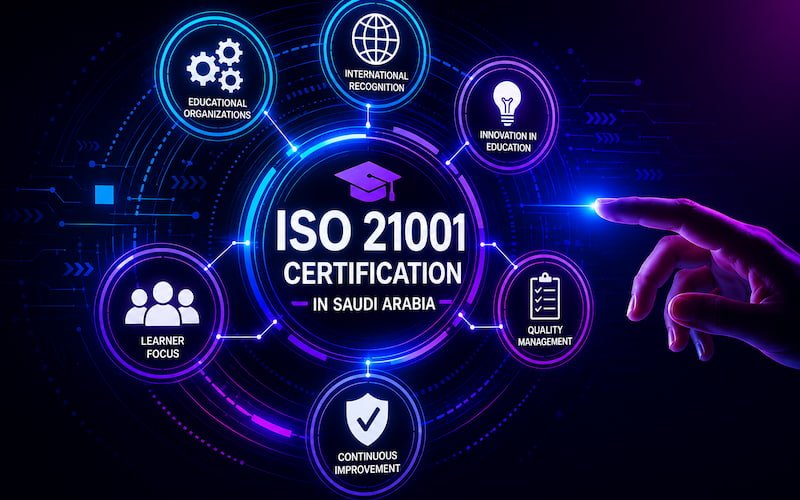
Many institutions are also exploring internationally recognized management systems such as iso 21001 certification in saudi arabia to establish structured educational processes, enhance learner satisfaction, and drive continual improvement. By adopting proven educational management practices, schools can create environments where students thrive academically, socially, and emotionally.This article explores practical strategies schools can implement to strengthen learning quality, improve performance, and create long-term success for both students and educators.
Understanding the Importance of High-Quality Education
Educational excellence goes beyond test scores and graduation rates. A successful institution provides students with the knowledge, skills, and confidence needed to succeed in higher education, careers, and life.
Quality-focused schools typically demonstrate:
Strong leadership and governance
Effective teaching methods
Continuous curriculum improvement
Student engagement and participation
Safe and supportive learning environments
Data-driven decision-making
When these elements work together, schools can achieve sustainable improvements in learning outcomes and institutional performance.
Key Factors That Influence Student Success
Strong Educational Leadership
School leaders play a crucial role in shaping educational performance. Effective leadership helps establish a clear vision, promotes accountability, and encourages innovation throughout the institution.
Successful educational leaders:
Set measurable objectives
Support teachers with resources and training
Encourage collaboration among staff
Monitor performance regularly
Foster a culture of continuous improvement
Schools with proactive leadership often experience higher levels of student achievement and organizational effectiveness.
Teacher Development and Professional Training
Teachers are the foundation of every successful educational institution. Investing in ongoing professional development helps educators stay updated with modern teaching methodologies and classroom management techniques.
Areas of professional development may include:
Digital learning technologies
Student assessment methods
Inclusive education practices
Classroom engagement strategies
Critical thinking and problem-solving instruction
Well-trained teachers are better equipped to address diverse learning needs and support student growth.
Student-Centered Learning Approaches
Traditional teaching models are gradually being replaced by approaches that place students at the center of the learning process.
Student-focused education encourages:
Active participation
Collaborative learning
Independent thinking
Creativity and innovation
Real-world problem solving
When students become active participants rather than passive recipients of information, learning becomes more meaningful and effective.
Building a Culture of Continuous Improvement
Establishing Clear Educational Objectives
Schools should define measurable goals that align with their mission and vision. Clear objectives help institutions evaluate progress and identify areas for enhancement.
Examples include:
Improving literacy rates
Increasing graduation rates
Enhancing student engagement
Strengthening digital competencies
Improving teacher effectiveness
Regular reviews ensure that goals remain relevant and achievable.
Using Data to Drive Better Decisions
Educational institutions generate valuable data through assessments, attendance records, surveys, and performance evaluations.
By analyzing this information, schools can:
Identify learning gaps
Monitor student progress
Improve teaching strategies
Allocate resources effectively
Measure program effectiveness
Data-driven decision-making enables schools to implement targeted improvements rather than relying on assumptions.
Encouraging Stakeholder Engagement
Educational success depends on collaboration among all stakeholders.
Important contributors include:
Students
Teachers
Parents
Administrators
Community organizations
Regular communication and feedback create stronger partnerships and improve institutional performance.
Enhancing Learning Through Technology
Technology has become an essential component of modern education. When implemented effectively, digital tools can improve learning experiences and support educational goals.
Benefits of Educational Technology
Modern learning technologies help schools:
Personalize learning experiences
Improve student engagement
Expand access to educational resources
Facilitate remote and hybrid learning
Track student progress more effectively
Examples include:
Learning management systems
Interactive digital classrooms
Educational applications
Virtual collaboration platforms
Artificial intelligence-based learning tools
The key is ensuring technology supports educational objectives rather than becoming a distraction.
Creating a Positive Learning Environment
Supporting Student Well-Being
Academic success is closely connected to emotional and social well-being.
Schools can support students by:
Providing counseling services
Promoting mental health awareness
Encouraging peer support programs
Creating inclusive learning environments
Implementing anti-bullying initiatives
Students who feel safe and supported are more likely to engage actively in their education.
Promoting Inclusivity and Accessibility
Every learner deserves equal opportunities to succeed.
Inclusive education involves:
Accommodating diverse learning needs
Supporting students with disabilities
Respecting cultural diversity
Eliminating barriers to learning
An inclusive environment helps all students reach their full potential.
Implementing Effective Educational Management Systems
Many educational institutions are adopting structured management frameworks to improve consistency and accountability.
A well-designed educational management system can help schools:
Standardize processes
Improve communication
Monitor performance indicators
Manage risks effectively
Enhance learner satisfaction
These frameworks provide a systematic approach to managing educational services and promoting excellence.
Benefits of Improving Educational Performance
Schools that focus on quality improvement often experience significant advantages.
For Students
Better academic achievement
Higher engagement levels
Improved critical thinking skills
Greater career readiness
Enhanced personal development
For Teachers
Increased professional confidence
Better classroom outcomes
Stronger collaboration opportunities
Continuous skill development
For Educational Institutions
Improved reputation
Greater stakeholder trust
Higher enrollment rates
Better operational efficiency
Long-term sustainability
These benefits contribute to stronger institutional performance and better learning experiences.
How Schools Can Choose the Right Improvement Strategy
Selecting the right approach requires careful evaluation of institutional needs and objectives.
Consider the following factors:
Assess Current Performance
Conduct comprehensive evaluations to identify strengths, weaknesses, opportunities, and challenges.
Define Long-Term Goals
Determine what success looks like for your institution and establish measurable objectives.
Engage Key Stakeholders
Gather input from teachers, students, parents, and administrators to ensure broad support.
Invest in Training and Resources
Provide educators and staff with the tools and knowledge necessary for successful implementation.
Monitor and Review Progress
Regular assessments help schools evaluate effectiveness and make necessary adjustments.
By following a structured improvement process, institutions can achieve meaningful and sustainable results.
Future Trends in Educational Excellence
Education continues to evolve in response to technological advancements and changing societal needs.
Emerging trends include:
Personalized learning pathways
Artificial intelligence in education
Competency-based learning models
Digital assessment systems
Increased focus on lifelong learning
Enhanced student well-being initiatives
Schools that adapt to these trends will be better positioned to meet future educational demands.
Conclusion
Improving Educational Quality and Student Outcomes requires a strategic combination of effective leadership, teacher development, student-centered learning, technology integration, and continuous improvement practices. Schools that prioritize these areas create environments where students can succeed academically and personally.
As educational institutions strive for excellence, structured frameworks such as iso 21001 certification in saudi arabia can provide valuable guidance for enhancing management systems, improving learner satisfaction, and supporting long-term educational success. By adopting a proactive approach to quality improvement, schools can deliver lasting value to students, educators, and communities.