How Backup Power Solutions Are Reshaping Energy Reliability Across Latin America
By johnryan 14-05-2026 113
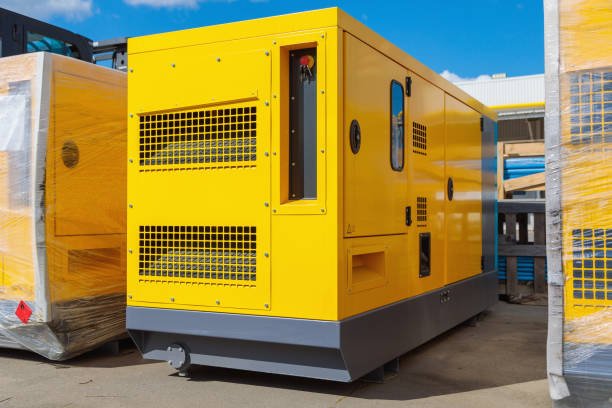
Power reliability has become a major concern across several Latin American economies as urbanization, industrial activity, and infrastructure development continue to expand. Businesses, healthcare facilities, telecom networks, and construction projects increasingly depend on uninterrupted electricity supply to maintain operations. As a result, diesel generators are becoming an important part of backup and continuous power strategies across the region.
Growing investments in manufacturing facilities, commercial infrastructure, and energy-intensive industries are also influencing demand for dependable power systems. In countries where grid instability and power outages remain common, diesel generators continue to provide operational continuity for both public and private sectors.
According to a Latin America diesel generator industry analysis, the sector is projected to grow at a CAGR of around 8% during 2020-25, supported by rising construction activity, increasing hybrid energy adoption, and expanding industrial demand. Brazil and Mexico remain among the key contributors to regional growth due to increasing greenfield investments and infrastructure expansion.
Grid Instability Continues to Influence Power Infrastructure Decisions
Several Latin American countries continue to experience periodic electricity disruptions caused by aging grid infrastructure, transmission limitations, and rising energy consumption. These conditions have increased the need for backup power systems capable of supporting critical operations during outages.
Industries such as oil & gas, mining, telecommunications, healthcare, and manufacturing often require continuous electricity to prevent operational disruptions and financial losses. Diesel generators remain widely used in these sectors because of their ability to deliver reliable power for extended periods.
The International Energy Agency highlights that strengthening energy resilience and improving electricity reliability remain important priorities for emerging economies facing growing power demand and infrastructure pressure. Reliable backup generation systems therefore continue to play a practical role in supporting operational stability across commercial and industrial facilities.
Construction and Infrastructure Expansion Supporting Equipment Demand
Rapid urban development across Latin America is contributing significantly to the deployment of diesel-powered backup systems. Large-scale infrastructure projects, commercial complexes, transportation facilities, and residential developments often require temporary and standby power solutions during construction and operational phases.
Countries including Brazil, Mexico, Argentina, and Chile are witnessing ongoing investments in industrial parks, logistics hubs, and public infrastructure. Construction sites frequently rely on diesel generators due to their portability, fuel efficiency, and suitability for remote locations where direct grid connectivity may not be available.
In addition, increasing development of data centers and telecom infrastructure is creating new opportunities for backup power equipment providers. Digital infrastructure facilities generally require uninterrupted electricity to maintain connectivity and prevent service interruptions.
Hybrid Energy Systems Are Changing Generator Applications
The integration of renewable energy systems with diesel generators is gradually transforming the regional energy landscape. Hybrid systems combining solar, battery storage, and diesel backup technologies are being adopted to improve fuel efficiency and reduce operational costs.
Hybrid power configurations are particularly relevant in remote industrial sites, mining operations, and rural locations where access to stable grid electricity remains limited. Diesel generators are increasingly functioning as support systems within broader energy management frameworks rather than serving as standalone solutions.
The growing focus on operational efficiency and emissions management has also encouraged manufacturers to introduce advanced monitoring systems, remote-control technologies, and improved fuel optimization capabilities. These innovations are helping operators manage maintenance schedules and reduce downtime more effectively.
Industrial Operations Remain a Key End-User Segment
Industrial facilities continue to represent one of the largest end-user categories for diesel generator deployment across Latin America. Manufacturing plants, mining operations, oil extraction sites, and heavy industrial units require consistent electricity supply to maintain productivity and equipment safety.
Diesel generators are particularly suitable for industrial environments because they can support high-load applications and extended operating durations. Their durability and operational efficiency continue to make them practical solutions in sectors where power interruptions could disrupt critical production processes.
Manufacturing expansion in countries such as Mexico and Brazil is further increasing electricity demand from industrial operators. As production capacities grow, many companies are strengthening backup infrastructure to reduce operational risks associated with unstable electricity supply.
Technology Advancements Are Improving Operational Efficiency
Manufacturers operating in the diesel generator industry are increasingly investing in technology upgrades aimed at improving performance and reliability. Smart monitoring systems, predictive maintenance technologies, and automated controls are becoming more common across modern generator systems.
Remote monitoring capabilities allow operators to track fuel consumption, runtime performance, and maintenance requirements in real time. These systems can improve equipment efficiency while minimizing unexpected operational failures.
Industry participants are also focusing on cleaner diesel technologies designed to comply with evolving environmental regulations. Improved engine efficiency and emission-control technologies are expected to influence future product development strategies in the regional power equipment sector.
Brazil and Mexico Continue to Lead Regional Adoption
Brazil and Mexico remain among the most significant contributors to diesel generator demand across Latin America. Industrial expansion, urban development, and commercial investments continue to support equipment deployment in both countries.
Brazil’s extensive industrial base and infrastructure development activities contribute to sustained demand for standby and continuous power systems. Mexico, meanwhile, benefits from manufacturing growth, nearshoring trends, and expanding logistics infrastructure.
Other countries including Chile and Argentina are also witnessing increased deployment of diesel generators in mining, commercial, and public infrastructure projects. The broader regional focus on improving energy reliability is likely to sustain long-term demand for backup power technologies.
Future Outlook for Latin America’s Backup Power Industry
The evolving energy landscape across Latin America is expected to continue influencing investments in backup power infrastructure. Rising electricity consumption, industrial expansion, and grid modernization challenges are contributing to sustained demand for reliable power generation systems.
While renewable energy deployment is accelerating across the region, diesel generators are likely to remain relevant in applications requiring dependable backup support and operational continuity. The integration of hybrid systems, digital monitoring technologies, and improved fuel efficiency solutions may further reshape the role of diesel generators within the regional energy ecosystem.
As infrastructure development and industrial activity continue to expand, the demand for resilient and flexible power solutions is expected to remain an important part of Latin America’s broader economic and energy transition strategies.