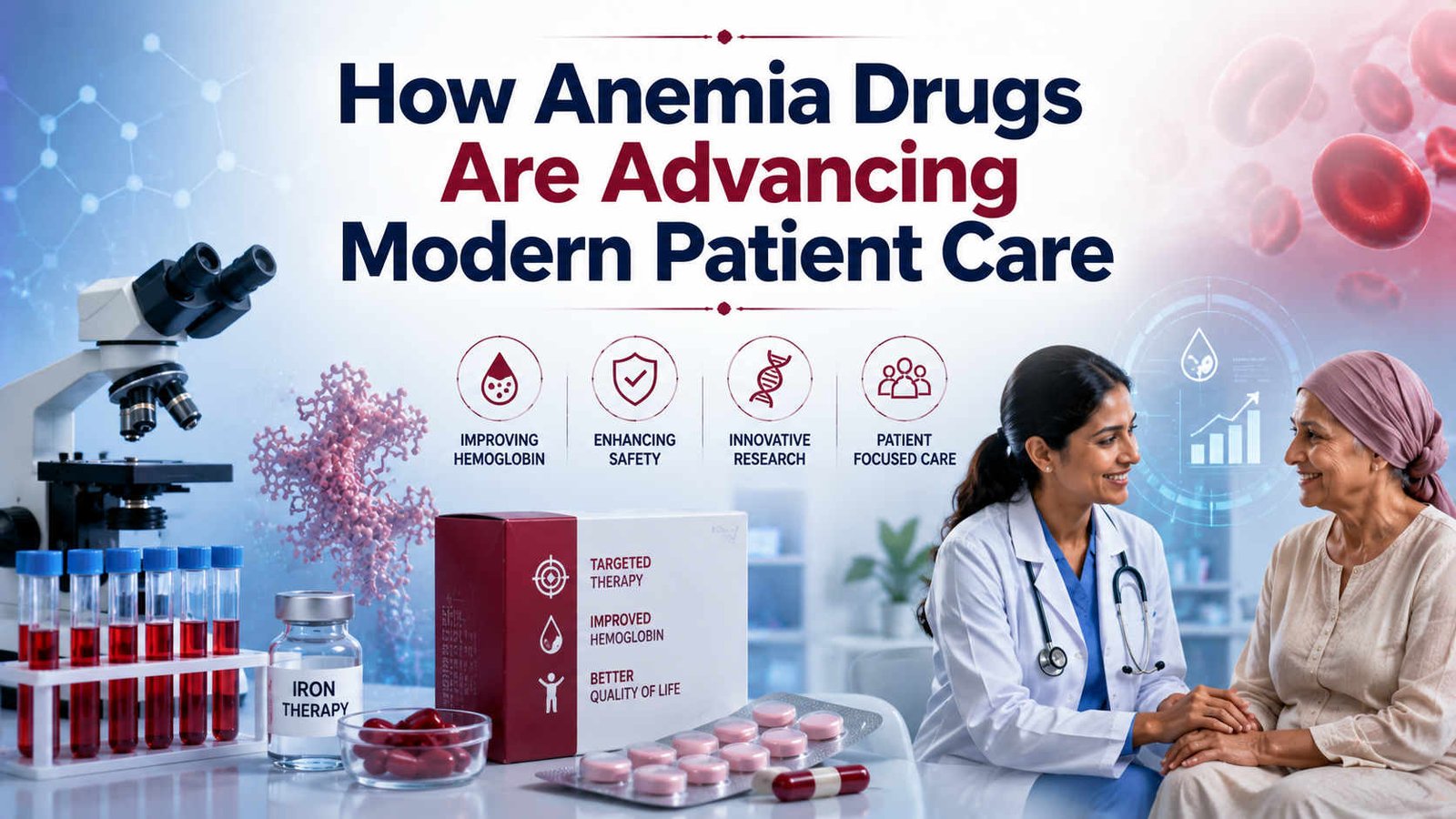
Anemia remains one of the most common blood-related health conditions worldwide, affecting people across different age groups and clinical settings. It develops when the body does not have enough healthy red blood cells or sufficient hemoglobin to transport oxygen effectively. As healthcare systems increasingly focus on early diagnosis and personalized treatment, the role of anemia drugs has become more significant in improving patient outcomes.
The growing emphasis on preventive healthcare, expanding access to diagnostic testing, and the rising burden of chronic diseases are shaping the future of anemia treatment. In addition, pharmaceutical innovation is introducing therapies that target the underlying causes of anemia rather than simply managing symptoms. According to the Anemia Drugs industry analysis, advances in drug development and increasing healthcare investments are contributing to the evolution of this therapeutic segment.
Why the Demand for Anemia Drugs Is Increasing?
Anemia is not a single disease but a condition associated with multiple underlying factors, including iron deficiency, chronic kidney disease, cancer therapies, nutritional deficiencies, and inherited blood disorders. The growing prevalence of these conditions has created sustained demand for effective anemia management solutions. The increasing number of elderly individuals, who are more vulnerable to chronic illnesses and nutritional imbalances, is also supporting the adoption of advanced therapies.
Public health organizations continue to highlight the importance of addressing anemia as a global healthcare priority. The World Health Organization's anaemia information resource notes that anemia remains a widespread public health concern, particularly among women and children, emphasizing the need for improved prevention and treatment strategies.
Innovation Is Expanding Treatment Options
Traditional iron supplements have long been the foundation of anemia management, but the treatment landscape is becoming more diverse. Physicians now have access to intravenous iron formulations, erythropoiesis-stimulating agents, vitamin-based therapies, and specialized drugs designed for anemia associated with chronic diseases. These innovations help healthcare providers tailor treatment plans according to the severity and cause of the condition.
Research activities are also exploring therapies that improve iron metabolism, stimulate red blood cell production more effectively, and reduce the treatment burden for patients requiring long-term care. The shift toward targeted therapeutics reflects a broader movement within modern medicine, where precision-based approaches are replacing one-size-fits-all treatment models.
The Role of Chronic Diseases in Market Development
The increasing prevalence of chronic kidney disease, cancer, autoimmune disorders, and gastrointestinal conditions has significantly influenced the demand for anemia therapies. Many patients undergoing chemotherapy or living with long-term inflammatory diseases develop anemia as a secondary complication, making supportive pharmaceutical care an essential component of overall treatment.
Healthcare agencies are also promoting earlier screening for high-risk populations. Guidance from the U.S. Centers for Disease Control and Prevention on iron deficiency anemia underscores the importance of early identification and intervention to reduce health complications and improve quality of life, particularly among vulnerable groups.
Advances in Diagnostics Are Supporting Better Outcomes
The effectiveness of anemia drugs depends heavily on accurate diagnosis. Modern laboratory technologies and improved screening protocols are enabling clinicians to identify the exact cause of anemia with greater precision. This has reduced the reliance on generalized treatment and encouraged the use of targeted therapies that address specific deficiencies or disease mechanisms.
Hospitals and diagnostic laboratories are increasingly integrating advanced blood analysis systems into routine care pathways. Earlier detection allows healthcare professionals to begin treatment before severe complications arise, reducing hospitalization rates and improving long-term patient management. The combination of better diagnostics and innovative medicines is strengthening the overall ecosystem for anemia care.
Regional Trends Shaping the Future of Anemia Care
Different regions are experiencing unique drivers behind the adoption of anemia drugs. In developed healthcare systems, the focus is largely on managing anemia linked to chronic diseases and aging populations. In emerging economies, improving healthcare infrastructure, expanding access to medical services, and increasing awareness of nutritional deficiencies are creating new opportunities for diagnosis and treatment.
Government-led maternal and child health initiatives are also encouraging broader anemia screening programs, particularly in regions where iron deficiency remains a major public health challenge. These efforts are expected to strengthen demand for effective and accessible therapies while supporting better clinical outcomes across diverse patient populations.
Competitive Landscape and Future Outlook
The anemia drugs segment continues to attract investment from pharmaceutical companies focused on research, biologics, and specialty therapeutics. Strategic collaborations, product development initiatives, and regulatory approvals are helping expand the range of available treatment options. Companies are increasingly prioritizing therapies that improve patient convenience, minimize side effects, and deliver sustained clinical benefits.
Looking ahead, the future of anemia treatment is likely to be shaped by precision medicine, digital healthcare integration, and greater emphasis on preventive care. As healthcare providers gain access to more advanced diagnostic tools and targeted drug therapies, the management of anemia may become increasingly individualized and effective. Industry studies, including the latest MarkNtel Advisors report on anemia drugs, indicate that ongoing innovation and rising healthcare awareness will continue to influence the development of this important therapeutic area.