How Abrasive Blasting Doncaster Supports Surface Restoration and Long Lasting Results
By Bruce Waller 17-04-2026 143
Surfaces take more wear than we often realise. From weather exposure and corrosion to layers of old paint and built-up grime, materials slowly lose their original condition over time. Whether it’s metal, concrete, brick, or timber, restoring these surfaces properly usually requires more than a basic clean.
That is where Abrasive Blasting Doncaster services come into play. This process is designed to strip away unwanted coatings, contaminants, and imperfections, leaving a clean and prepared surface ready for repair, repainting, or refinishing. While it might sound highly technical, the concept is quite straightforward. It’s about using controlled force and the right materials to bring surfaces back to a workable state.
Understanding how abrasive blasting works, and when it makes sense to use it, may help property owners and businesses make better decisions when it comes to maintenance and restoration.
What Abrasive Blasting Actually Involves
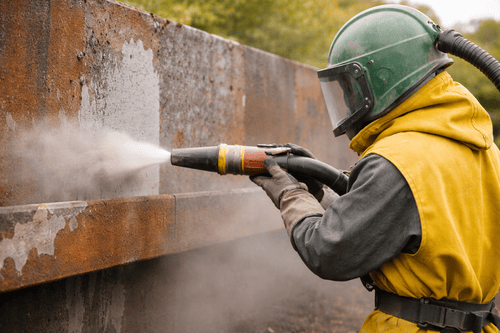
Abrasive blasting is a process where fine materials such as sand, garnet, or other media are propelled at high speed onto a surface. This action removes layers like rust, paint, or residue without damaging the underlying structure when done correctly.
Different surfaces require different approaches. A steel beam may need a more aggressive treatment to remove corrosion, while a brick wall may require a gentler method to avoid unnecessary wear. The technique can be adjusted based on the material, the condition of the surface, and the intended outcome.
When exploring professional options like Abrasive Blasting Doncaster, it becomes clear that the process is not one-size-fits-all. It is tailored to suit each job, which is part of what makes it so effective.
Why Surface Preparation Matters
One of the most common reasons for using abrasive blasting is surface preparation. Before applying new coatings or treatments, the surface needs to be clean and free from contaminants. Otherwise, new layers may not adhere properly, leading to peeling or premature wear.
This is especially relevant in industrial settings where durability is critical. Equipment, structural steel, and machinery often rely on strong coatings to withstand harsh conditions. Proper preparation helps those coatings perform as intended.
Even in residential settings, preparation plays a key role. Whether repainting a fence or restoring outdoor features, a clean surface may lead to a more even finish and longer-lasting results.
Common Applications in Doncaster
In areas like Doncaster, abrasive blasting is used across a range of applications. Construction projects often rely on it to prepare steel and concrete surfaces. Automotive restoration uses similar techniques to remove old paint and rust from vehicle parts. It is also commonly used in property maintenance, particularly for removing graffiti or restoring aged surfaces.
Each of these applications requires a slightly different approach, but the goal remains the same. The aim is to create a clean, stable surface that is ready for the next stage of work.
For those considering local providers such as Blast Off Doncaster Services, the variety of use cases often highlights just how versatile abrasive blasting can be.
Choosing the Right Blasting Method
Not all blasting methods are identical. The choice of media and technique depends on the surface and the desired finish. For example, softer materials may be used for delicate surfaces, while harder abrasives are chosen for tougher jobs.
Wet blasting is another variation that reduces dust and may be better suited for certain environments. It combines water with the abrasive material, helping to control airborne particles and improve visibility during the process.
Selecting the right method is not always straightforward. It often involves assessing the condition of the surface, the surrounding environment, and the final outcome required. This is where experience and technical knowledge become valuable.
Safety and Environmental Considerations
Abrasive blasting involves high-pressure equipment and airborne materials, which means safety is an important part of the process. Protective gear, controlled environments, and proper handling of materials all contribute to a safe working setup.
Environmental considerations are also becoming more prominent. Dust control, waste management, and the choice of eco-friendly materials may all play a role in how a project is carried out.
Modern practices often aim to reduce environmental impact while maintaining effectiveness. This balance helps ensure that the process is both responsible and efficient.
Benefits of Professional Surface Blasting
While it may be tempting to view abrasive blasting as a straightforward task, achieving consistent results requires the right equipment and expertise. Professional services are able to adjust pressure levels, select appropriate materials, and handle different surfaces with care.
This level of control may lead to better outcomes, particularly for larger or more complex projects. It also reduces the risk of damage, which can occur if the process is not handled correctly.
Working with specialists such as Doncaster Surface Blasting may provide reassurance that the job is carried out with attention to detail and an understanding of the materials involved.
Long Term Value and Maintenance
One of the advantages of abrasive blasting is its contribution to long-term maintenance. By properly preparing a surface, it helps ensure that coatings and finishes last longer. This may reduce the need for frequent repairs or reapplication.
In industrial settings, this can translate to lower downtime and improved performance of equipment. In residential or commercial properties, it may help maintain appearance and structural integrity.
Rather than treating it as a one-off solution, many property owners see abrasive blasting as part of a broader maintenance strategy.
When It Makes Sense to Consider Blasting
There are several situations where abrasive blasting may be worth considering. Surfaces that show signs of rust, peeling paint, or heavy contamination are often good candidates. It is also useful when preparing for repainting or applying protective coatings.
Older structures may benefit from restoration work, particularly when original materials are still in good condition beneath surface layers. In these cases, blasting can reveal the underlying structure and provide a clean starting point.
Understanding when to use this method often comes down to recognising the condition of the surface and the desired outcome.
Final Thoughts
Surfaces naturally wear down over time, but that does not always mean they need to be replaced. In many cases, restoration is a practical and effective alternative. Abrasive Blasting Doncaster services offer a way to remove unwanted layers, prepare materials for new finishes, and extend the life of existing structures.
By choosing the right approach and working with experienced professionals, it is possible to achieve results that are both durable and visually consistent. Whether for industrial, commercial, or residential use, abrasive blasting remains a valuable tool in maintaining and restoring a wide range of surfaces.
Tags : Abrasive Blasting Doncaster