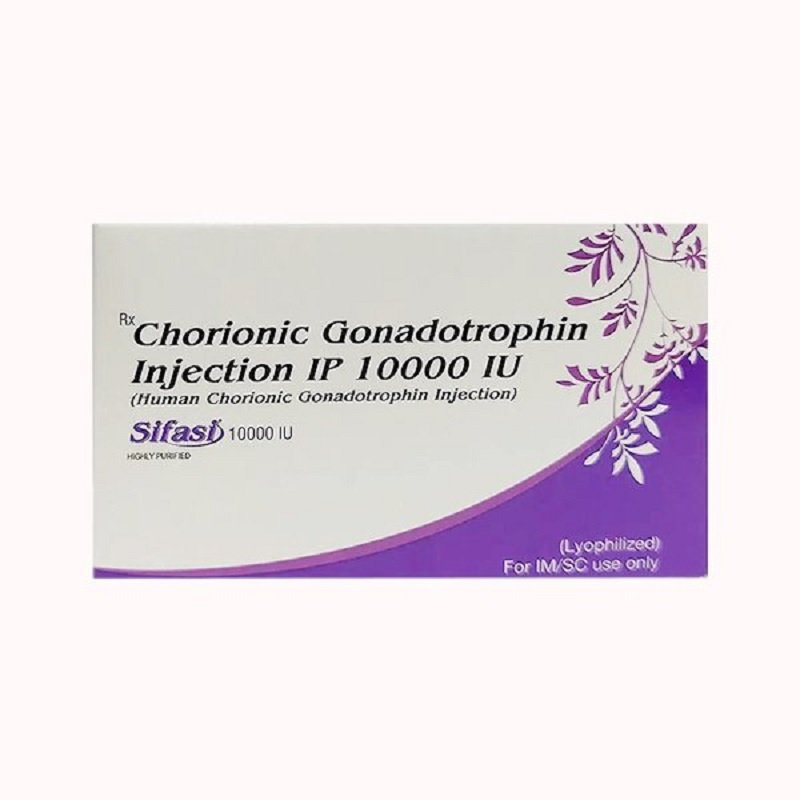
When doctors talk about hormone-based fertility support, one name that often comes up is HCG 10000IU Injection. It’s widely used in both male and female fertility treatment plans and is also prescribed for certain hormonal conditions. While many people hear about it during IVF or reproductive care, not everyone understands how it actually works or why it’s recommended.
This injection contains Human Chorionic Gonadotropin (HCG), a hormone that plays a major role in reproductive health. In women, it helps trigger ovulation. In men, it may support testosterone production and sperm development. Because of these functions, HCG treatment has become a trusted part of several medical protocols.
People considering fertility support or hormonal therapy often want clear and practical information before starting treatment. Understanding the basics of HCG 10000IU Injection can make the process less confusing and help patients feel more prepared.
What Is HCG 10000IU Injection?
HCG stands for Human Chorionic Gonadotropin, a hormone naturally produced during pregnancy. In medicine, synthetic or purified versions of this hormone are used for therapeutic purposes.
The “10000IU” refers to the strength or dosage of the injection. Doctors may prescribe it in different treatment plans depending on the patient’s condition and hormone levels.
In women, HCG is mainly used to:
- Support ovulation
- Assist fertility treatments
- Improve egg release timing
- Help with assisted reproductive procedures
In men, it may help:
- Stimulate testosterone production
- Treat delayed puberty
- Improve sperm count in some cases
- Support hormonal balance
Since every patient responds differently, the dosage and schedule are usually customized by a healthcare professional.
How HCG Treatment Works in the Body
The reason HCG 10000IU Injection is effective is because it behaves similarly to luteinizing hormone (LH), which is naturally produced in the body.
For women, this hormone helps mature eggs release from the ovary during ovulation. In fertility treatments, timing matters a lot. Doctors often use HCG injections to trigger ovulation at the right moment for procedures like IVF or IUI.
In men, HCG can signal the testes to produce testosterone. This process may improve hormonal function and support fertility in some individuals.
What makes HCG treatment unique is that it works with the body’s existing hormonal system instead of replacing it entirely.
Why Doctors Prescribe HCG 10000IU Injection
There are several medical reasons why healthcare providers recommend HCG therapy. The most common use is fertility support, but it’s not limited to that alone.
Female Fertility Support
Women struggling with ovulation issues may receive HCG injections during fertility treatment cycles. The injection helps release mature eggs and improves the chances of conception when timed properly.
Male Hormonal Health
Men with low testosterone linked to hormonal imbalance may benefit from HCG-based therapy. It’s sometimes used when maintaining fertility is also important.
Assisted Reproductive Treatments
HCG is commonly included in IVF protocols because precise ovulation timing increases treatment success rates.
Certain Medical Conditions
In some cases, doctors may use HCG treatment for delayed puberty or reproductive hormone disorders.
Patients looking for genuine medication sources often explore options for HCG 10000IU Injection through trusted pharmaceutical suppliers and online healthcare platforms during treatment planning.
Things to Know Before Using HCG Injections
Like any hormone-based medication, HCG should only be used under medical supervision. Self-medication or incorrect dosing can affect hormone balance and overall treatment outcomes.
A doctor may recommend blood tests, hormone monitoring, or fertility evaluations before starting therapy.
Some common points patients should keep in mind include:
- Follow the prescribed dosage carefully
- Store the injection properly
- Never skip medical follow-ups
- Inform your doctor about existing medical conditions
- Discuss possible medication interactions
Patients should also understand that results may vary. Some individuals respond quickly, while others may require longer treatment cycles.
Possible Side Effects and Precautions
Most people tolerate HCG treatment well when used correctly, but mild side effects can happen.
These may include:
- Injection site discomfort
- Headache
- Mood changes
- Mild swelling
- Fatigue
In women undergoing fertility treatment, doctors also monitor for ovarian hyperstimulation syndrome (OHSS), which can occur in rare cases.
Any unusual symptoms should be reported to a healthcare provider immediately. Medical supervision is especially important with hormone-related medications because individual health conditions can influence treatment response.
Choosing a Reliable Source for HCG Medication
Quality matters when it comes to injectable medications. Patients should always purchase medications from licensed and verified pharmacies or healthcare providers.
Counterfeit or improperly stored hormone products can reduce effectiveness and may create serious health risks. That’s why many people prefer trusted pharmaceutical platforms that specialize in fertility and hormone-related medications.
Checking product authenticity, storage standards, and pharmacy reputation can make a significant difference in treatment safety.
Final Thoughts
HCG 10000IU Injection continues to play an important role in fertility support and hormone-related treatments. Whether it’s used for ovulation induction, testosterone support, or reproductive therapy, the injection is commonly prescribed because of its targeted hormonal action.
Anyone considering this treatment should work closely with a qualified healthcare provider to understand the proper dosage, expected outcomes, and possible side effects. A well-planned treatment approach, along with genuine medication sources, can help patients move forward with greater confidence and clarity.
Tags : HCG 10000IU Injection