Hastelloy C276 Forged Fittings vs SS Forged Fittings: Which is Better?
By Sakshi Patil 25-08-2026 58
Selecting the correct forged fitting material determines the operational lifespan of industrial piping systems. Engineers and project managers face a direct choice between standard stainless steel and advanced nickel alloys. Both metals operate successfully under specific conditions. They offer distinct physical limits based on chemical exposure and fluid temperature. Evaluating Hastelloy C276 Forged Fittings alongside common stainless steel options clarifies the exact performance boundaries of each material. This comparison gives buyers specific data on corrosion resistance, structural strength, temperature stability, and overall lifecycle costs. The final engineering decision dictates maintenance frequency across heavy applications. Facilities avoid catastrophic line failures by matching the exact metal grade to their process environment.
Understanding Hastelloy C276 Forged Fittings and SS Fittings
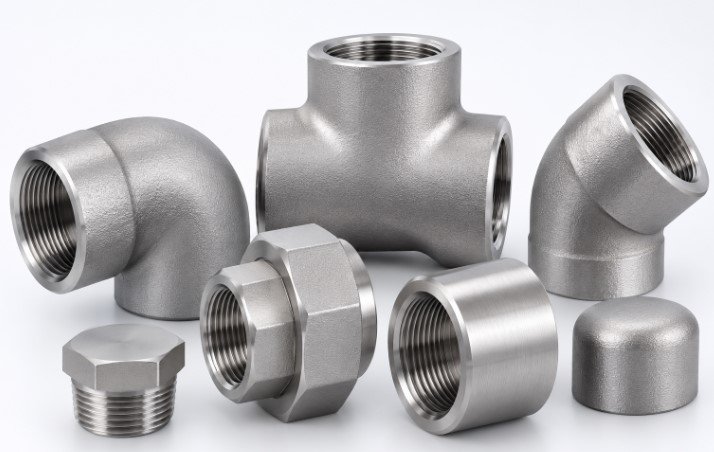
Forged fittings connect, branch, or terminate high-pressure piping networks. Manufacturing involves heating and shaping solid metal blocks to create components with highly aligned internal grain structures. Common forged fitting types include elbows, tees, couplings, unions, bushings, and plugs. These parts handle extreme mechanical stress better than standard cast alternatives. Solid forging removes internal voids. Hastelloy C276 operates as a highly specialized nickel-molybdenum-chromium superalloy. The metal contains a deliberate addition of tungsten. It survives severe chemical processing environments where basic metals fail rapidly. The alloy resists early degradation even under constant exposure to harsh industrial acids and unstable compounds.
Most industrial operations rely primarily on grades 304, 316, and 316L for SS Forged Fittings. These austenitic stainless steels contain specific ratios of iron, chromium, and elemental nickel. They serve as the baseline material for moisture-heavy industrial operations. Grade 316 adds a small volume of molybdenum to handle mild chlorides. General manufacturing networks depend heavily on standard stainless steel for basic fluid transfer. The material forms a protective passive layer in normal oxygen environments. Heavy chemical sectors shift toward Alloy C276 Forged Fittings to prevent rapid pipe degradation. The baseline steel grades cannot survive prolonged contact with concentrated raw chemicals.
Material Composition Comparison
Chemical composition directly controls mechanical stability and environmental tolerance. Hastelloy C276 features a massive nickel content base of roughly 57 percent. This heavy nickel foundation stops stress corrosion cracking entirely. The metal includes 15 to 17 percent molybdenum and up to 16 percent chromium. Molybdenum prevents localized attacks in stagnant fluid zones. A minimal iron content limits susceptibility to standard atmospheric oxidation.
The metallurgical process is entirely different in the case of stainless steel, compared to nickel superalloys. Grade 316 contains 16-18% chromium and 10-14% Nickel and is largely iron. This surface chromium layer forms an oxide film of passivity to prevent basic corrosion. Grade 316 has a moderate amount of molybdenum (2%) to provide some resistance to localized corrosion. In mixed acid environments, Hastelloy has the ability to resist corrosion due to its high amounts of alloying elements.
Corrosion Resistance: Which Material Lasts Longer?
Severe chemical attacks destroy standard piping components rapidly. Corrosion Resistant Forged Fittings made from Hastelloy C276 outlast standard alloys in extreme acidic media. The material handles wet chlorine gas, hypochlorite, and strong chlorine dioxide solutions safely. It shows exceptional chemical stability in both oxidizing environments and reducing environments. Hot sulfuric acid and concentrated hydrochloric acid dissolve standard 316 stainless steel within weeks. Hastelloy components survive these aggressive fluids without severe material loss. The heavy tungsten addition stabilizes the internal metal matrix against strong oxidizers.
Basic water systems run perfectly fine on Stainless Steel Forged Fittings. They struggle immediately in aggressive chloride environments like concentrated seawater. Chlorides penetrate the passive chromium layer on standard austenitic stainless steel. This surface penetration causes rapid crevice corrosion under gaskets. Flat interior surfaces suffer from destructive pitting corrosion.
Hastelloy C276 resists these localized attacks completely due to its high molybdenum volume. Industrial setups experiencing stress corrosion cracking often replace failing stainless parts with Nickel Alloy Forged Fittings. The switch eliminates the sudden brittle failures common with lower-grade metals. Engineers specify the nickel superalloy to keep chemical production lines running without constant maintenance halts.
Strength and High Temperature Performance
Rising system temperatures reduce structural strength in standard metals. Elevated temperature stability separates basic steel alloys from specialized superalloys. Hastelloy C276 maintains physical integrity up to 1038 degrees Celsius. The alloy limits grain boundary precipitation in the weld heat-affected zone. This heat resistance allows pipefitters to use Forged Socket Weld Fittings in as-welded conditions for heavy chemical plants. Hastelloy handles extreme thermal cycling without cracking or warping under structural load. The material retains high tensile strength during sudden temperature spikes.
Systems operating below 400 degrees Celsius run safely on standard 304 or 316 components. High Pressure Forged Fittings made of stainless steel maintain industrial process reliability in general steam lines. They provide a long service life if the operating temperature remains steady and predictable. Once temperatures exceed standard structural thresholds, stainless steel loses tensile strength rapidly.
Hastelloy C276 Pipe Fittings become mandatory for high-heat reactor vessels and thermal processing units. Thermal expansion rates differ significantly between the two metals. Hastelloy exhibits lower thermal expansion under stress. This specific physical trait keeps bolted and welded connections secure during extreme high-pressure applications.
Industrial Applications Comparison
Specific physical properties determine material adoption across different sectors. Hastelloy C276 dominates heavy industrial processing environments. Chemical processing facilities use this alloy for primary acid transfer lines and reactor vessels. Fertilizer plants require it to handle concentrated phosphoric compounds safely. The pharmaceutical sector specifies these components to maintain absolute purity during aggressive sterilization cycles. Offshore platforms install them to survive constant saltwater exposure.
Desalination plants rely on Hastelloy to prevent salt-induced pitting in high-pressure pump lines. Pollution control systems use these specific fittings in hot flue gas desulfurization units. Waste treatment facilities utilize the metal for critical toxic fluid handling.
Food processing and commercial dairy operations depend entirely on 304 and 316 structural grades. The material cleans easily and prevents organic contamination buildup. Municipal water treatment facilities use stainless parts for large filtration piping networks. Architecture incorporates these fittings for structural load and aesthetics. Oil and gas surface operations use standard stainless components for secondary fluid transfer. Conventional power plants install them for cooling water lines. HVAC systems and large commercial piping networks rely heavily on Forged Threaded Fittings made of stainless steel for secure mechanical connections.
How to Choose the Right Forged Fittings
Operating temperature and precise working pressure dictate the required component bulk. Chemical exposure dictates the precise metal grade needed. Planners must evaluate the exact installation environment before purchasing piping parts. High ambient moisture or coastal salt air degrades basic steel rapidly. Industrial Forged Fittings require proper matching to the surrounding atmospheric conditions. Ignoring external corrosion factors leads to external thread failure.
Engineers must balance the ongoing maintenance frequency against the initial purchase cost. Expected lifespan requirements push long-term projects toward higher-grade materials. Strict industry standards dictate minimum material grades for specific chemical handling lines. Planners follow documented project specifications rather than chasing lower upfront material costs. Tight budget constraints tempt buyers to downgrade to standard stainless steel unexpectedly. This financial shortcut causes early system failure in harsh processing environments. Evaluating the actual fluid chemistry ensures long-term system stability. Fluid velocity impacts material wear rates inside the pipe. High-velocity acidic fluids require the harder surface density of a nickel alloy.
Conclusion
Matching the exact material to the process environment prevents early system failures. Standard stainless steel components perform perfectly well in food processing, basic water transfer, and general manufacturing lines. Severe chemical environments require a completely different metallurgical approach. Upgrading to higher nickel alloys prevents sudden mechanical failures in highly acidic and high-heat conditions. System designers must align the selected fitting material directly with the fluid chemistry. Suppliers like Aesteiron Steels provide precise component specifications to help facilities avoid costly downtime. Proper alloy selection secures the pipeline and extends operational facility life.