Hair fall can become a frustrating part of everyday grooming. With so many hair oils available today, it is easy to choose a product based only on advertising or a popular ingredient. A better approach is to understand your scalp, hair condition, and the kind of routine you can maintain.
Men looking for an anti hair fall oil for men should consider more than the product name. The formula, ingredients, texture, and intended use can all influence whether an oil feels suitable for regular hair care.
Key Takeaways
- Understand your main hair concern before choosing an oil.
- Consider your scalp type and hair texture.
- Read the complete ingredient list.
- Do not confuse hair fall with hair breakage.
- Use a moderate amount of oil.
- Keep your routine simple and consistent.
- Avoid unrealistic expectations from cosmetic hair products.
- Seek professional advice for persistent or unusual hair loss.
First Understand What Your Hair Needs
Not every hair concern is the same. Some men notice more strands falling from the scalp, while others mainly deal with dryness, frizz, or breakage.
Before choosing an oil, think about your most noticeable concern. If your hair feels dry and rough, nourishment may be your priority. If your scalp becomes oily quickly, you may prefer a lighter formula.
This simple step can prevent you from choosing an oil that does not suit your routine.
Your Scalp Type Matters
The condition of your scalp can affect how often you want to use hair oil.
An oily scalp may feel heavy after applying a large amount of oil. In this case, using a smaller quantity can make the routine easier.
A dry scalp or dry hair may feel more comfortable with a nourishing oiling routine. However, the oil should still be applied gently rather than rubbed aggressively.
If you are unsure about your scalp type, observe how it feels a day or two after washing. This can give you a better idea of whether it tends to become oily, dry, or balanced.
Read the Ingredients Carefully
Instead of focusing only on words such as “growth” or “hair fall,” take a look at the actual ingredients.
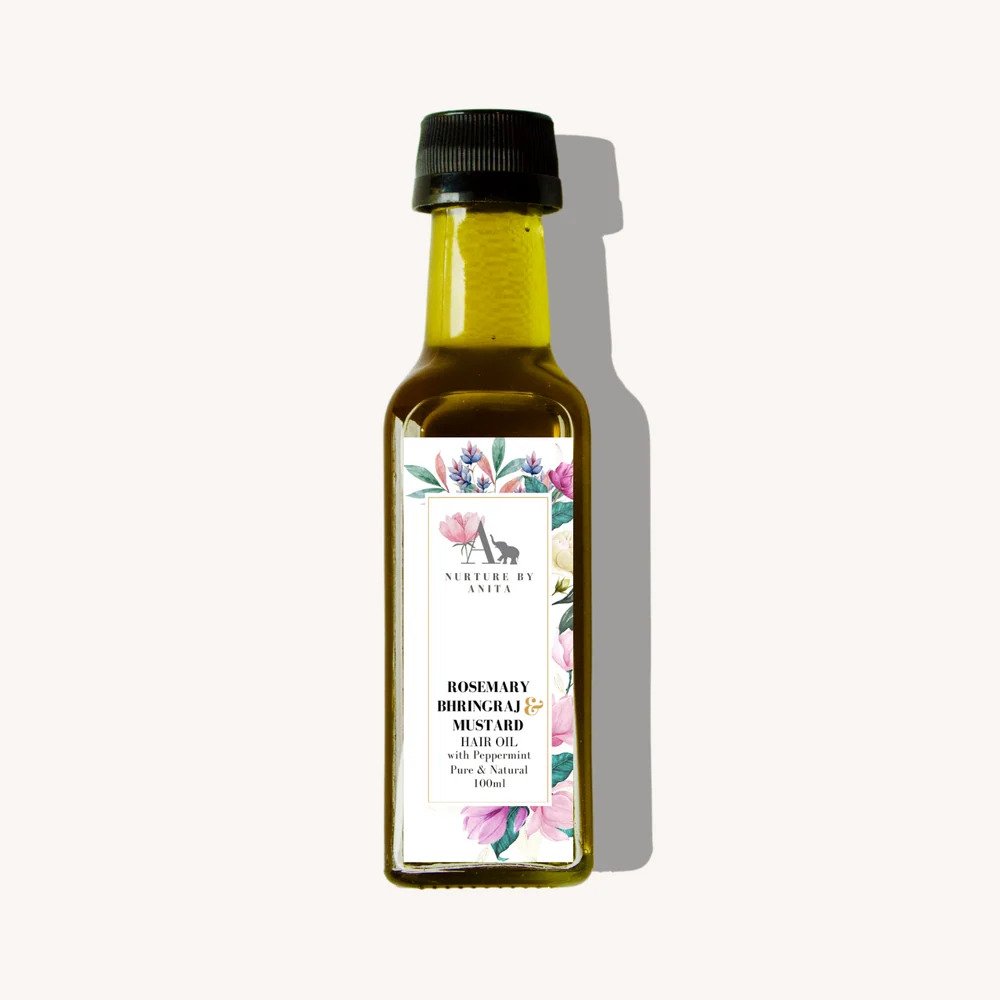
Botanical ingredients are commonly used in traditional and modern hair-care products. Hibiscus, rosemary, bhringraj, coconut, sesame, mustard, and castor oil are some examples.
For people interested in hibiscus hair oil, the ingredient may be appealing because hibiscus has a long history in traditional Indian hair-care practices.
The complete formulation still matters, though. One ingredient alone does not determine whether a product will suit your hair.
Hair Fall Is Not Always Hair Breakage
This difference is worth understanding before choosing a product.
Hair fall means hair is coming away from the scalp. Breakage happens when the hair shaft snaps, often leaving shorter or uneven strands.
Dryness, frequent heat styling, chemical treatments, rough brushing, and tight hairstyles can contribute to breakage.
If breakage is your main concern, an oiling routine should be combined with gentle handling and suitable conditioning. Simply changing from one oil to another may not solve the underlying hair-care issue.
Think About Your Hair Texture
Hair texture can also influence which oil feels comfortable.
Fine hair can become weighed down easily, particularly when too much oil is used. Thicker or coarse hair may tolerate a richer formula more comfortably.
For dry or frizzy hair, a small amount of oil on the lengths can complement a conditioning routine.
There is no need to copy another person's hair-care routine. Your own hair's response is a better guide.
What Makes an Anti Hair Loss Oil Worth Considering?
When comparing an anti hair loss oil, look for a product with clearly listed ingredients and a purpose that matches your needs.
You can consider:
- Your scalp type
- Your hair texture
- The oil's consistency
- The botanical ingredients included
- How easily it washes out
- Whether it fits your regular routine
- Whether the product makes realistic claims
A product that you can comfortably use as part of your routine is generally more practical than one you buy because of a dramatic marketing claim.
How Should Men Apply Hair Oil?
Hair oiling does not have to be complicated.
Start with a moderate amount and gently apply it to the scalp using your fingertips. Avoid scratching or applying excessive pressure.
If your hair lengths are dry, distribute a small amount through them. You can then leave the oil on for a suitable period before washing.
Using a large amount of oil can make shampooing difficult and may leave the hair feeling unnecessarily heavy.
How Often Should Hair Oil Be Used?
There is no single schedule that works for every man.
Once a week can be a simple starting point. Men with dry hair may prefer a different frequency, while those with an oily scalp may find less frequent oiling more comfortable.
The important thing is to observe your hair after washing. If it feels clean, comfortable, and manageable, your routine may be working well for you.
Do Not Ignore the Rest of Your Hair-Care Routine
Hair oil is only one part of everyday hair care.
Other habits matter too. Use a suitable shampoo, condition the hair when needed, detangle gently, and avoid unnecessary heat styling. If your hair is already dry or fragile, rough towel drying and aggressive brushing can make breakage worse.
A simple routine is often easier to maintain than using several products without understanding what each one does.
Common Mistakes Men Make When Choosing Hair Oil
A few mistakes are easy to avoid.
Choosing only by popularity: A popular product may not suit your hair type.
Using too much oil: More product does not automatically mean better care.
Ignoring the scalp: Your scalp condition should influence your choice.
Expecting instant results: Hair care generally requires patience and consistency.
Changing products too often: Give yourself enough time to understand how your hair responds.
Ignoring breakage: Not every short or fallen strand has the same cause.
When Should You Look Beyond Hair Oil?
Hair oil can be part of a cosmetic hair-care routine, but it should not be treated as a guaranteed solution for every type of hair loss.
If hair loss is sudden, excessive, persistent, or accompanied by scalp changes, it is better to speak with a qualified healthcare professional. Understanding the possible cause is more useful than repeatedly changing hair oils.
Conclusion
Choosing an anti hair fall oil for men does not have to be complicated. Start by understanding your scalp and hair, then look at the ingredients and formula instead of relying only on marketing claims.
Botanical options such as hibiscus can be part of a regular hair-care routine, while other ingredients may suit different preferences and hair types. The most practical approach is to choose an oil that fits your needs, use it consistently, and support it with gentle everyday hair-care habits.
Frequently Asked Questions
What should men look for in an anti hair fall oil?
Consider your scalp type, hair texture, ingredients, oil consistency, and whether the product fits comfortably into your regular routine.
Can men use hibiscus hair oil?
Yes. Hibiscus hair oil can be included in a botanical hair-care routine. Its suitability depends on the overall formulation and your individual hair and scalp needs.
How much hair oil should men use?
Use enough to lightly cover the scalp and hair rather than soaking it. The amount depends on hair length, thickness, and scalp type.
Is hair fall the same as hair breakage?
No. Hair fall involves strands coming away from the scalp, while breakage occurs when the hair shaft snaps.
Can an anti hair loss oil guarantee hair regrowth?
No. Hair loss can have different causes, and cosmetic hair oils cannot guarantee regrowth for every person.