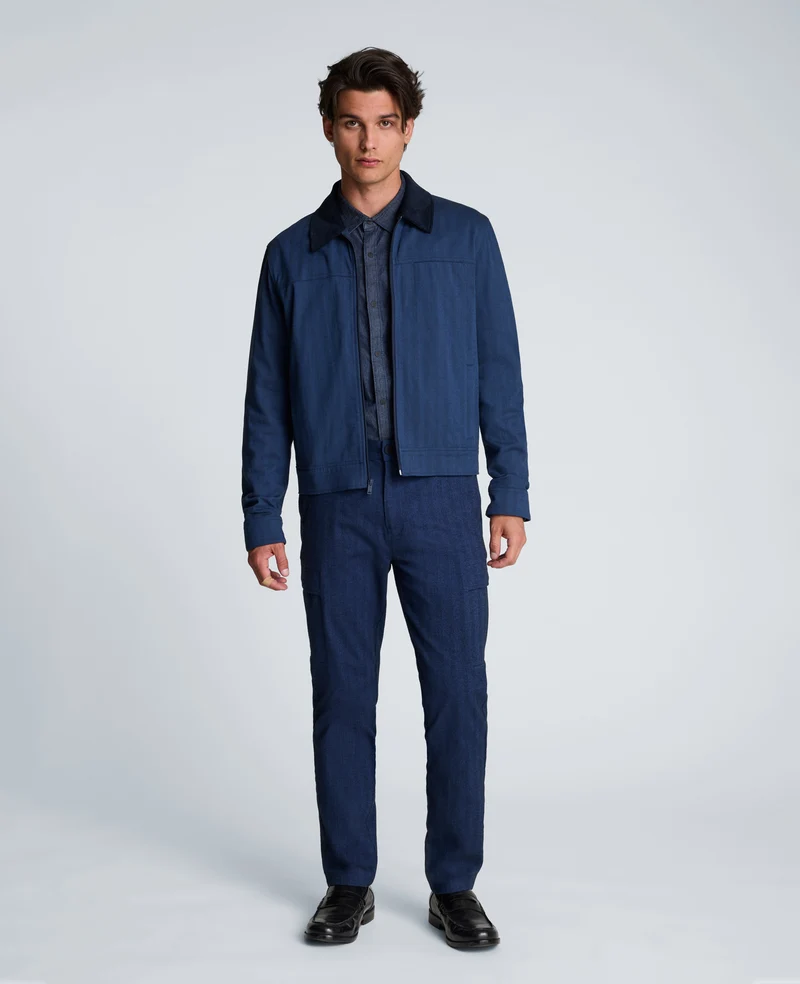
What separates men who dress confidently from those who perpetually lag behind the style curve? The answer lies not in spending more money, but in understanding how fashion trends develop and learning to anticipate shifts before they become mainstream. The men's fashion landscape evolves constantly, influenced by runway shows, street style, celebrity choices, and cultural movements. By recognizing emerging patterns and understanding the mechanics of trend development, you can build a wardrobe that feels fresh and relevant without chasing every fleeting fad that appears online.
Understanding How Trends Emerge
Fashion trends rarely appear overnight in men's clothing. Instead, they typically develop through a predictable cycle that begins in high-fashion spaces and gradually filters down to everyday wear. Designers present new silhouettes, colors, and materials on luxury runways, where fashion editors and influencers take notice and begin incorporating these elements into their personal style. Street style photographers capture these outfits and share them across media platforms, creating visibility and desirability. Simultaneously, mid-range retailers begin producing affordable versions of these looks, making them accessible to a broader audience. Understanding this progression allows you to identify trends early, when they still feel fresh, rather than waiting until they appear in every mainstream retail store.
Building a Foundation with Timeless Pieces
Staying ahead of trends requires a paradoxical approach: you must balance exploring emerging styles with investing in classic pieces that transcend seasonal fluctuations. A well-constructed dark denim, a versatile oxford button-down shirt, and a quality neutral sweater remain relevant regardless of what else is happening in fashion. These foundational items serve as anchors for your wardrobe, allowing you to experiment with trendier pieces without the entire outfit feeling dated. When building out a refined wardrobe, shoppers focused on quality and style rely on men's apparel that bridges timeless design with contemporary updates, ensuring core pieces stay relevant season after season. The most stylish men recognize that trends complement classics rather than replace them.
Recognizing Color and Silhouette Shifts
Two primary elements signal emerging trends in men's fashion: color palettes and garment silhouettes. Pay attention to which colors dominate fashion weeks, celebrity red carpets, and style blogs over consecutive seasons. For example, if earthy tones like terracotta and sage green appear repeatedly across multiple sources, these colors will likely move into broader retail availability within months. Simultaneously, observe how silhouettes are changing, noting whether shoulders are becoming broader or narrower, whether pants are trending more tapered or relaxed, and whether shirt lengths are shifting shorter or longer. When you notice consistent patterns across multiple fashion weeks and street style platforms, you are witnessing a trend in its early stages. Incorporating these elements before they flood retail shelves positions you as someone with genuine style awareness.
Leveraging Digital Resources and Communities
Modern men have unprecedented access to fashion information through digital platforms. Fashion blogs, YouTube style channels, and Instagram accounts dedicated to men's fashion provide real-time updates on what stylish men worldwide are wearing. Following these resources exposes you to trends organically as they develop, rather than waiting for information to trickle down to mainstream media. Engage with communities where fashion enthusiasts discuss emerging trends and share outfit combinations, such as online forums and subreddits dedicated to men's fashion, which offer honest feedback from people actively paying attention to style evolution. Consume this information thoughtfully, recognizing that not every trend applies to your personal style, lifestyle, or body type. The goal is informed awareness, not blind following.
Developing Your Personal Style Filter
Not every trend belongs in your wardrobe, and understanding this distinction separates stylish men from those who simply look fashionable. Consider how each emerging trend aligns with your professional environment, lifestyle, and personal preferences. A streetwear trend that works beautifully for a creative professional might look entirely out of place in a conservative corporate setting, and a trend that flatters certain body types or skin tones might not serve everyone equally well. Develop a personal style philosophy by asking whether each trend enhances your existing wardrobe or demands a complete overhaul, and whether you genuinely like the trend or simply feel pressured to adopt it because it is visible online. The most ahead-of-the-curve men adapt emerging trends to fit their authentic style rather than contorting their identity to match fashion dictates.
Conclusion
Getting ahead of fashion trends requires a combination of awareness, foundation building, and authentic personal judgment. By understanding how trends develop and travel through fashion cycles, you can identify emerging styles while they still feel novel rather than playing catch-up months later. Investing in classic basics provides the foundation for experimenting with trendy pieces confidently, while actively observing color palettes and silhouette shifts across fashion media helps you recognize patterns before they become ubiquitous. Engaging with digital fashion communities keeps you informed without overwhelming you with information. Men who dress well ahead of the curve do not follow trends blindly; they understand them, adapt them, and make them their own.
Tags : men's apparel