Geo-Bio Synergy: How Thermal and Hydraulic Innovations Are Transforming Septic Tank Cleaning, Repair, and Service Effici
By Donaven’s Septic and Plumbing . 02-03-2026 105
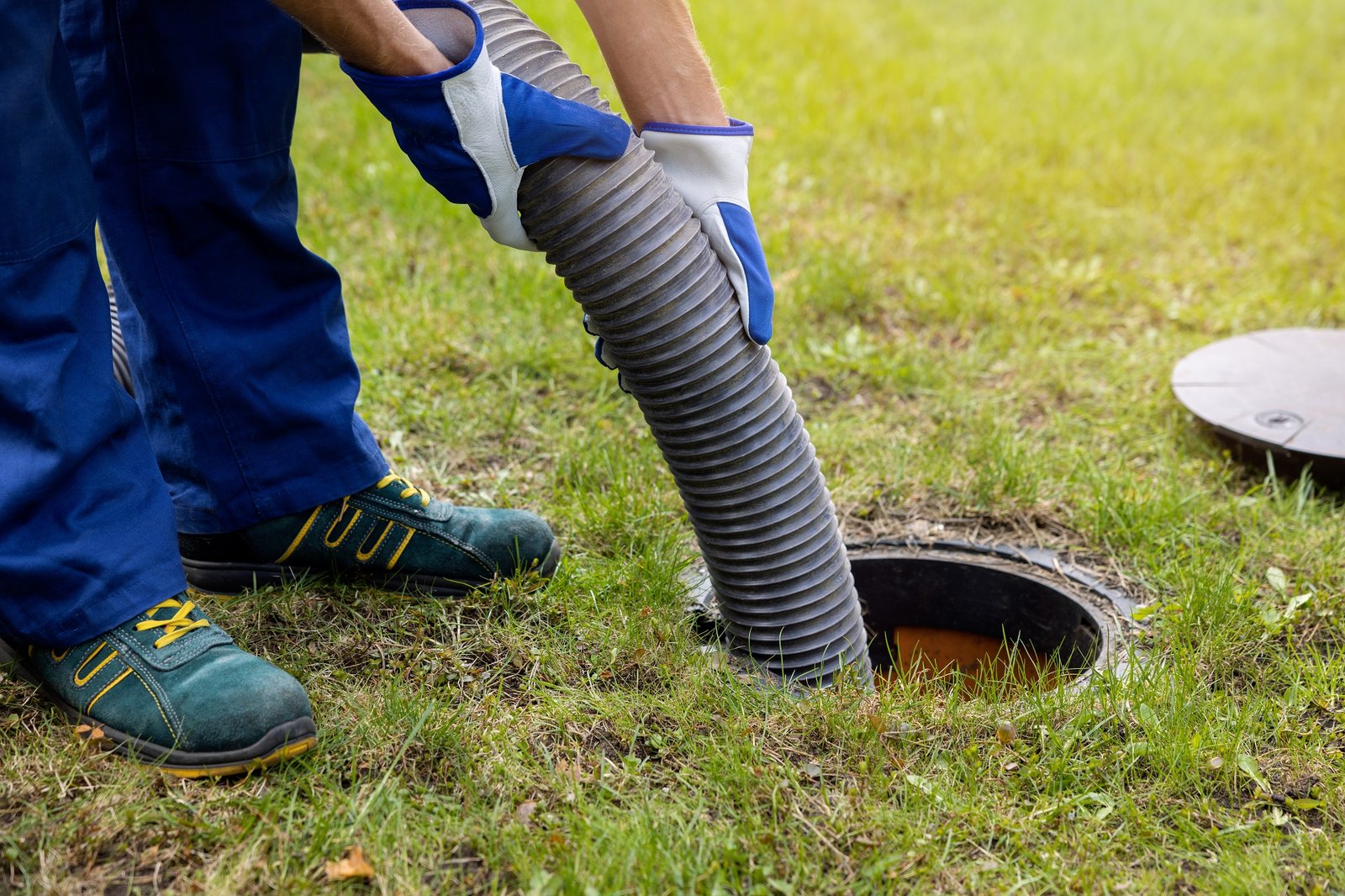
For decades, septic systems have relied on gravity, bacteria, and periodic pumping to keep household wastewater safely processed underground. But in a world moving toward smart infrastructure and environmental efficiency, the age-old septic system is being reimagined through geo-biological engineering — an advanced integration of geothermal science, biohydraulic design, and microbial control.
This new scientific approach doesn’t just focus on septic tank cleaning or repair — it transforms the system into a dynamic thermal-biological ecosystem that regulates itself, cleans more efficiently, and sustains long-term performance with minimal maintenance.
Let’s explore how the synergy of heat, pressure, and biology is rewriting the future of septic tank service.
1. The Science Behind Geo-Bio Septic Systems
Traditional septic tanks operate passively, relying on anaerobic bacteria to decompose organic matter. However, these systems are vulnerable to temperature fluctuations, hydraulic overloads, and microbial imbalances.
Enter Geo-Bio Septic Systems — a next-generation concept that merges:
- Geothermal regulation, maintaining optimal temperatures for bacterial efficiency
- Biohydraulic flow control, improving waste movement and sedimentation
- Smart microbial inoculation, sustaining a stable bacterial community
This combined approach ensures that septic tank cleaning and repair needs are drastically reduced, as the system achieves a self-optimizing balance of biological and mechanical efficiency.
2. Geothermal Heat: The Hidden Power Beneath Septic Tanks
Microbial decomposition efficiency increases exponentially between 30–38°C — but in most climates, septic tanks operate below 25°C, reducing bacterial metabolism and leading to sludge buildup.
Recent studies in wastewater science have shown that geothermal heat exchange loops can maintain stable internal temperatures by capturing natural subsurface heat. This process:
- Accelerates organic matter breakdown
- Reduces scum and sludge formation
- Lowers frequency of septic tank cleaning
- Enhances microbial activity even in cold regions
The thermal stability also minimizes freeze damage, a leading cause of septic system repair in colder climates. In short — geothermal integration transforms the tank from a passive digester into an active biothermal reactor.
3. Hydraulic Precision: Re-Engineering the Flow
Most septic failures occur due to hydraulic overload — when water inflow exceeds the tank’s treatment capacity. This leads to backflow, solid accumulation, and drain field flooding.
Modern biohydraulic design solves this by introducing pressure-balanced inflow regulators and smart distribution manifolds that evenly disperse effluent based on sensor feedback.
Key innovations include:
- Self-adjusting valves that respond to daily water use
- Micro-aeration zones that encourage aerobic digestion near inlet regions
- Hydraulic pulsation controllers that prevent clogging in the outlet pipe
These systems allow the tank to “breathe,” balancing biological and hydraulic forces — making septic system service more about monitoring than manual intervention.
4. Smart Microbial Ecosystem: Beyond Traditional Additives
Conventional septic tank additives often include generic bacterial blends that provide only short-term relief. The new frontier involves genetically profiled microbial ecosystems — specialized consortia tailored to each household’s waste composition.
Imagine a system that automatically dispenses microbial formulations calibrated for:
- High-protein diets (more proteolytic bacteria)
- Heavy detergent use (surfactant-resistant microbes)
- Organic-rich effluents (enzymatic decomposers)
Paired with geothermal stability and hydraulic balance, this custom microbiome sustains continuous digestion, reduces odor, and drastically cuts down on septic tank cleaning frequency.
This scientific synergy between microbiology and thermodynamics has made septic system repair a predictable, data-driven process instead of an emergency response.
5. Predictive Septic Intelligence: AI Meets Geothermal Data
With the integration of geothermal loops and hydraulic sensors comes an unexpected innovation — AI-driven septic analytics.
By collecting data from:
- Temperature sensors
- Flow meters
- pH and BOD (Biochemical Oxygen Demand) sensors
- Microbial activity monitors
AI algorithms can forecast system health, sludge buildup, and even potential leak risks weeks before a visible problem emerges.
Homeowners receive real-time alerts via mobile apps, while septic service providers can perform targeted cleanings or precision repairs — reducing cost, time, and waste.
This marks the dawn of Predictive Septic Maintenance, an advanced evolution beyond routine service schedules.
6. Environmental Benefits: From Waste Management to Resource Recovery
Geo-biological septic systems are not just efficient — they’re sustainable. By integrating geothermal energy and microbial recycling, these systems can:
- Reduce methane emissions by up to 40%
- Recover bioheat for small-scale heating applications
- Convert sludge into biogas or nutrient-rich compost
- Reuse treated effluent for irrigation
Instead of being an underground burden, the septic system becomes a micro-scale bioresource plant, contributing positively to local ecosystems and water conservation.
In eco-conscious regions, this is reshaping the perception of septic tank service — from waste disposal to eco-energy conversion.
7. The Future of Septic Tank Services
The septic industry, traditionally slow to evolve, is now on the brink of a green-technology revolution. Future septic system repair and cleaning services will include:
- Geo-diagnostic mapping for underground heat and pressure profiling
- Biofilm enhancement to stabilize microbial populations
- AI-based service automation, reducing manual inspection
- Zero-waste sludge recycling programs
In the coming decade, “septic tank service” will mean more than pumping and cleaning — it will involve system optimization, biological tuning, and energy recovery.
Conclusion
Septic systems are no longer just silent waste processors buried in the backyard. They are evolving into intelligent, thermal-biological ecosystems — balancing heat, microbes, and hydraulics to achieve unmatched efficiency and sustainability.
Through geothermal regulation, biohydraulic precision, and AI-driven monitoring, the future of septic tank cleaning, repair, and service lies in a seamless union of nature and technology.
Homeowners who embrace this next-generation innovation will not only save on repair costs but also contribute to a cleaner, more sustainable environment — where even wastewater systems play a role in ecological harmony.
Tags : .....