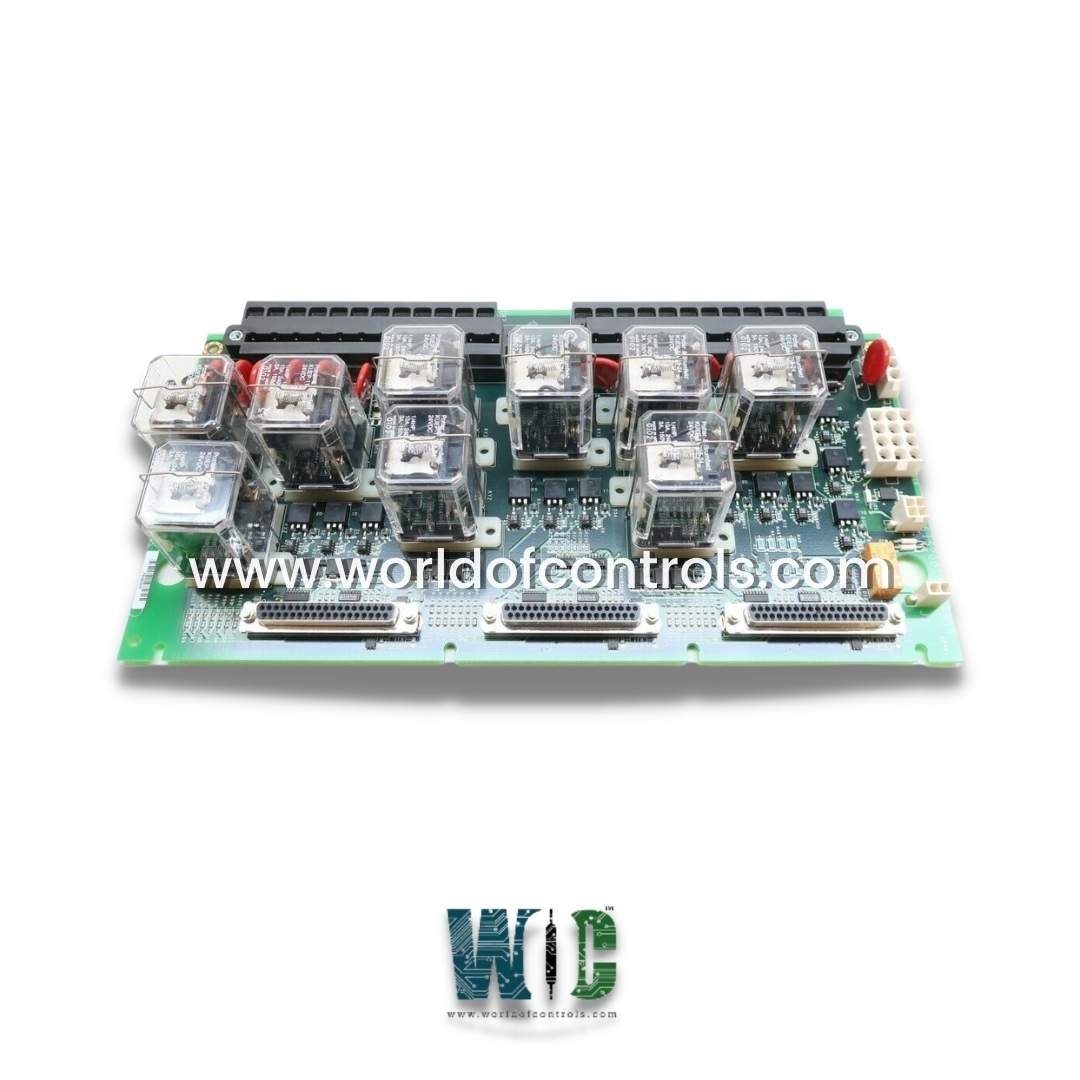
Introduction to Turbine Safety Systems
Modern gas and steam turbines operate under extreme mechanical and thermal conditions. High rotational speeds, elevated temperatures, and pressurized systems make safety a fundamental requirement rather than an option. To protect equipment, personnel, and plant operations, turbine control systems rely on dedicated protection layers. One of the most critical of these layers is the emergency trip system, designed to shut down the turbine immediately when unsafe operating conditions are detected. At the core of this protection strategy is the GE Emergency Trip Board, a vital component responsible for executing rapid and reliable shutdown actions.
Purpose of an Emergency Trip Board
The primary function of an emergency trip board is to initiate an immediate turbine shutdown when predefined fault conditions occur. These conditions may include overspeed, low lubrication pressure, excessive vibration, fire detection, or manual emergency stop activation.
Unlike normal control functions that regulate speed or load, the emergency trip board operates as a last line of defense. When a trip condition is detected, the board cuts power to critical solenoids and actuators, closing fuel or steam valves and bringing the turbine to a safe stop. This decisive action minimizes the risk of mechanical damage and ensures personnel safety.
Role Within GE Turbine Control Systems
GE turbine platforms commonly use advanced digital control architectures where control and protection functions are intentionally separated. The emergency trip board is designed to function independently from routine control logic.
This independence is essential because it ensures that even if the main controller, software, or communication network fails, the turbine can still be safely shut down. The board interfaces directly with protective sensors, trip relays, and shutdown devices, providing a direct and reliable path from fault detection to turbine isolation.
Key Functions and Operating Principles
A GE emergency trip board performs several critical functions within the protection system:
Continuous Monitoring: It receives signals from multiple protective devices and verifies trip conditions.
Relay-Based Shutdown Control: The board operates electromechanical or solid-state relays that trigger turbine trip mechanisms.
Fail-Safe Design Philosophy: In the event of power loss, wiring failure, or internal fault, the board defaults to a trip condition rather than allowing continued operation.
Electrical Noise Immunity: Designed for industrial environments, the board resists interference from vibration, heat, and electromagnetic noise.
These operating principles ensure consistent and predictable shutdown behavior under all conditions.
Importance in Turbine Safety and Reliability
Emergency trip boards are fundamental to maintaining turbine reliability and availability. By preventing overspeed events, mechanical overstress, and thermal damage, they reduce the likelihood of catastrophic failures and unplanned outages.
From an operational standpoint, a reliable emergency trip system also supports regulatory compliance and industry safety standards. Operators and maintenance teams rely on the assurance that, in an emergency, the turbine will respond instantly and correctly.
Maintenance and Lifecycle Considerations
Like all safety-critical components, emergency trip boards require regular inspection, testing, and maintenance. Over time, relays can wear, connectors may degrade, and environmental exposure can affect performance.
Routine functional testing helps verify that shutdown signals are processed correctly and that trip mechanisms respond as intended. In aging turbine systems, proactive refurbishment or replacement of emergency trip boards is often part of a broader reliability strategy.
Conclusion
The GE Emergency Trip Board plays a crucial role in turbine safety and shutdown operations. Acting as an independent, fail-safe protection layer, it ensures rapid turbine shutdown during abnormal or hazardous conditions. By safeguarding critical equipment and protecting personnel, the emergency trip board remains an indispensable component of GE turbine control systems and a cornerstone of safe, reliable power generation.
Tags : IS200TRELH1A