Full Truck Wrap Installation: What Businesses Should Know Before Ordering
By Blue Orbit 21-08-2026 54
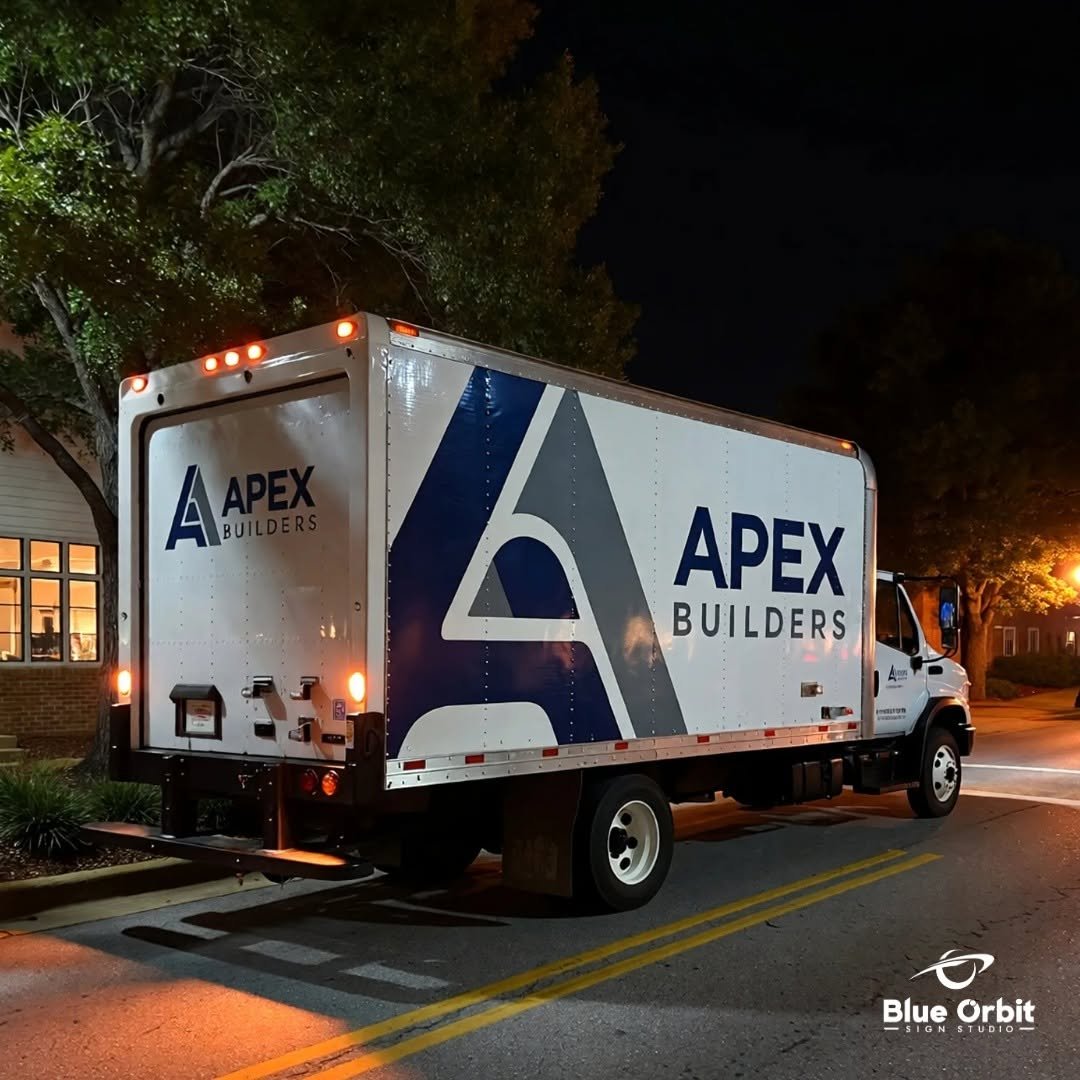
A professionally wrapped truck can do more than improve the appearance of a commercial vehicle. It can turn everyday driving into a highly visible branding opportunity, helping businesses promote their services wherever the vehicle travels. However, getting the best results from a full truck wrap installation requires more than choosing an attractive graphic. Businesses should understand the preparation, materials, design, installation process, maintenance requirements, and expected lifespan before placing an order.
What Is a Full Truck Wrap?
A full truck wrap is a professionally printed and installed vinyl covering designed to change the appearance of most or all of a truck’s exterior surfaces. Depending on the vehicle and design, the wrap can cover doors, side panels, fenders, tailgates, and other painted areas.
Unlike permanent paint, vinyl wraps can be removed when necessary, making them a flexible branding solution for company vehicles, service trucks, delivery vehicles, and fleets.
Start With the Right Design
The design is one of the most important decisions in the entire project. A truck has a different viewing environment than a storefront or website. People may see it from another vehicle, from a distance, or for only a few seconds.
An effective design should make the business name, logo, phone number, website, and primary service easy to recognize. Large, readable lettering and strong visual hierarchy are generally more useful than filling every available space with information.
Before production begins, businesses should review a digital proof and confirm spelling, contact information, colors, logos, and placement. Any required revisions should be completed before the wrap is printed.
Consider the Vinyl and Printing Quality
Not all wraps are created with the same materials or installation standards. The vinyl, laminate, printing method, and vehicle surface can all influence the finished appearance and durability.
Ask your wrap provider what type of commercial-grade vinyl is being recommended and whether a protective laminate is included. The right material should be selected according to the vehicle's use, exposure to weather, desired finish, and expected service life.
Working with an experienced wrap professional also matters because material manufacturers often have specific requirements for application and surface preparation.
Vehicle Preparation Matters
A clean, properly prepared vehicle provides a better foundation for installation. Dirt, wax, grease, road film, and other contaminants can interfere with vinyl adhesion.
Before a full truck wrap installation, the vehicle should typically be thoroughly cleaned and inspected. Areas with damaged paint, rust, peeling surfaces, dents, or other imperfections may need attention before wrapping. Vinyl conforms to the existing surface, so significant damage can remain visible underneath the finished wrap.
Businesses should also remove personal belongings and, when necessary, discuss removing accessories or components that could interfere with installation.
What Happens During Installation?
Once the artwork and vehicle are ready, trained installers carefully apply the vinyl to the truck's exterior. The process involves positioning panels, managing seams, working around curves and contours, and ensuring the material adheres smoothly without unnecessary wrinkles or bubbles.
Installation time depends on the truck's size, body style, design complexity, vinyl selection, and the condition of the vehicle. Larger commercial trucks or designs with intricate coverage can require significantly more work than simpler applications.
A professional installation is important because poor application can affect both appearance and long-term performance.
Ask About Aftercare and Maintenance
Proper maintenance helps preserve the appearance of a wrapped truck. Businesses should ask their installer for specific cleaning recommendations based on the vinyl used.
In general, regular cleaning can help remove dirt and road contaminants before they accumulate. Harsh chemicals, abrasive cleaning methods, and aggressive pressure washing techniques may damage certain wraps or their edges.
Parking in a garage or shaded area when practical can also help reduce prolonged exposure to environmental elements.
Questions to Ask Before Ordering
Before approving a project, ask the wrap company about the recommended vinyl, installation process, warranty coverage, expected lifespan, surface preparation, maintenance requirements, and removal process. It is also useful to review examples of completed company truck wraps and ask about the installer’s experience with vehicles similar to yours.
A reputable provider should be able to explain what the service includes rather than simply giving a price.
Make Your Truck Work Harder for Your Brand
A full truck wrap is a significant branding investment, so businesses should evaluate quality, design, materials, and installation expertise—not just the lowest quote. A well-planned wrap can transform an ordinary commercial vehicle into a professional mobile marketing asset that reinforces your brand throughout the service area.
By understanding the installation process and asking the right questions before ordering, businesses can make more informed decisions and achieve a cleaner, more durable, and more effective finished result.
Frequently Asked Questions About Full Truck Wrap Installation
How long does a full truck wrap installation take?
Installation time depends on the truck’s size, body style, condition, and design complexity. A professional installer can provide a more accurate timeline after inspecting the vehicle and reviewing the artwork.
How long does a full truck wrap typically last?
The lifespan of a truck wrap depends on the vinyl quality, installation, weather exposure, maintenance, and how the vehicle is stored. Using quality commercial-grade materials and following proper care instructions can help maximize its service life.
Can a truck with damaged paint be wrapped?
Minor imperfections may be manageable, but significant peeling paint, rust, deep scratches, or damaged surfaces should generally be addressed before installation. Vinyl follows the contours of the underlying surface, so existing damage may remain visible.
Is a full truck wrap better than painting?
A wrap provides businesses with greater flexibility for branding and can be removed when needed. It can also allow highly customized graphics without permanently changing the vehicle's paint. The better option depends on the vehicle, budget, branding goals, and intended use.
How should I maintain a wrapped truck?
Regular cleaning is important. Businesses should follow the vinyl manufacturer's care recommendations and avoid abrasive cleaners or cleaning techniques that could damage the graphics or edges. Professional advice is especially useful for commercial vehicles that see frequent road exposure.
Can a full truck wrap be removed?
Yes. Professionally installed vinyl can generally be removed without permanently changing the vehicle's appearance, provided the underlying paint is in suitable condition and the removal is performed correctly.
What should I look for in a truck wrap company?
Look for experience with commercial vehicles, quality vinyl materials, professional installation, strong design capabilities, transparent pricing, and clear warranty information. Reviewing completed truck wrap projects can also help you evaluate the quality of a provider's work.